





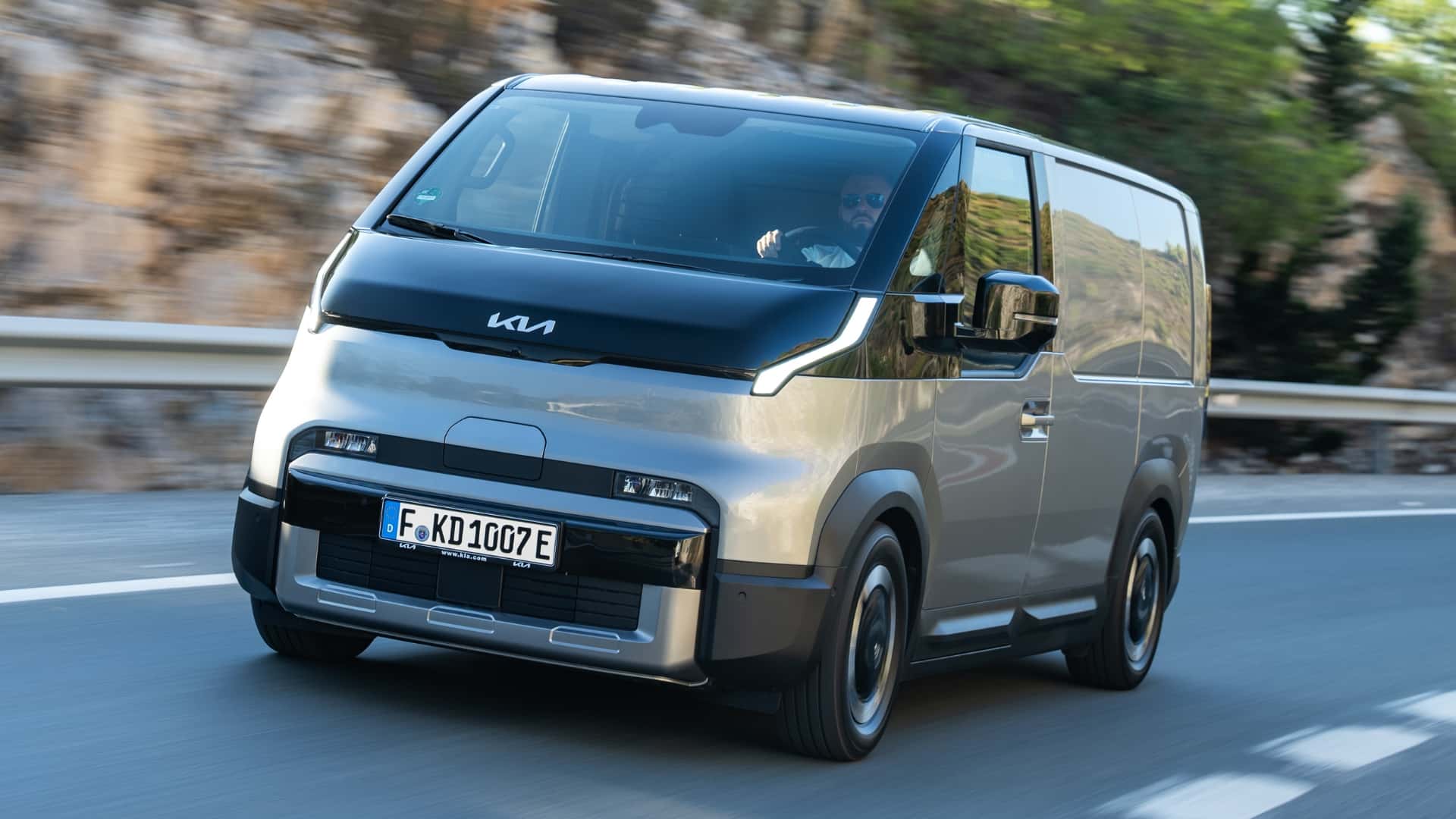
Kia’s PBV (Platform Beyond Vehicle) initiative is designed to redefine what an electric commercial vehicle can be. It’s not just about building a new van, but about creating a modular platform that can adapt to the needs of professional transport, urban logistics, and passenger mobility. At the heart of the program is the PV5, the first model in a new lineup that will later expand to include the PV7 and PV9.
Explaining the brand’s strategy, Alfonso Tallarico, Director of Ownership Experience | Aftersales, PBV, describes the project as a paradigm shift for Kia. It is built around dedicated EV platforms, integrated digital services, enhanced customer support, and a specialized network focused on business users.
The aim is to provide professionals with more than just a work vehicle, but a complete ecosystem designed to reduce operating costs, minimize downtime, and simplify day-to-day fleet management.
This story originally appeared on Motor1 Italy
Photo by: Kia
Q: What Does Kia’s PBV Initiative Really Represent?
A: It’s a very strong move from Kia. We’re not simply returning to the commercial-vehicle market with a new product, but with something much broader.
Kia doesn’t want to build just another electric van. We want to offer customers something that didn’t exist before: a platform designed from the ground up to meet the needs of professional mobility and private use alike, whether transporting people or goods.
How Important Is It That The Platform Was Designed As EV-Only From The Start?
It matters a lot. A vehicle engineered as an EV from day one allows you to use space in a completely different way than a combustion vehicle later converted to electric.
That means more cargo capacity, better cabin space, and very real dynamic advantages as well. The PBV has a turning radius of just 18.0 feet, among the best in the class, and delivers genuinely unique maneuverability.

Photo by: Kia
Modularity And Scalability Seem To Be Key Concepts For The Project?
Absolutely. The platform was developed with different sizes, lengths, and configurations already in mind. It can suit customers looking for maximum range, but also those working in congested urban environments who need compact dimensions and agility.
The entire project was engineered to be modular from the steel structure onward, with the aim of reducing costs and improving the total cost of ownership for the customer.
Beyond Electrification, How Significant Is The Digital Component?
It’s central. The entire infotainment system is connected and enables over-the-air software updates, remote diagnostics, and, in the future, even preventive-assistance systems. We’re working so the vehicle can anticipate potential issues before they turn into real downtime for the customer.
Photo by: Kia
Kia Is Historically Associated With Passenger Cars. How Does The Dealer Network Change With PBVs?
Capabilities are essential. With EVs, we’ve already invested heavily in dealer training, but the commercial-vehicle world brings completely different requirements.
Anyone relying on a work vehicle can’t afford long service interruptions. That’s why we’ve selected part of our network that already has experience with business customers and can deliver more advanced services.
What Kinds Of Services Will The Dedicated Network Offer?
We’re talking about dealers with extended hours, greater flexibility, and specific tools. For example, we’ve developed self-check-in and check-out systems via kiosk, usable even outside normal business hours.
In addition, from our technical center, we can remotely support dealer diagnostics, including AI-based tools that help speed up problem identification.
Photo by: Kia
Does The PBV Project Also Address Fleet Management?
Yes, and it’s a critical piece. For a small business or independent professional, there’s already the Kia app, which lets you monitor a vehicle or a small fleet.
For larger companies, we also offer a dedicated B2B portal and a multi-brand fleet-management platform. That means a fleet manager can monitor vehicles from other brands within the same ecosystem.
Will More Models Follow The PV5?
The Kia PV5 is only the first step. The PV7 is scheduled to launch in 2027, while the PV9 will arrive in 2029.
The parent company has already announced more than 40 product variants, with additional configurations developed locally with our partners to meet the specific needs of the Italian market.
51
Read the full article here