




- Polestar’s CEO says the company ‘will do buttons’ in future cars.
- The Polestar 3 will be the first model retrofitted with tactile controls.
- Customer demand is driving the decision.
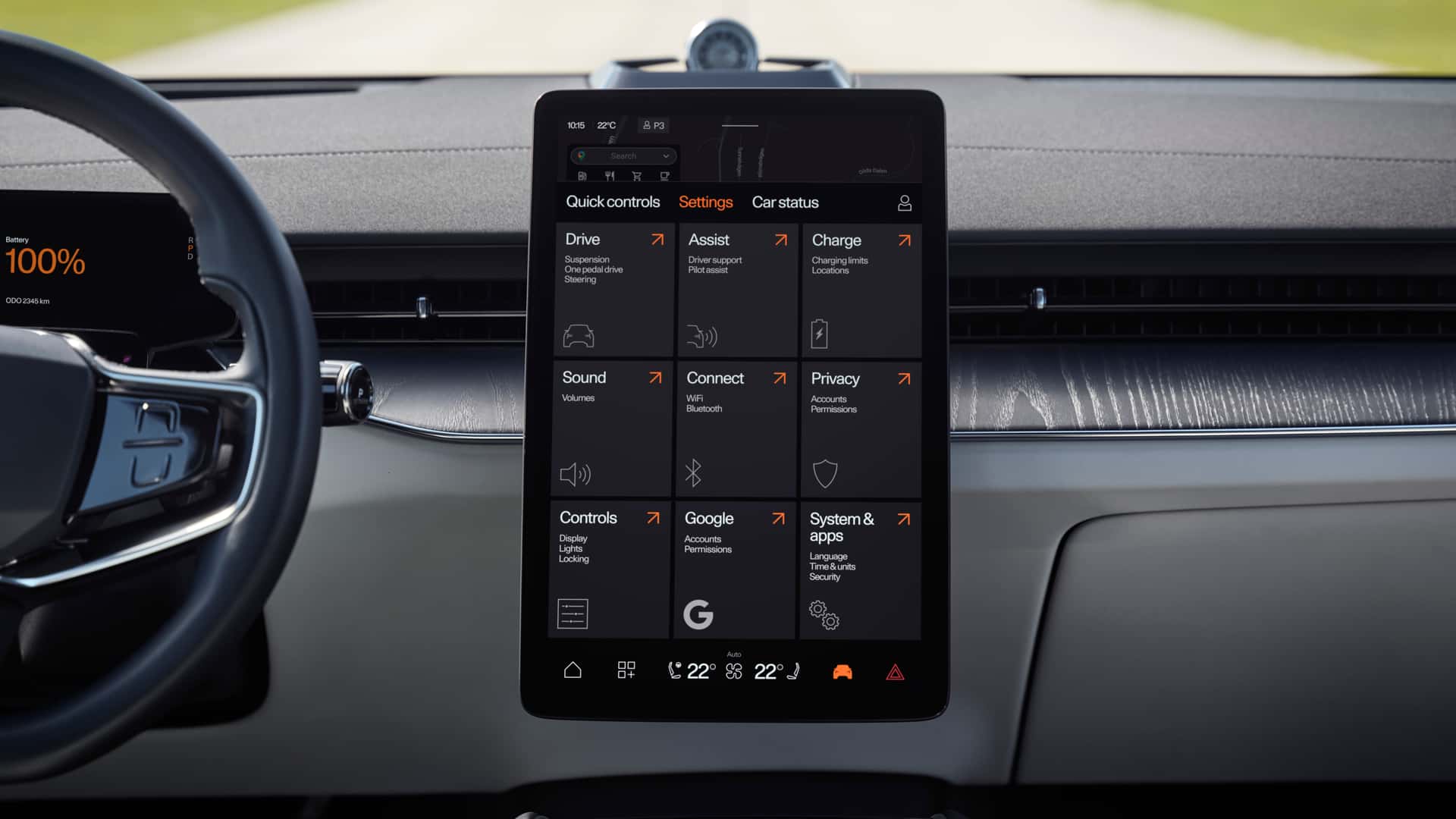
Car buyers are clearly getting tired of touchscreens, which is why more and more automakers are bringing back physical controls. Polestar launched with extremely minimal interiors, with nearly everything handled through the center touchscreen (except for the volume knob). But now, even the Swedish EV brand is backing away from that approach.
In an interview with Autocar, Polestar CEO Michael Lohscheller said the company stays in close contact with customers, and the feedback has been pretty direct: people want more buttons. Lohscheller says:
‘Customers are very outspoken about [tactile controls]. They say, ‘We want more buttons.’ It’s that simple. And yes, we will do buttons.’
Photo by: Polestar
The first update will reportedly arrive with a refreshed version of the Polestar 3 next year. Polestar plans to replace some of the touch-sensitive steering wheel controls with clearer, more tactile buttons. Future models are expected to follow the same direction.
That lines up with comments made earlier this year by Polestar’s head of design, Philipp Römers, who said upcoming vehicles would feature more physical knobs and buttons.


Photo by: Polestar
Stricter Safety Standards
Customer demand isn’t the only reason automakers are rethinking touchscreens. New safety standards in both Europe and China are also pushing brands more toward physical controls.
Updated safety requirements from the European New Car Assessment Programme (NCAP) now require physical controls for key functions such as turn signals, windshield wipers, hazard lights, the horn, and emergency calling to earn a five-star safety rating. China’s Ministry of Industry and Information Technology (MIIT) is introducing similar requirements for essential safety features.
With Polestar popular in both markets, it makes sense that the company is rethinking its mostly button-less strategy.
Motor1’s Take: This is a welcome change for a lot of drivers. After years of stuffing everything into touchscreens, car companies are finally realizing that physical buttons are easier, safer, and less frustrating to use.
Read the full article here


