




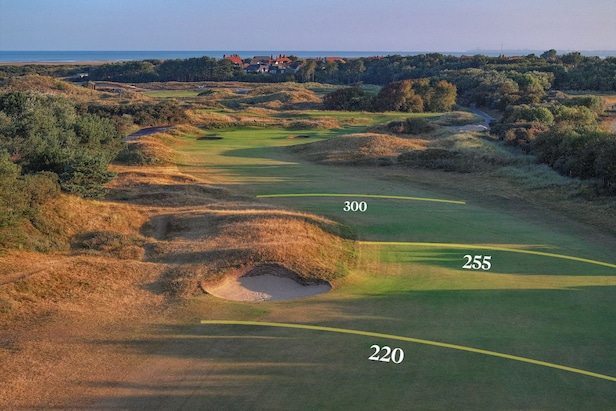
SOUTHPORT, England — Every major championship is an examination. Course set-ups are designed to ask difficult questions and demand precise answers. Royal Birkdale is no different.
“When you give professional golfers options and you can create a little bit of doubt in their minds in terms of should I play this shot or that shot, that’s when things start to get fun.”
Advertisement
Those the words of Rory McIlroy on Tuesday when asked about the examination players will face this week at the Open Championship.
“Fun, especially for the viewer. Not so much for us but that to me is the sign of a good championship test.”
So what does that mean? What are the “options” players have this week?
/content/dam/images/golfdigest/fullset/kennedy/18thTeeBirkdale.jpg
The answer is right in front of them. It’s the decision they make on each tee that defines their answer to the challenge of Birkdale. Nearly every hole on the course presents options. Players can choose their own adventure from there, in hopes of circling their scorecard with a birdie at the end.
Advertisement
Here’s some specific examples of the options players will face this week.
More From Golf Digest


Golf Digest Logo British Open power rankings 2026: The entire field at Royal Birkdale, ranked

The Craziest 29 Minutes in Open Championship History 16:45

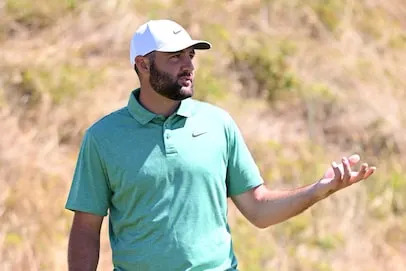
British Open 2026 British Open 2026: Reigning champ Scottie Scheffler gets deep (and just a little morbid) at Birkdale
First hole—447 yards, par 4

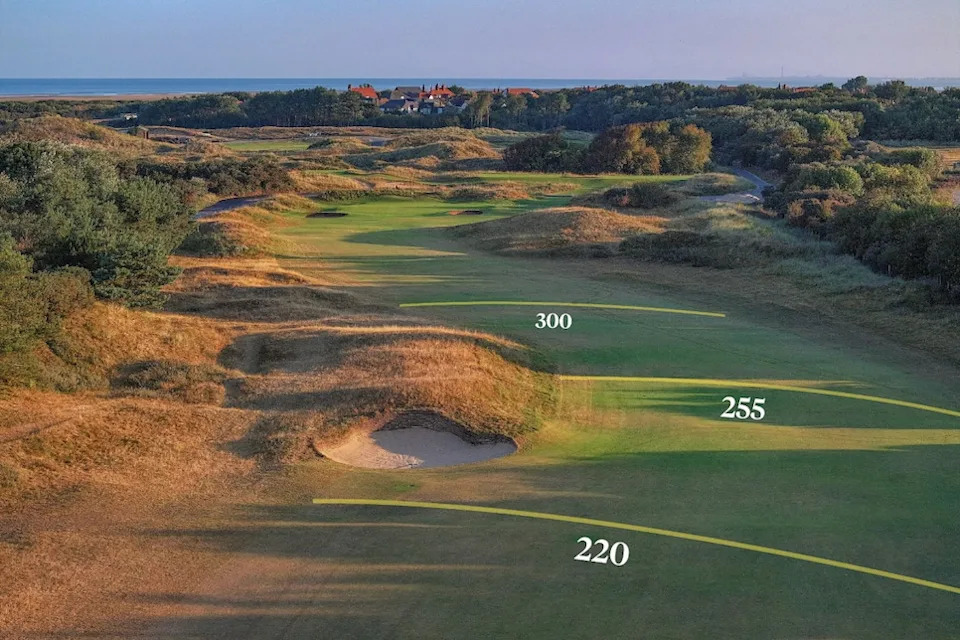
/content/dam/images/golfdigest/fullset/2026/7/first-hole-birkdale-strategy-story.jpg
The test starts immediately at Royal Birkdale. As players enter the arena of the first tee, they are asked to make a decision. A solitary bunker lies in a sand dune on the inside corner of the dogleg, with out of bounds lining the right side of the hole.
Advertisement
Players can lay back to the widest part of the fairway with a long iron, leaving an approach of around 200 yards. Or they can, or attempt to bite off more distance at the cost of width further down the hole. The option is there to cut the corner and go on a direct line to the green but heavy rough lurks on the left side and a mound that will block any view of shots hit right.
Fifth hole—320 yards, par 4

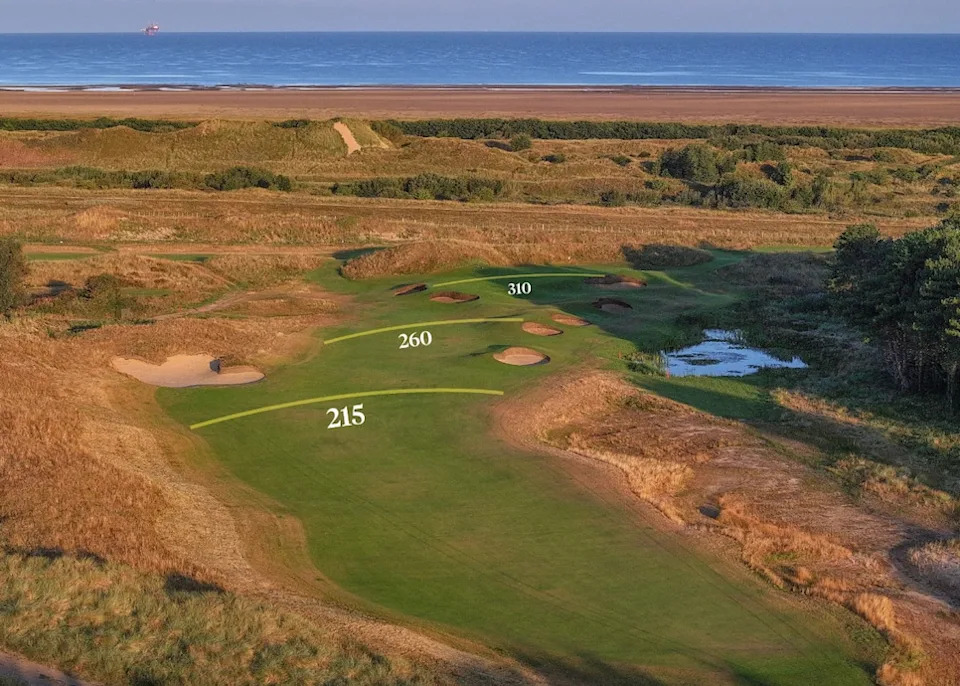
/content/dam/images/golfdigest/fullset/2026/7/fifth-hole-birkdale-strategy-story.jpg
This hole has been renovated ahead of this year’s Open. Now 25 yards shorter than it played in 2017, the green has been remodeled and the sand dunes and mounding that blocked the view of the green on the right side of the hole have been removed. The question, while difficult, is clear. Do you take on the green or not?
Advertisement
The lay up is relatively straight forward, short of the left bunker around 215 yards, leaving just 100 yards or so to the hole. Players could also could take it over the first line of defense and play into the fairway short of the green around 260 yards and pitch directly up the green. Lastly, and most bold, is the shot straight to the green. A new pond lies in wait for any shot missing short and right, and the raised green surface demands a precise shot for those looking for an eagle putt.
Sixth hole—514 yards, par 4
/content/dam/images/golfdigest/fullset/2026/7/sixth-hole-birkdale-strategy-story.jpg
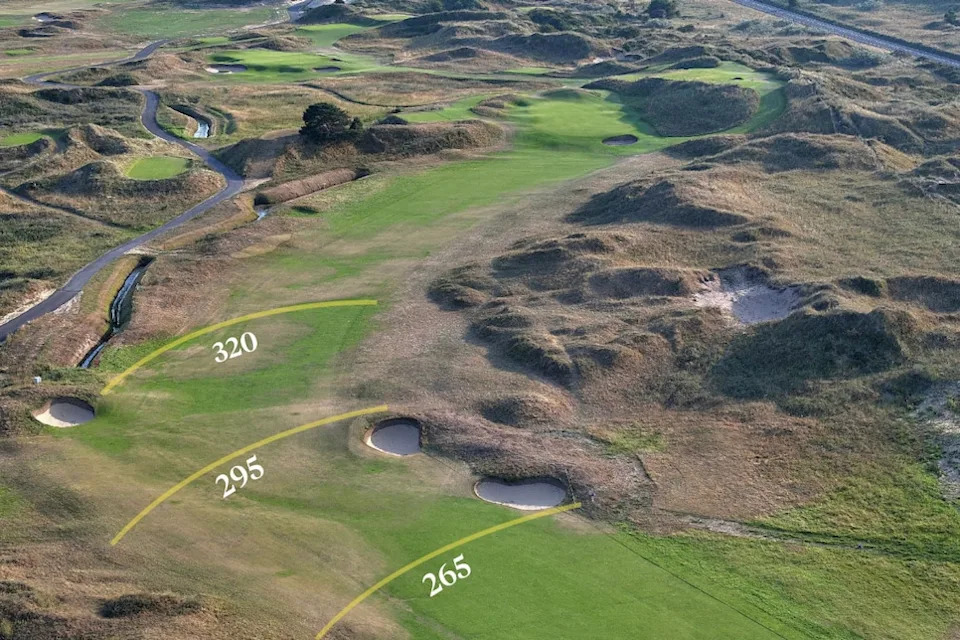
This is the longest par 4 at Royal Birkdale, yet despite its length, it still presents options off the tee. The bunkers on the inside of the dogleg come into play at 265 and 285 yards from the championship tee and a further bunker on the left at 315 yards.
Advertisement
A conservative approach left of the corner will be met with the demands of an approach of more than 200 yards to an elevated green, while the longest hitters in the field can try and take on the dog leg with the reward of a wedge shot to the green.
The advanced level of examination this week comes in the form of firmness. Weeks of hot and dry weather in northwest England mean that the only green parts of the course are in fact the greens. The firm, brown fairways weave through the dunes and ask players to not only hit the fairways and but hold them. Players choosing the aggressive lines, like here on No. 6, with have to keep that in mind.
10th hole—397 yards, par 4
/content/dam/images/golfdigest/fullset/2026/7/10th-hole-birkdale-strategy-story.jpg
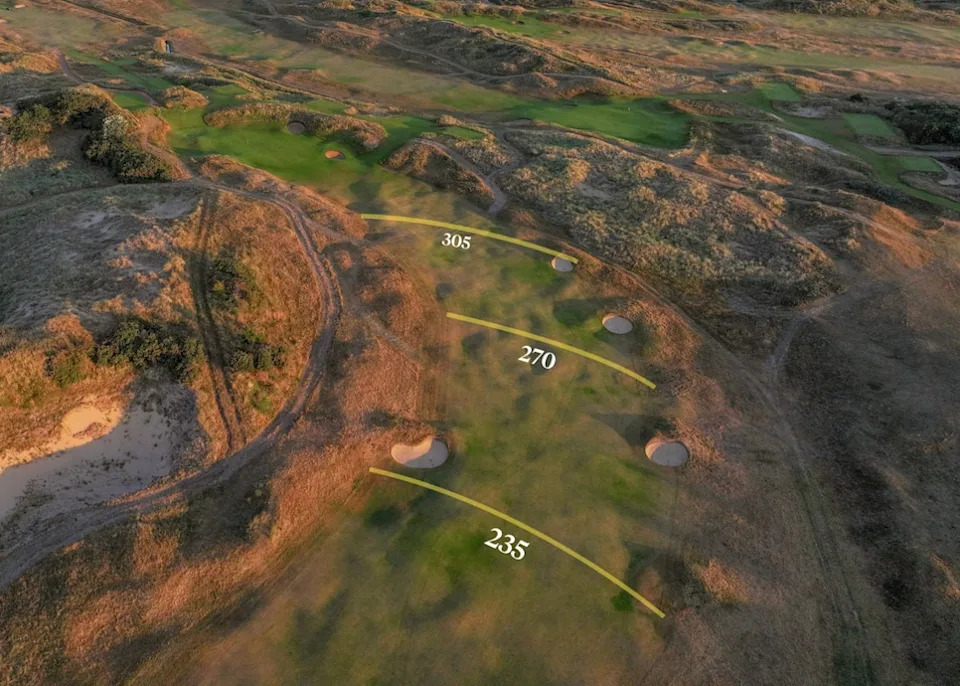
Teeing off in view of the famous Royal Birkdale clubhouse, the 10th hole is a sharp dog leg left. Again, a solitary bunker guards the inside corner, with three more on the outside of the bend.
Advertisement
Tommy Fleetwood spoke at last week’s Scottish Open about a chat he had regarding this hole wiht Rory McIlroy, as the two discussed the merits of pushing a tee shot further round the corner.
“Did you play it back at all of them?” Fleetwood asked McIlroy.
McIlroy responded: “well, no. Because if you lay back at all of them, you don’t really have a view to the green and you are hitting a 6- or 7-iron in. But if you challenge that left one to stop it short of the ones on the right, you have a full view to the green and you’re hitting a wedge in, and then all of a sudden it becomes a gettable hole.”
As McIlroy says, landing a ball around 260 yards and stopping it short of the middle-right bunker at 291 yards would appear to be the ideal play.
Advertisement
“I know I’m hitting a club that could get me into trouble but to be in the best possible position for my second shot, that’s the shot that I need to play.”
A near perfect description of the challenge of Birkdale.
18th hole—508 yards, par 4
/content/dam/images/golfdigest/fullset/2026/7/18th-hole-birkdale-strategy-story.jpg
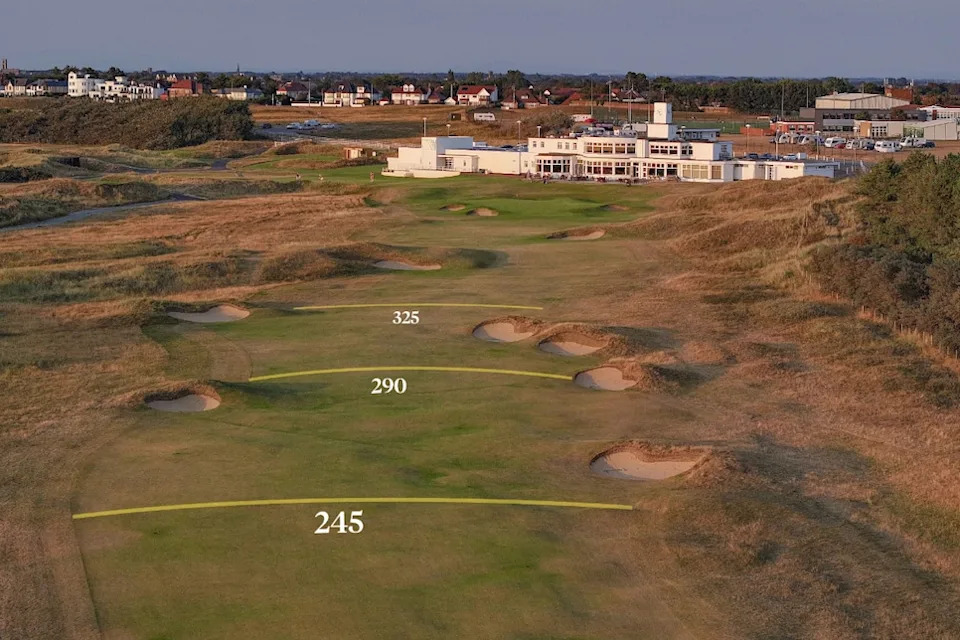
Whoever lifts the claret jug this week will need to survive the gauntlet of the closing hole. A new tee this year has removed most of the bend in the hole but seven fairways bunkers demand a thoughtful, accurate tee shot.
A conservative drive can be hit short of the left-hand bunker at 280 yards but the width pinches the further you go beyond that. Similar to the sixth hole, longer hitters may try to clear all the right bunkers at 320 yards.
Advertisement
There lies the consistent, yet demanding, challenge of Royal Birkdale. To push or not to push, that is the question.
“There’s a lot of thinking off the tee,” said Scottie Scheffler on Tuesday. “Whether or not you want to just hit driver up there somewhere and kind of play from the rough most likely, or do you want to start hitting some irons, getting it in some fairways and hitting some longer shots into the greens?”
Again, it’s choose your own adventure. This isn’t a test of driving distance, it’s a mix of decision making, accuracy and strategy. Add in firm and fast fairways and you begin to understand the nuisance of links golf.
“I think with the firmness, it creates a whole lot more challenges … just to try and control your ball and figure out where it’s going to end up.”
As the defending champion suggest, the player that figures out that challenge best this week is likely to be the one that ends up being named the Champion Golfer of 2026.
Read the full article here


