





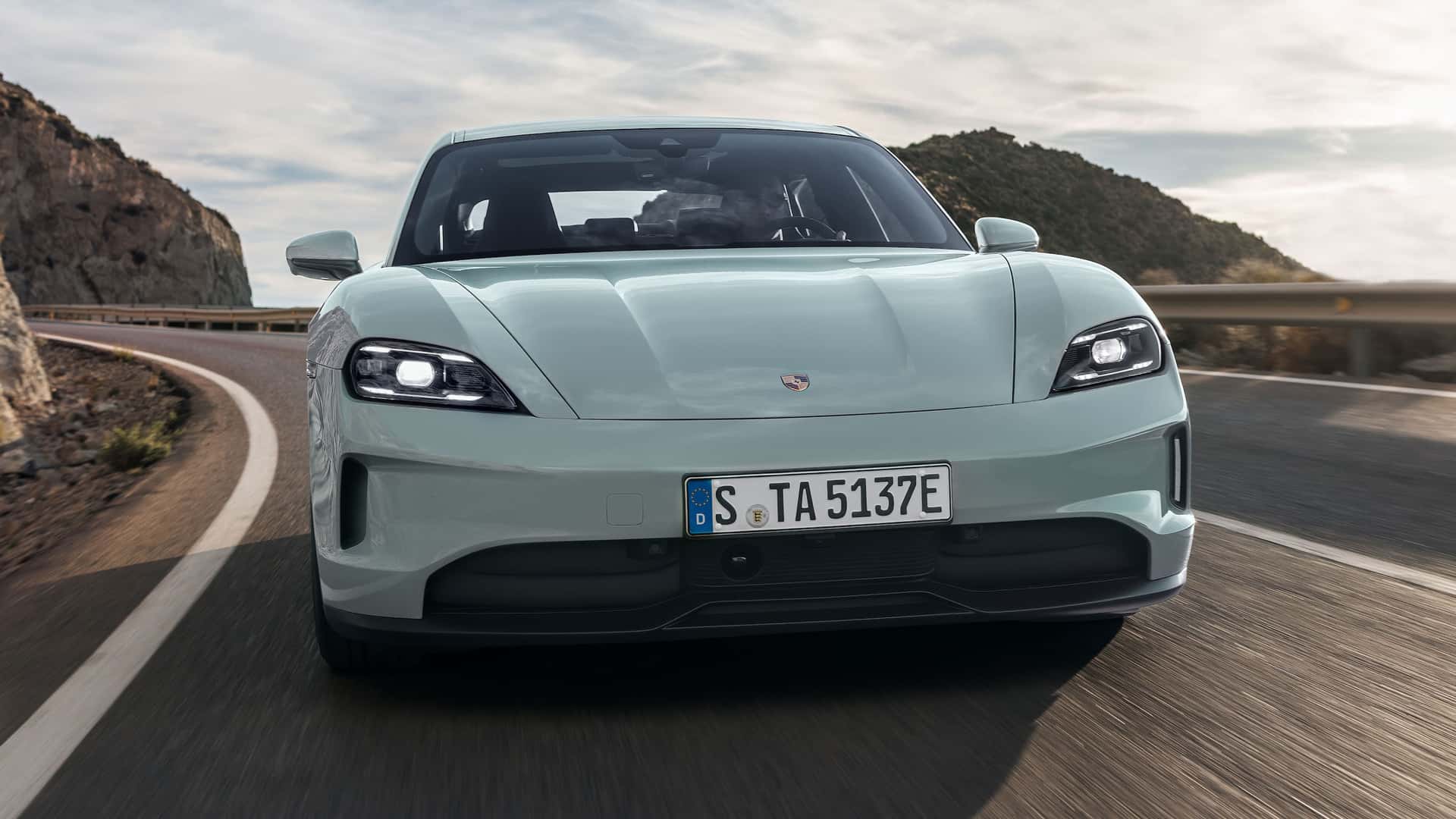
- Porsche reportedly closed four dealerships in China.
- German automaker will reduce from 116 to 80 dealers in China.
- Chinese sales are down 21% to start 2026.
Despite currently making some of the greatest sports cars in the company’s illustrious history, Porsche is not off to the best start in 2026. Sales were down for nearly all regions outside of Germany during Q1, and according to new reporting from IT-home via CarNewsChina, the automaker’s poor performance in China means it will close down four regional dealerships.
The four dealers in Wuhu, Jining, Huai’an, and Nanning ceased operations on June 30th and will adjust their sales authorizations. It’s unclear which of these stores will remain open to service existing Porsche customers, and which ones will relinquish their business to other dealers.
Photo by: Porsche
Before these recent closures, Porsche China managed 116 dealer centers in the country, but there are plans to bring that number down to 80 in the coming years to improve profitability. Each dealer is reportedly losing 20,000 yuan (around $2,941 USD) to 30,000 yuan ($4,413 USD) per delivery.
Eliminating unpopular models like the Taycan Sport Turismo will help a bit, but further cuts are still required. The automaker also shut down around 200 DC fast chargers in China, which it likely built at great expense. Porsche plans to streamline departments and perform restructuring, which is predicted to cut around 3,900 jobs.
The company ended 2025 with 41,938 vehicles delivered in China, a 26.3 decrease compared to 2024. Sales are still down in 2026 with 7,519 units sold in Q1, down 21.0 percent compared to 2025. In fact, China saw the largest drop-off of any market to begin this year.
Motor1’s Take: Porsche has felt the impact of the market shift away from electric vehicles, and the ramifications in China are likely heavier than in other regions. China is a heavy EV country, and although the United States has contracted heavily with EV sales, not catering to the Chinese market leaves Porsche in a state of vulnerability. Larger automakers with wider product portfolios may be able to weather this storm, but Porsche may need to brace for a few rough years in China.
Read the full article here