





- New car prices reached a record high of $51,974.
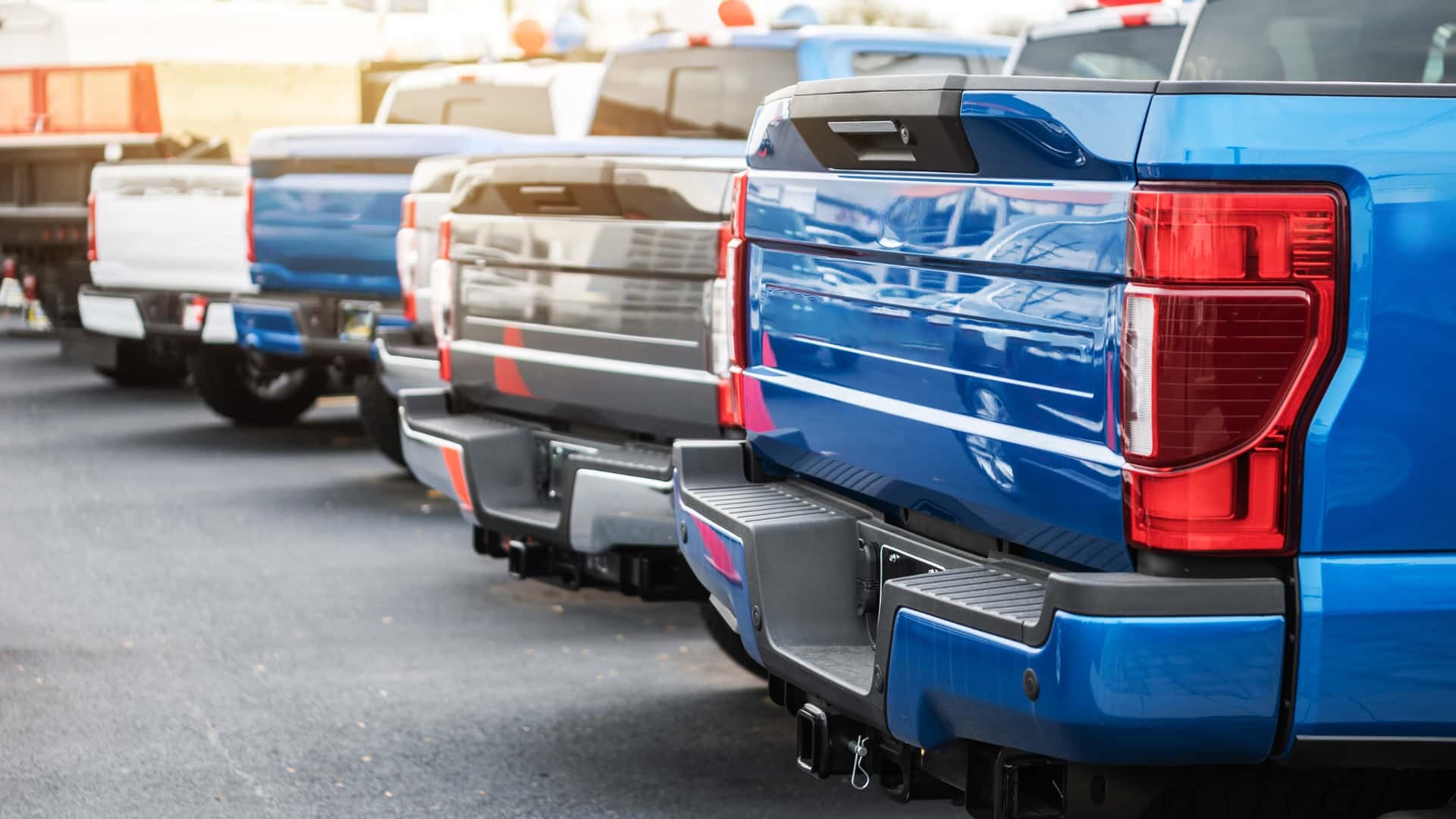
- Full-size pickup trucks lead the market with the biggest price increases.
- Higher prices are not leading to lower sales.
If you feel like new cars are all too expensive, it’s not just a figment of your imagination; the data backs it up. New Catalyst IQ data reported by Automotive News reveals that new vehicles in the United States broke a three-year-old record for the highest average transaction price.
On Jun 26, 2026, the Catalyst IQ Vehicle Price and Inventory Tracker hit $51,820, breaking the previous record of $51,819 by just a single dollar, which was set back on July 7, 2023.
Even after setting a new record, the average transaction price kept climbing, adding another $154 to peak at $51,974 just four days later. This marks a $314 increase compared to May and a $2,421 jump compared to June 2025.
Not all vehicle segments are impacted equally by the price increases. Mid-size luxury crossovers and SUVs, for example, saw the average transaction increase of $3,204 in the past year, while mid-size sedans saw the smallest increase of $262. Full-size pickups saw a sizable increase of $2,296, and mid-size mainstream crossovers and SUVs were less impacted, with only a $952 increase.
Five segments saw price decreases, according to Rick Wainschel, vice president of analytics at Catalyst IQ. Convertibles saw the largest decline at 9.8 percent, followed by minivans at 3.2 percent. Full-size SUVs, extra-large luxury SUVs, and luxury vans also saw price decreases in the past year.
| Today | 30 Days Ago | One Year Ago | |
| All Segments | $52,113 | +$428 | +$2,436 |
| Full-Size Pickups | $61,149 | +$89 | -$2,296 |
| Midsize Luxury SUVs | $72,312 | -$26 | +$3,204 |
|
Midsize Sedans |
$31,239 | +$34 | +$262 |
|
Midsize SUVs |
$40,381 | +$205 | +$952 |
Tariffs have played a major factor in price increases across the industry as automakers work out new ways to shift production to North America. Models like the Subaru Outback moved production from Indiana to Japan, while Buick plans to move Envision production from China to the US.
The higher prices don’t appear to be having a negative impact on sales, according to Catalyst IQ experts. “Even with [automakers and dealers] that are out there discounting, you still have prices heading upwards,” Wainschel said. “But our data shows that overall, turn rate is up and days-to-move is down, which means vehicles are selling faster, and price increases are not having as huge an impact as you think they might.”
Motor1’s Take: Average weekly wages are currently not outpacing inflation, according to data from the Bureau of Labor Statistics. With vehicle prices continuing to climb, a new car may become unobtainable for many people in the US.
Read the full article here