




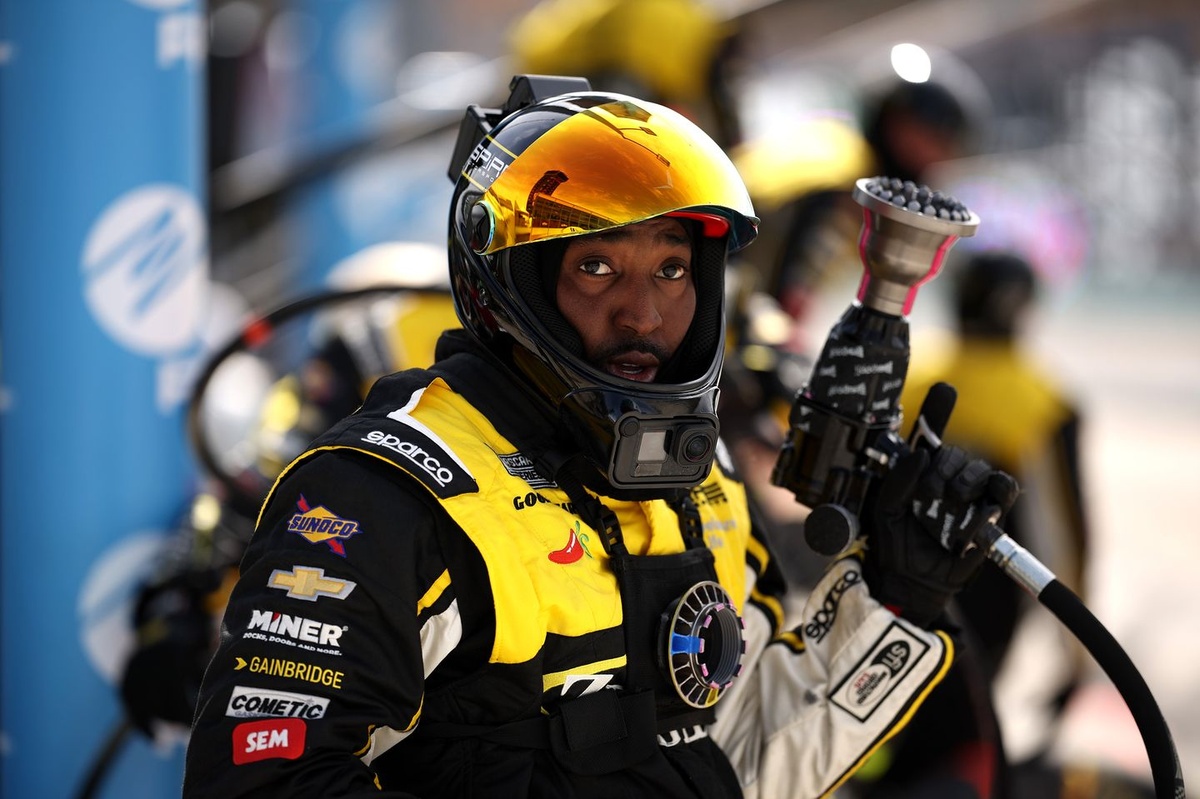
Even as recently as 2025, championships have been won and lost on pit road in NASCAR. In this simplified guide, new fans can find all the information they need regarding how pit stops work, and how easily they can go wrong.
With the Next Gen car that is currently used at the Cup level, it takes around 8-12 seconds for the top Cup Series teams to complete a stop.
Advertisement
Options on pit road
Denny Hamlin, No. 11 Joe Gibbs Racing Toyota
Denny Hamlin, No. 11 Joe Gibbs Racing Toyota
Once in their box, teams have the option to take two fresh right/left side tires, four fresh tires, fuel or not, and other minor adjustments. These often include removing tear-offs from a dirty windshield, cleaning debris from the grille, and providing the driver with whatever they need inside the car. It’s also the perfect time to make repairs. As for the tires, teams are given a strict number of fresh sets to use throughout the race, as well their qualifying scuffs.
Advertisement
Who goes over the wall
Kyle Larson, Hendrick Motorsports Chevrolet

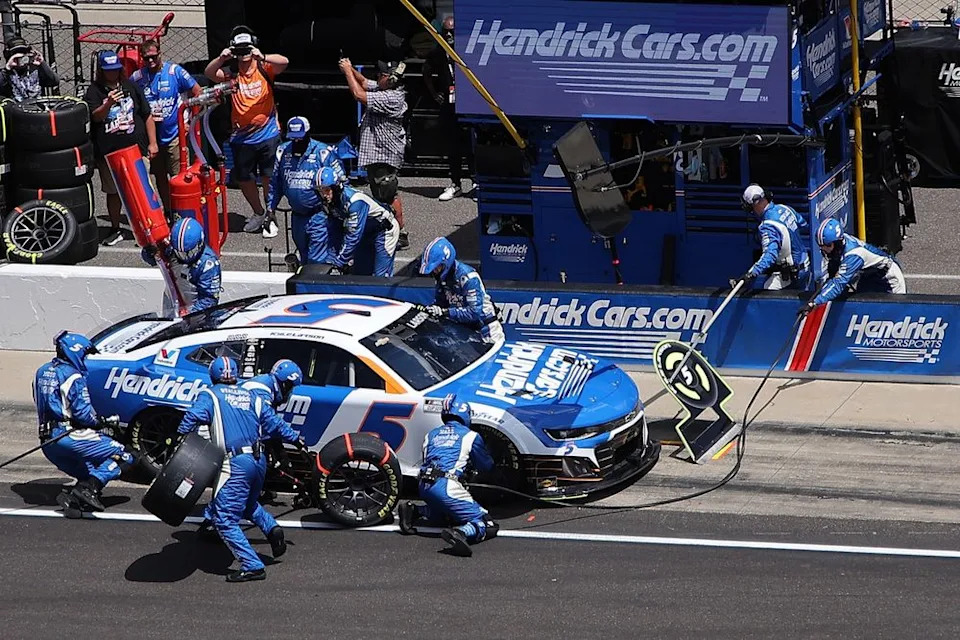
Kyle Larson, Hendrick Motorsports Chevrolet
There is a jackman, a tire carrier, two tire changers, a fueler, and a sixth member of the team who can service the driver. There are several others on the other side of the wall helping as well, catching tires, handing off fuel cans, working the pit sign that shows the driver where to stop, and so on.
Teams must also change the outside tires first, which is a NASCAR rule. The tire carrier will hold two 50-pound tires in each arm, running in front of a 3,400lb stock car with the rest of the crew and handing the tires off as the jackman raises the car and the tire changes go to work, swapping old tires for new, with the tire carrier returning the old tires to the pit wall. They then run to the side closest to the wall where members from behind the wall hand off two more tires and the cycle repeats. Once the jack drops, the car takes off.
Advertisement
A modern Cup car takes up to 20 gallons of fuel, and there is one center lug nut on the wheels. This is a recent change, and the lower two national divisions still use five smaller lug nuts.
If a crew member if injured, most major teams have backup crew members that are usually working with allied teams during the race. They can move people around at will, and Chad Knaus infamously swapped his entire No. 48 pit crew with the No. 24 Hendrick team in the middle of the race once. The No. 24 had wrecked at that point in the race, and was no longer in contention.
Common mistakes and penalties
Connor Zilisch, Trackhouse Racing, Kyle Busch, Richard Childress Racing
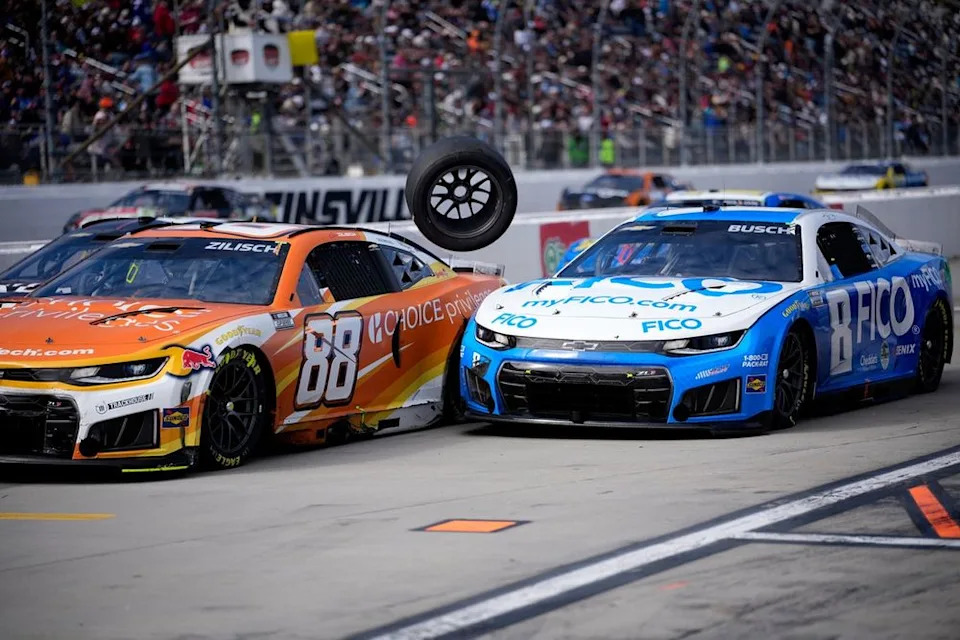
Connor Zilisch, Trackhouse Racing, Kyle Busch, Richard Childress Racing
The most common issue on pit road is speeding. Drivers must adhere to the speed limit, and since they don’t have speedometers, they have to rely on the RPMs on their tachometers to make sure they aren’t speeding.
Advertisement
There are also penalties for taking equipment outside the box, uncontrolled tires getting away from the crew, impeding other teams, or pitting outside the white lines of each designated pit stall. Too many men over the wall is something that is known to happen as well, either intentionally in an emergency, or by accident, like with crew members falling over the wall as they try to catch tires.
If a car goes through more than three pit boxes while approaching or exiting their own box, that’s a penalty. Another common one is crew members jumping over the wall too soon. They can’t be out there in the box waiting like you see in F1, and can only cross into the stall once the car is within one pit box of them. If the car won’t fire, crews can push it for three boxes before having to wheel it back. While filing down pit road, cars can’t pull out and pass each other.
You will also see penalties for entering a closed pit, which some teams will take willingly when there’s an emergency or damage to repair. Additionally, there is a commitment line at the end entrance of pit road, and any car that fails to get beneath it before pitting will be penalized. At the other end, there is a blend line the car must stay below until they reach the designated spot where cars are allowed to merge back onto the race track.
Advertisement
Most of these penalties will result in the car being sent to the tail of the field under caution, or a pass-through/stop-and-go under green-flag conditions.
However, a loose wheel that comes off on the track is about as bad as it gets. Something that has become more prevalent with the modern Cup cars (with one center lug) are detached wheel penalties. If a car exits their stall with a loose or unsecured wheel, they will sometimes drive into a teammate’s pit box to tighten it. That is an end-of-line penalty under caution or pass-through under green, but the penalty for losing a wheel on track is far worse. The car will be held by officials two laps, and the tire changer/jackman will face two-race suspensions.
Read Also:
Advertisement


How the NASCAR Chase playoff format works: A simplified guide
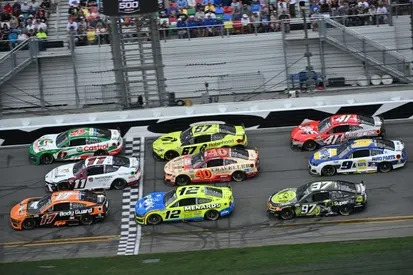
Everything you need to know before watching a NASCAR race
What are stages and how do they work in NASCAR?
To read more Motorsport.com articles visit our website.
Read the full article here


