





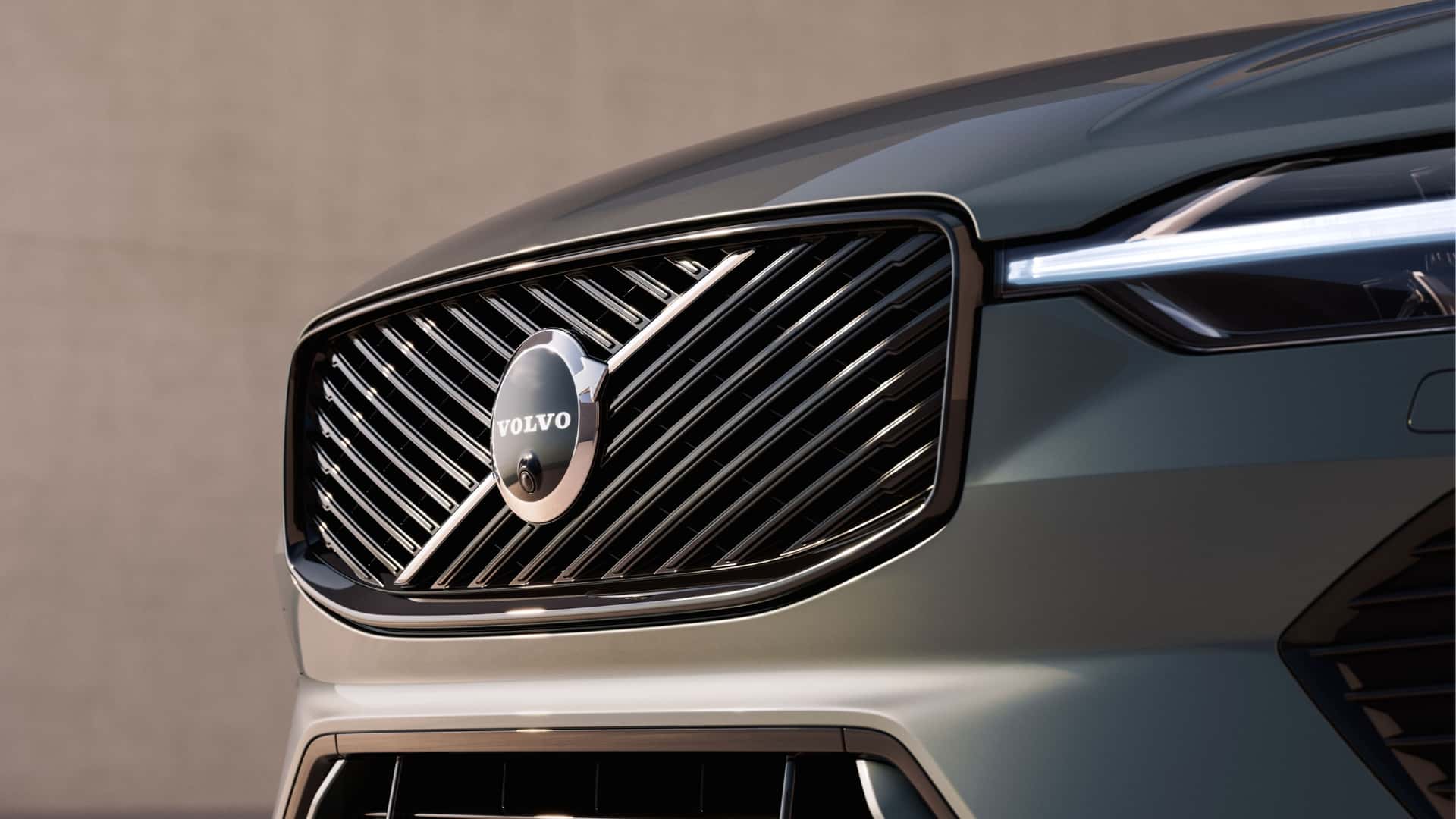
- Volvo wants future PHEVs to offer more electric range, with the XC70 already delivering up to 124 miles in China.
- The company sees plug-in hybrids as a way to get hesitant buyers comfortable with electric driving without giving up a gasoline engine.
- Volvo remains committed to fully electric vehicles.
Volvo went hard on electrification over the past few years, rolling out models like the EX30, EX60, and EX90. But with EV demand slowing, particularly in the US, the Swedish automaker is putting more emphasis on plug-in hybrids again. And this time, it wants them to offer enough electric range that owners can actually use them like EVs.
Speaking with Autocar, Volvo UK boss Nicole Melillo Shaw said the company still sees plug-in hybrids as a “stepping stone” for customers who aren’t ready to make the switch to a fully electric vehicle. But she also believes PHEVs need enough electric range to be used as intended, rather than simply being driven like gasoline-powered cars.
‘In the past, when plug-in ranges were very low, drivers rarely charged them. Volvo has invested heavily in making sure our hybrids offer a long range so that people can use them as intended.’
That’s why Volvo is rolling out a new generation of PHEVs with better range. Rather than giving them relatively small batteries that provide a few dozen miles of electric range, the company is looking at bigger batteries and much longer electric-only driving ranges.
We’ve already seen what that could look like with the new XC70, Volvo’s first extended-range plug-in hybrid. It can drive up to 200 kilometers (124 miles) on electric power on China’s CLTC testing cycle.
Photo by: Volvo
Volvo Still Wants To Go Electric
Despite putting a big emphasis on plug-in hybrids, Volvo isn’t giving up on EVs. Melillo Shaw reiterated that the company remains committed to electrification and is prepared for a future in which customers make the switch to electric vehicles much faster.
‘If everyone decided to drive an electric car tomorrow, we are set up to support that.’
The problem is that customers aren’t making that transition as quickly as Volvo and other automakers had expected. That’s forcing manufacturers to rethink how quickly they can move away from combustion engines while still giving buyers what they want.
For Volvo, longer-range PHEVs could help bridge that gap. Buyers can drive on electricity for most trips while still having a gasoline engine available for longer road trips. And if those customers eventually become comfortable with electric driving, Volvo hopes they’ll be more willing to make the jump to a full EV.

28
Source: Volvo
Motor1’s Take: A PHEV with 100-plus miles of electric range is a very different proposition from the short-range plug-ins we’ve seen for years. For drivers who aren’t ready to give up gasoline completely, a long-range PHEV could offer much of the day-to-day experience of an EV without the need to worry about charging on longer trips.
Read the full article here