




There was a time when a $10 million cap hit stopped people in their tracks.
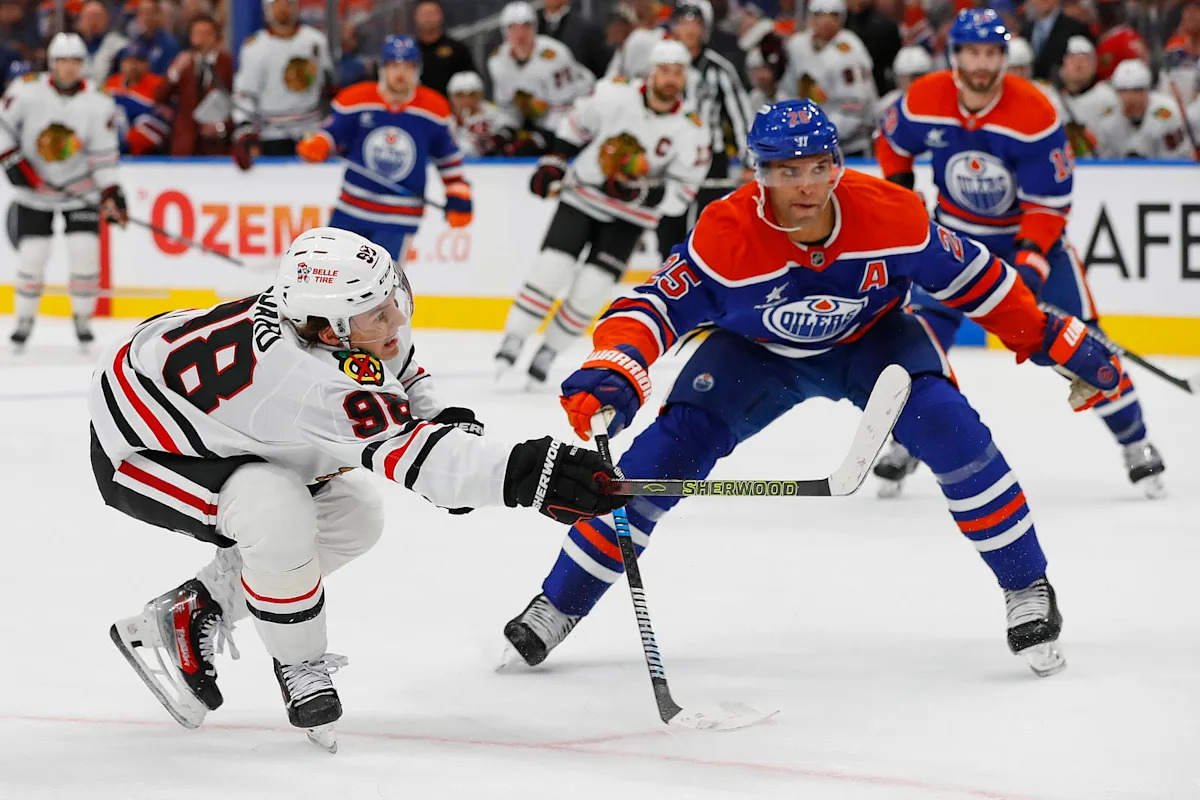
Nathan MacKinnon became the NHL’s highest-paid player at $12.6 million less than three years ago, Auston Matthews pushed the market to $13.25 million shortly after, and now Leo Carlsson has an $18 million cap hit after signing a five-year offer sheet with Philadelphia that Anaheim matched. Connor Bedard agreed to a five-year extension worth $75 million, collecting nearly $49 million through signing bonuses while settling at $15 million against the cap. Those contracts arrived only days apart, yet neither felt particularly out of place.
Advertisement
That’s how quickly the conversation has changed.
The flat-cap years trained everyone to think differently. General managers guarded every dollar because they had no reason to believe another one was coming. Players still landed enormous contracts, but negotiations rarely wandered far beyond the financial reality sitting in front of them. Every long-term commitment came with the understanding that flexibility would remain scarce.
NHL Arbitration 400
NHL Arbitration 400 UNIVERSITY OF HOCKEY OPERATIONS Course Catalog: Fall Semester
With a continouslly rising salary cap, nobody is negotiating that way anymore.
The numbers being thrown around this summer are tied to where the NHL expects itself to be by the end of the decade, when the salary cap is projected to sit comfortably above where it stands today and contracts that currently dominate headlines could look surprisingly ordinary.
Advertisement
That’s what Carlsson’s offer sheet represents. One 141 points in 201 NHL games doesn’t resemble the résumé that traditionally produces the richest cap hit in hockey, but Philadelphia saw a young centre with size, skill and years of team control remaining. They recognized how rarely players like that become available and attached a number large enough to force Anaheim into making a decision immediately.
Bedard’s extension reflected many of the same realities. Chicago secured the face of its franchise before another negotiation had the chance to become more expensive, while $49 million in signing bonuses served as another reminder that cash has become every bit as important as average annual value in discussions involving the league’s biggest stars.


Connor McDavid to the Flyers?.. Huh?
Connor McDavid to the Flyers?.. Huh? Former NHL enforcer Todd Fedoruk claims the league’s top superstar is eyeing Philadelphia, sparking a firestorm of tampering concerns and speculation over Daniel Briere’s next blockbuster move.
Advertisement
Every negotiation involving Macklin Celebrini, Adam Fantilli, Will Smith and the next wave of franchise players now begins with fresh comparables, signed under financial conditions that barely resemble those from only a few seasons ago. Agents will point to Carlsson. Teams will point to Bedard. Neither side will spend much time talking about contracts signed before the cap began climbing again.
Offer sheets could find their way back into the conversation as well.
They spent years feeling more theoretical than practical, largely because front offices preferred preserving relationships over creating uncomfortable situations. Philadelphia demonstrated there are circumstances worth testing, particularly when cap growth softens the long-term consequences of a contract that might have felt impossible to absorb only a few years ago. It won’t surprise anyone if another general manager decides the risk is worth taking.
Choose Your Own Cap Space: A GM’s Offseason
Choose Your Own Cap Space: A GM’s Offseason You are the general manager of an NHL team with a promising young core, a demanding fan base, and exactly $9.2 million in cap space. What could go wrong? Let’s find out.
Advertisement
Fans still react to these numbers the way they reacted when double-digit cap hits first appeared, even as the league continues moving the goalposts. That’s understandable. Hockey has never experienced sustained financial growth like this under a salary cap system, and perspective usually lags behind reality.
Reality has already moved on.
The next contract that resets expectations probably isn’t far away. Neither is the one that makes it seem modest.
Read the full article here


