




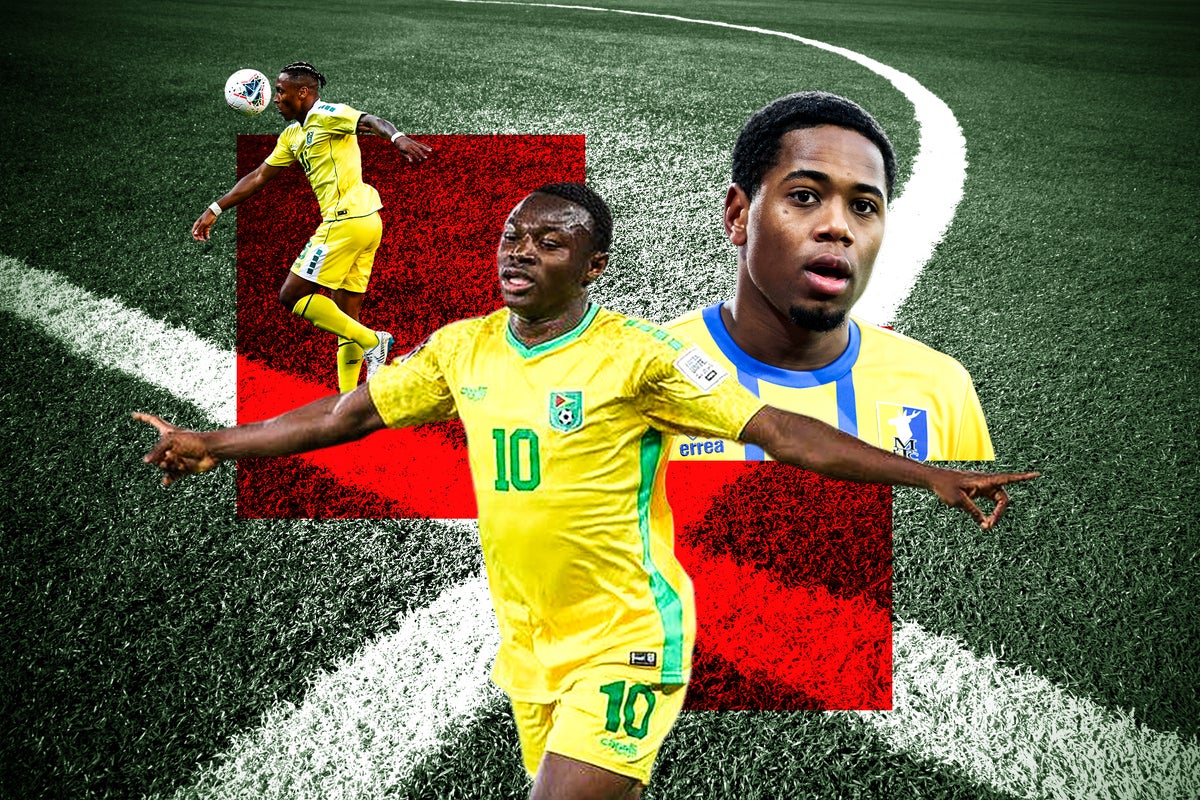
Curacao, the tiny Caribbean outpost with a population less than Middlesbrough, have found their way to football’s top table. Away from the greed, the cost and the wars, their anticipated debut has been one of the sparingly few pre-tournament stories that epitomise what the World Cup should represent.
It is a national miracle that they find themselves here but also a regional rarity; they are one of just five nations to ever represent the Caribbean on football’s biggest stage. That now looks to be changing.
Advertisement
The expansion of the World Cup to 48 teams has created new opportunity for international minnows to compete at a level that once looked impossible to reach. Those at the top may feel Fifa have made the tournament too big for their own good, diluting the quality. But there’s an argument for the opposite; with new doors now opened, smaller footballing nations are crucially now seeing a greater justification to invest in the development of the game from the ground up.
One of the confederations that benefited most from the expansion was Concacaf, the governing body for North America, Central America and the Caribbean. Like in Asia and Africa, Concacaf saw its World Cup qualifying berths effectively doubled – from three to six, plus another if one of their nations is successful in the play-offs. This is understood to have more than drawn the ire of Europe, with Uefa’s three extra spots (taking their allocation from 13 to 16) being the same given to Concacaf despite the overwhelming gulf in depth and standards between the confederations. Quality was clearly not the prevailing reason for change – instead, “inclusive” was the key word used by Fifa president Gianni Infantino when explaining the new allotments.
Gianni Infantino says the World Cup is now more “inclusive” as a 48-team tournament (Reuters)
For better or worse of the World Cup on the whole, this has allowed the Caribbean to dream. Previously, pathways to the World Cup were gatekept by North and Central America. The United States and Mexico were near-guaranteed to qualify, leaving just one place to fight over; often Costa Rica or more recently Canada would snatch this. Opportunity was unbelievably limited for ambitious but poorly-resourced teams, but that is no longer the case. Both Curacao and Haiti are competing this year – the first time the Caribbean has ever had two countries representing at a World Cup – two decades on from Trinidad & Tobago’s generation-defining qualification in ‘06. And there will be others in years to come, with this writer delving into how one nation aims to emulate Curacao.
Advertisement
Guyana’s story
Guyana is part of this flourishing Caribbean football dream. Situated on continental South America, bordering Brazil to the south between Venezuela and Suriname, it is culturally and politically Caribbean, and its national side thus plays qualifying through Concacaf. But they are not a strong footballing nation.
Going into this World Cup, they are ranked 150th in the world; 17th in Concacaf’s rankings. They have reached the finals of just one Gold Cup, their confederation’s major competition, in their history in 2019.

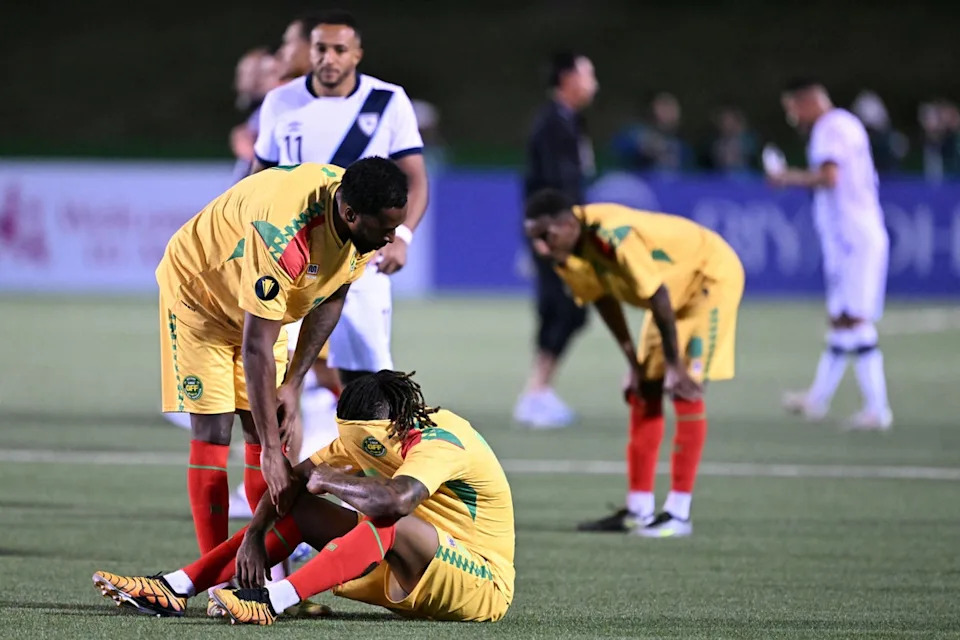
Guyana are not a strong footballing nation (AFP via Getty Images)
What makes them different to every other Caribbean minnow though is the country’s economic state. Guyana boasts the fastest growing economy in the world, driven by the historic discovery of an enormous offshore oil reserve – estimated at 11bn barrels – in 2015. Prior to that find, the nation had a lower Human Development Index rating than Palestine and was one of the poorest countries on the planet. It is now the 17th most oil-rich in the world with social development slowly rising, though recent data did show that 58 percent of Guyana’s 840,000-population is still living in poverty.
Advertisement
Nevertheless, Guyana now has financial power that can theoretically allow for the right investment into football to an extent their counterparts cannot afford. If the government, with Irfaan Ali currently serving as president, will facilitate this is a completely different question.
The country is also blessed with a large overseas diaspora in football-proficient countries, especially in Europe and the United States. This is integral to for a small international team to be successful.
Curacao have demonstrated this. Only one player in their 26-man squad was not born in the Netherlands. That man was Manchester United youth product, now Sheffield United winger Tahith Chong, who moved to the Netherlands at the age of eight and represented the country at six different youth levels.

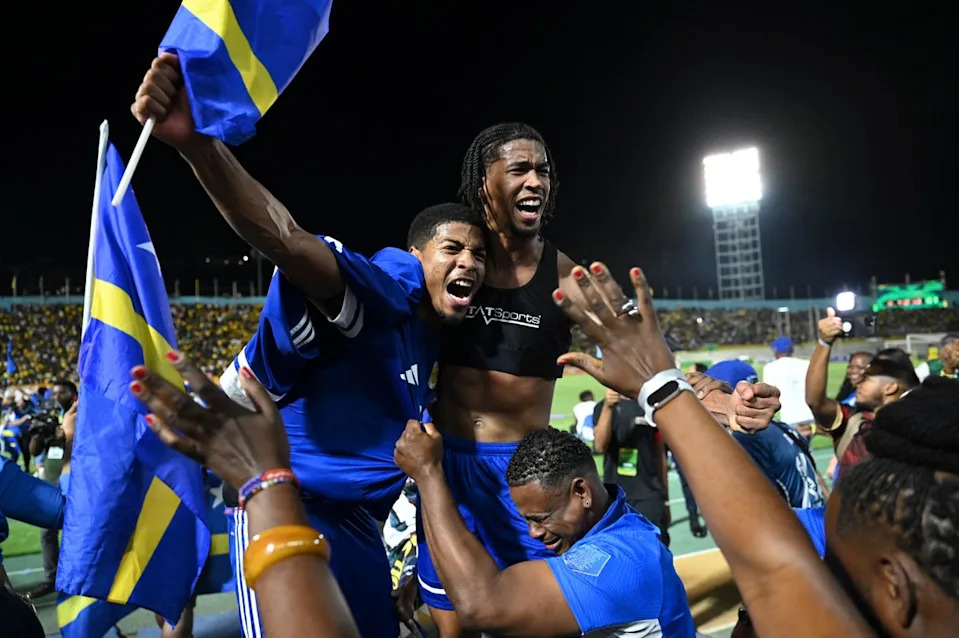
Curacao’s journey to the World Cup has been powered by their Dutch diaspora (AFP/Getty)
This blueprint is there to be adopted for the Guyana Football Federation (GFF).
Advertisement
The need for ‘foreigners’
A previous GFF regime in the early 2010s, ran by Christopher Matthias, controversially opposed the utilisation of “foreigners”. He phased out the likes of Carl and Leon Cort, the English-born brothers who were – and still are – among a select class of Guyana internationals with Premier League experience. “Advancement is not necessarily development,” Matthias argued on live television.
That changed when the incumbent Wayne Forde’s presidency began in 2015. Matthias, having grown vastly unpopular, had been unceremoniously ousted from power by Fifa a year earlier, just 18 months after being elected; his stand was short-lived. “Anyone who builds a campaign on being anti-diaspora players is going to suffer the consequences of that campaign,” Forde told The Independent.
The GFF’s stance on overseas talent has been all but unwavering since. “No one is going to criticise a doctor who was born in England but decides to come home and cure patient here in Guyana,” Forde asserted. “I often call on that logic when I get into these arguments, and I say, ‘Listen man, these people are Guyanese’. If we had a war and Venezuela was coming in and we made a call across the diaspora and said, ‘We need 20,000 more soldiers’, you wouldn’t say, ‘We don’t want those that weren’t born in Guyana’. They’ll fight and die right next to us.”
Advertisement
Recruitment relied heavily on word of mouth during the early Forde years.
Neil Danns will be known to you as a Football League journeyman, best remembered for his time at the heart of Crystal Palace’s midfield between 2007 and 2011. The Liverpudlian is also one of the best players to ever don the Guyana shirt. He scored all three of the Golden Jaguars’ goals from midfield in their only Gold Cup appearance, earning a place in the competition’s team of the group stage despite Guyana’s bottom-place finish. Yet his introduction into the setup wasn’t carefully formulated by the GFF – it happened by fluke.

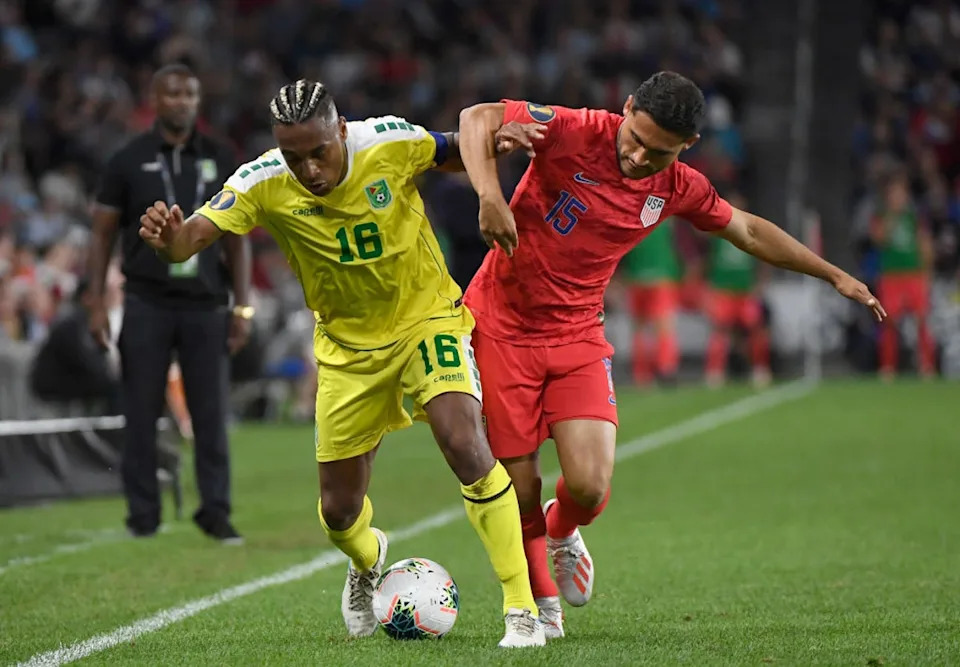
Neil Danns in action against the United States during Guyana’s only Gold Cup campaign in 2019 (Getty Images)
“When I was at Colchester United, a lad came on trial with us who was at the same agency as me,” said Danns. “He didn’t end up signing for Colchester but we kept in touch and he ended up playing for Guyana first. He remembered I was of Guyanese descent, so he got in touch with me and he basically said, ‘Would you be interested?’ And I said, ‘Yeah, definitely, I’d love to.’” That initial moment of complete chance prompted Danns to make “one of the best decisions in my football career”.
Advertisement
Over a decade on, this still forms part of the GFF’s recruitment strategy, especially with the reach of social media. “The biggest recruitment happens when a player talks to another about exploring international football and that other player having the desire to play international football. That is the core of recruitment,” said GFF technical director Bryan Joseph. But there is more being done.
“We have people that are within those countries that are actively recruiting players,” Joseph added. “We are just on the verge of confirming a group that will do some recruiting in England for us. We also have a group in the United States that is doing that, especially with younger players.”
That last note is integral. Danns joined the setup when he was 32. The Cort brothers made their debut at 32 and 34 respectively. To avoid Guyana being seen as an end-of-career pursuit, there became a need to get to approach and recruit eligible overseas talents while they were still young.
There is an obvious target for the GFF in this regard. Danns’ son, Jayden, plays for Liverpool and looks destined for a fantastic professional career. He would surely become the best player in the country’s history and could spearhead their rise. But as someone who captained the England U20s as recently as last September, his first-choice international avenue is abundantly clear.

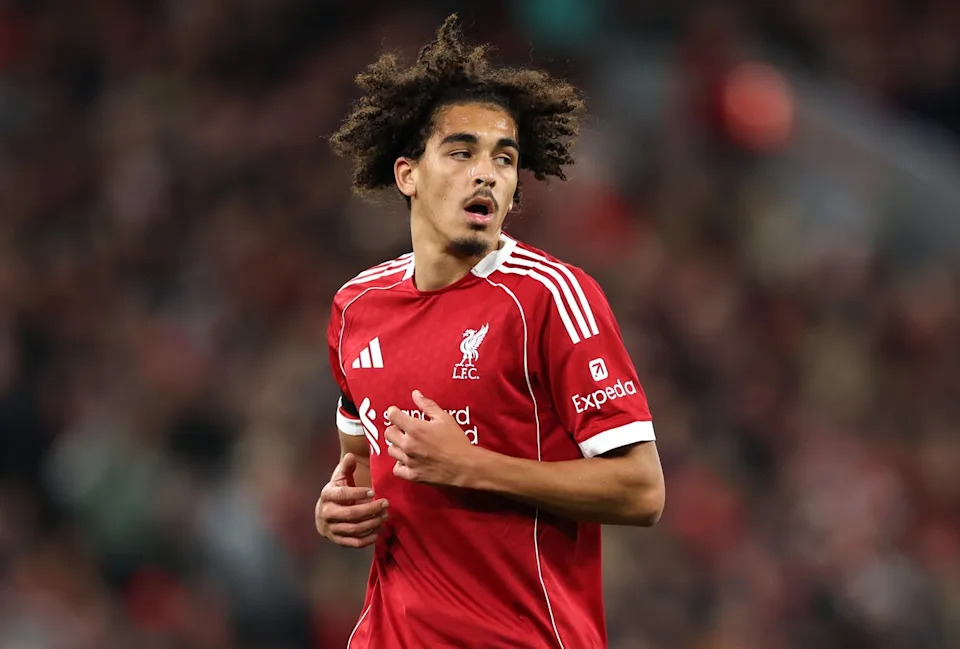
“We’ve never actually spoke about it,” Danns Sr replied when asked about his son following in his footsteps. “That’s the honest truth. He knows what I’ve done for Guyana but he’s got a completely different career to me.” He adds that it’s “not something you could ever rule out” and the young striker would be eligible to change allegiances as he has no senior appearances for the Three Lions yet. For now, he’s well out of reach of the GFF.
Advertisement
Instead, Nathan Moriah-Welsh and Isiah Jones, two Londoners, are obvious recruitment success stories. Jones was called up aged 25 in August 2024, having become a regular during a six-year stint at Middlesbrough; no player in Guyana’s first team had established themselves at a higher level. Moriah-Welsh, meanwhile, joined the setup as a teenager in March 2021. It was quite the call from the then-Bournemouth prospect; he was rated highly enough to be included in The Guardian’s “Next Generation 2018” list at 16, which put him alongside Bukayo Saka as one of the 20 best young talents at Premier League clubs, so wouldn’t have been blamed for thinking he stood a chance at one day fighting for an England place.
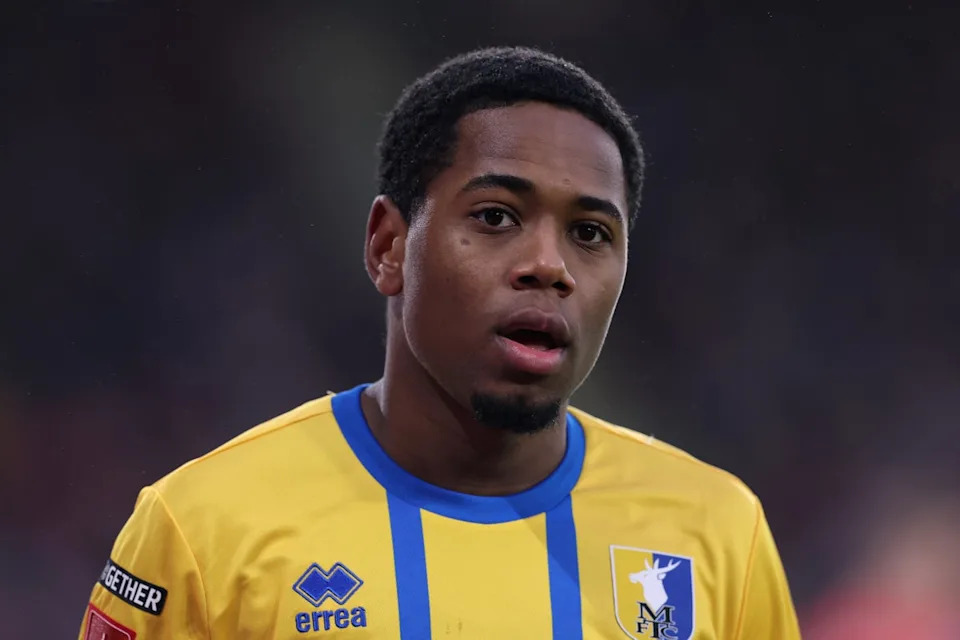
Nathan Moriah-Welsh joined the Guyana setup as a teenager despite being a highly-rated English-born youth star (Getty)
“It was just a case of being realistic and understanding that England’s the best of the best,” the now-Mansfield midfielder admitted, who was eligible for Guyana through his mum. “As much as I was probably one of the best of the best at Bournemouth for my age, there’s still 19 other Premier League teams. You can weigh up your options and now I’m about to hit 30 caps for Guyana instead of waiting for an England call-up that would’ve never came.”
Moriah-Welsh doesn’t regret his early decision, and like Danns, urged others presented with a similar opportunity to jump at it: “The experiences you get are next to none.”
Advertisement
It’s testimonies like these that perhaps explain why it’s not solely Guyana looking for new players. The opposite can be true.
“We are on a daily basis receiving numerous requests for players who pitch to come and play for Guyana,” revealed Joseph, the profiles of which form a key database for the GFF. But Guyana will not take just anyone, because a complete reliance on overseas talent will not be accepted. While foreign recruitment is imperative to lay the foundations of a successful minnow, the federation’s vision is to also build the game and develop stars within the country’s borders.

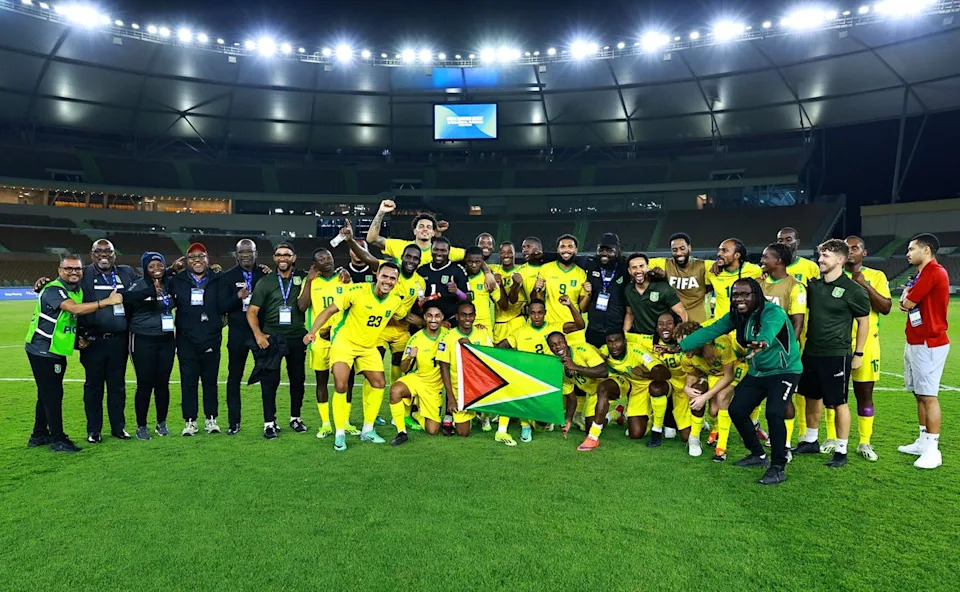
Guyana will not accept a complete reliance of overseas talent (FIFA via Getty Images)
‘The opportunity to outspend everyone’
Attitudes towards overseas talent may have shifted in the past decade, but there has always been strong fan discontent to a perceived “lack of confidence” in Guyana’s own. This has been a regular cause of division between governors and supporters. So it isn’t much of a surprise that officials are stressing the growth of the grassroots game as paramount.
Advertisement
Football outreach appears to be the obvious first step. Too few in the country, especially deep in the hinterlands, have any real access to the game, and this has been difficult to change. There are very few coaches available and other institutions, such as schools, have been reluctant to make football readily available for youngsters. “A lot of the burden around grassroots football is still being carried out by the national federation,” lamented Joseph.
The GFF recently launched the Youth Ensemble Programme directed at boys and girls, with the aid of Fifa Forward funding, which is said to have got close to 4,500 children playing football across over 100 clubs every weekend. Only two percent of the playing population will ever reach the heights of the national team but by exposing more to the game, the quality of this minority will improve.
Bearing the torch for the homegrown movement is wonderkid Omari Glasgow, born in the coastal village of Beterverwagting, who became the country’s all-time top scorer aged just 20 in 2024. A professional with MLS side Chicago Fire, Glasgow’s connection with the Guyana fanbase is much stronger than any of the overseas contingent. The hope is that there will be many more Glasgows to come.
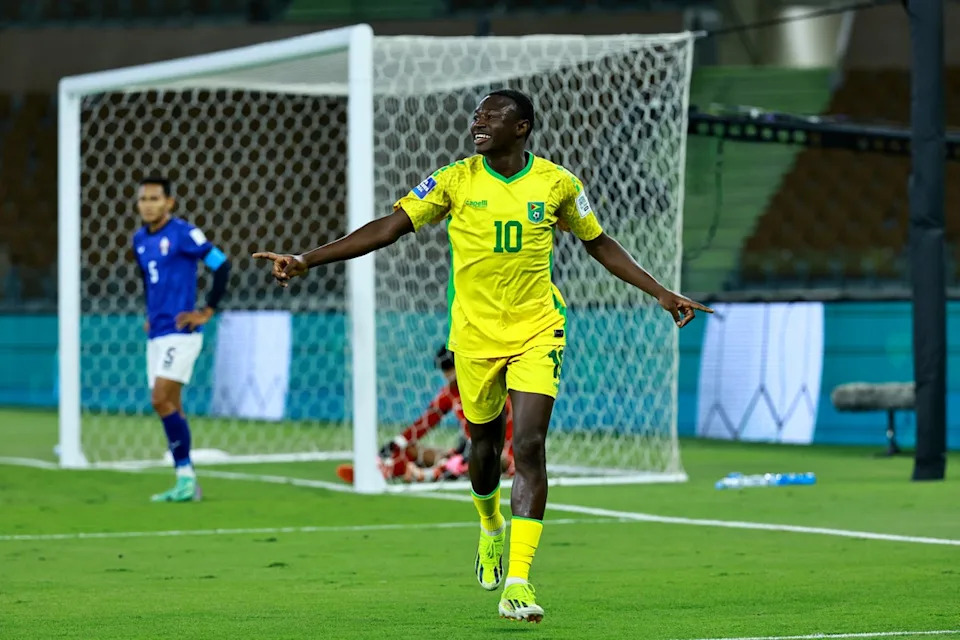
Omari Glasgow bears the torch for Guyana’s homegrown movement (FIFA via Getty Images)
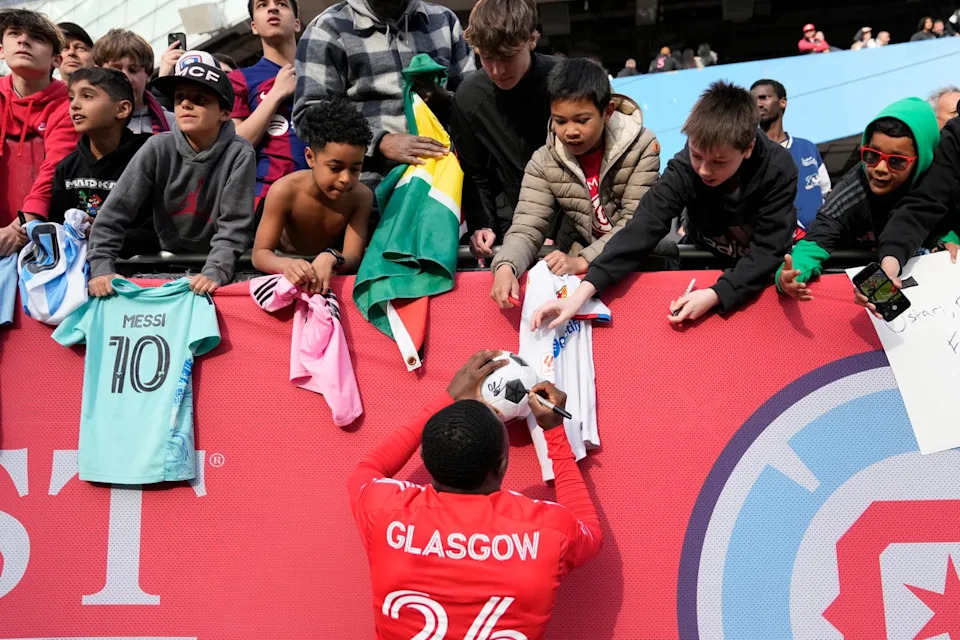
Glasgow plays for MLS side Chicago Fire (Getty)
And it’s not just the men’s game being focussed on; the federation’s commitment to developing women’s football really stands out. In fact, when this grassroots revolution begun three years ago, the first youth tournament the GFF launched an under-15 girls competition. They’ve since introduced a 10-team women’s league.
Advertisement
Guyana international Annalisa Vincent, who had “no option” but to play with the boys growing up because, back then, there was “no structure” to grassroots football, notes that “there’s been a lot of progress” – but still wants to see more done. “There is only one yearly competition that is being played for women and that’s not enough.”
It’s infrastructure that remains the bottleneck in Guyana’s progression. In Guyana, there is currently just one astroturf pitch at the National Training Centre, opened in 2019. This is detrimental to grassroots football for one reason: the wet season. “Once the rain start falling, football essentially comes to a stop because all we have is natural grass community pitches,” Forde said.
While there are plans for new all-weather playing fields, there is a belief among top officials that investment into Guyanese football is not keeping up with its “rapid rate” of expansion, despite the country’s obvious economic edge. “We have the opportunity – I don’t like saying this – to outspend everyone,” Forde contended, whose federation still sees 85 percent of its funding come from Fifa. “I don’t know why this is not happening the way it ought to be happening.”
There are projects, crucially financed by commercial deals, that are coming along. Most notably, Guyana is finally getting a purpose-built national team stadium, the Blue Water Shipping Stadium, in its capital of Georgetown, which is on the verge of issuing the tender for its first phase of work. Delivering a “home of football” for the country is Forde’s legacy project.
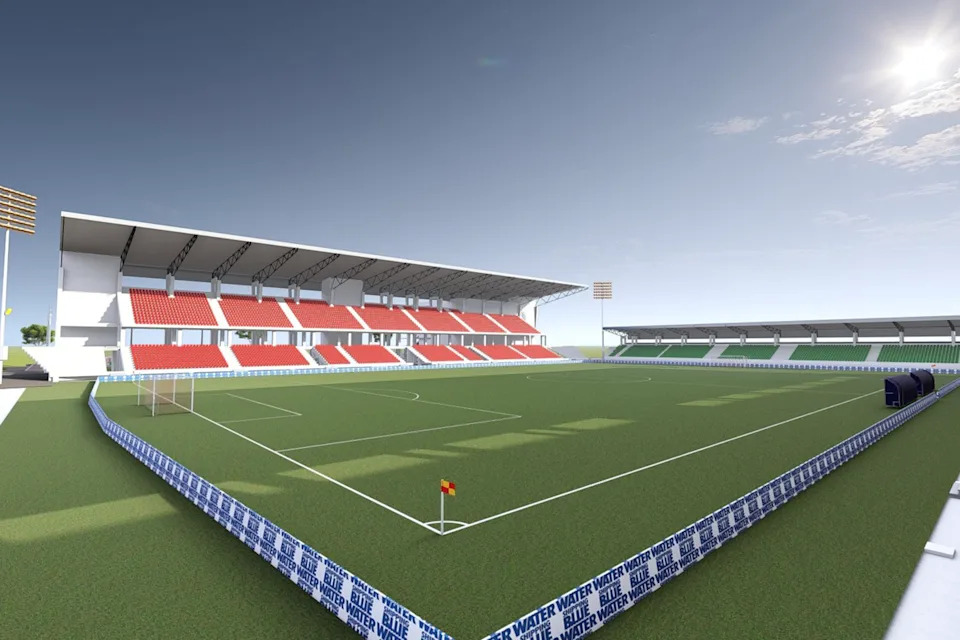
Design of the Blue Water Shipping Stadium set to be built in Georgetown (Guyana Football Federation)
The setup has also stepped up its game as a brand; Guyana’s kit deal with Meyba in 2024 finally allowed their overseas diasporas to buy and rep their jersey, such as rapper Central Cee, who showed off the yellow number to his millions of followers soon after it went on sale.
Advertisement
Thomas Dooley, who was Guyana national team manager at the time of interviewing, fascinatingly showed he had quite the football business brain on him. Beyond just his German-style possession-based tactics, influenced by his 10-plus years as a Bundesliga stalwart, he stressed the importance of sponsors and looked to implement his own changes in a bid to attract them. It could be as simple as making sure his players were all wearing coordinating uniforms on duty. “You need to be recognised when you go outside,” he said.
Dooley also spoke candidly on the need to bring football to younger age groups – for him, it was telling that “you have kids who are 17 years old and can’t touch a ball” – while heavily advocating the inclusion of quality players from overseas. “If the first team has a little cough, the youth team dies, so you have to make them the best,” he said. “They have to bring in the money, they have to bring the attraction.”

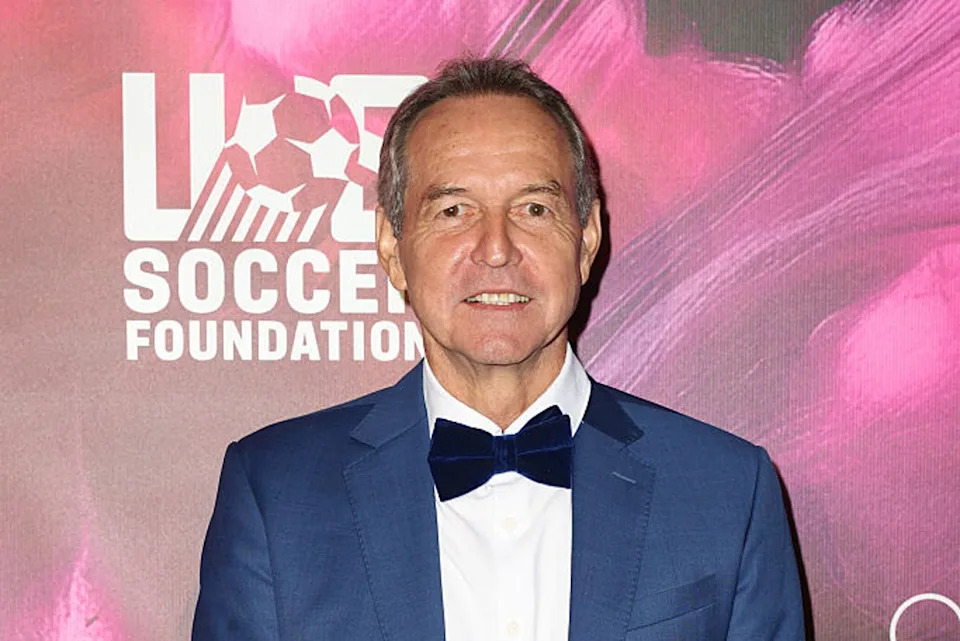
Thomas Dooley brought impressive experience to the Guyana dugout (Getty)
But it was after our interview that Dooley made his most telling statement. He resigned from his job.
Advertisement
The minnow ‘lottery’
Dooley’s exit, ending his tenure at nine months, was abrupt. He had been lured away by another opportunity. “It was heartbreaking to see Coach Dooley leave us, prematurely as he did,” Forde said. “He didn’t try to hide … I had to be fair with him. I said to him, ‘As a coach, I would love to have you here, but I know we can’t compete with some of the offers that you’re getting.’”
This twist of fate underscored the fragility that comes with being a smaller national setup. Dooley, a former assistant to Jurgen Klinsmann in the USA national team setup, was highly regarded by his players and injected a European discipline into Guyana that counter-acted, as Moriah-Welsh described, the “Caribbean thing” of poor organisation. Dick Advocaat did the same with Curacao.

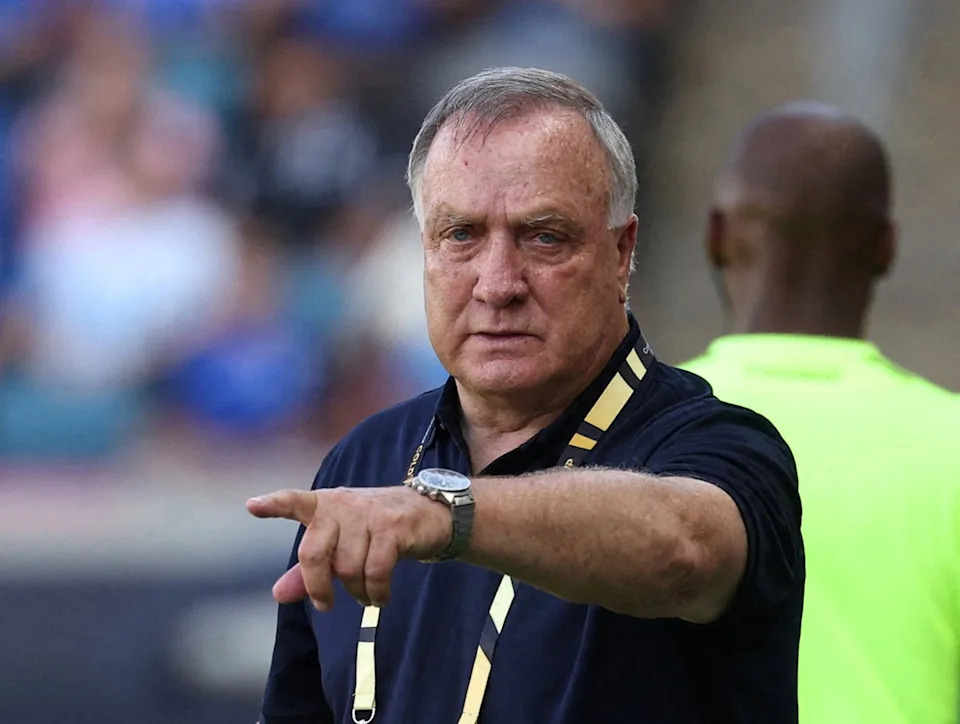
Dooley’s injection of European discipline drew parallels to Dick Advocaat at Curacao (Reuters)
The GFF was seen to be punching up with Dooley; now it’s back to the drawing board and to the uncertainty of the managerial market. “It is really and truly a lottery,” Joseph recognised. “Just ask Chelsea.”
Advertisement
Danns, who now manages National League North side Southport, had vastly contrasting experiences with different Guyana managers he worked under. He had nothing but praise for fan favourite Jamaal Shabazz, who has spent four different stints in charge of the Golden Jaguars, but described one the Trinidadian’s successors as “way off it”, labelling him “an opportunist that got in the job”.
Ill-fated appointments are part and parcel in football but at this level, with so few proven options available, smaller nations are often left with no option but to chance it.
‘Set the home in order’
As the GFF looks to minimise turmoil in the dugout, the upper brass are also faced with the long-standing challenge of tightening off-pitch operations.
Advertisement
GFF general secretary Pushpargha Chattopadhay last year stepped into a role that had been clouded by his predecessor’s sins, with Ian Alves hit with a five-year ban from all football-related activities by Fifa at the beginning of May for sexually harassing female staff members. It’s an ugly association for the federation.
“Most organisations, their first instinct would be to keep this quiet and we felt that this would send the wrong signal because these things need to not happen,” Forde said, defending the GFF’s handling of the situation. “Once you make a decision to behave badly and it comes to our attention, and we can prove it through proper and appropriate investigations, you will be held accountable.”
But in the GFF’s bid to turn a new leaf, Chattopadhay has been fighting an uphill battle to win public support from the moment of his appointment.
His body of work in India, another country without much footballing pedigree, drew the ire of critics who felt this experience did not justify overlooking Guyanese alternatives. There were also questions surrounding Fifa’s advisory role in the appointment and whether the GFF were being politically influenced by outside interests. Chattopadhay refuted this: “(The GFF is) absolutely independent. Fifa don’t impose themselves and we don’t let anyone impose themselves on us.”
Advertisement
Shutting out the outside noise, Chattopadhay’s goal is clear: “set the home in order”. Having branded the state of football administration upon his arrival as “nascent and raw”, he is out to clean things up.
The GFF’s reputation is still hurt by historic financial controversies. Forde declared that, during his presidency, he has “been able to take away that narrative of people stealing the money and converting the resources to their own benefit”, akin to the corruption scandal that engulfed Trinidad and Tobago and the entirety of Caribbean football in 2011. But a scandal surrounding unpaid wages to players in 2024 means that questions of transparency continue to linger within public discourse.
Leon Cort, who played in an era when “acts of impropriety … dogged the organisation”, still maintains he has “reservations” over whether those behind the scenes nowadays “know what they’re doing fully” when it comes to spending any newfound wealth wisely.
The federation fights accusations of a lack of transparency and accountability by publishing their annual audits on their website. “There are no secrets, only sensitive information – that has to be protected, as is the case with every organisation,” insists Chattopadhay.
Advertisement
For his part, Chattopadhay is said to have “re-established trust in the working environment” post-Alves. Now comes the task of winning the trust of the masses, which will not be achieved through politics. All this talk of progression needs to be translated into results.
The dream of a World Cup miracle
In Guyana’s current state, you can’t predict if or when those results will come. They are not foreseeable. But they weren’t foreseeable for Curacao either.
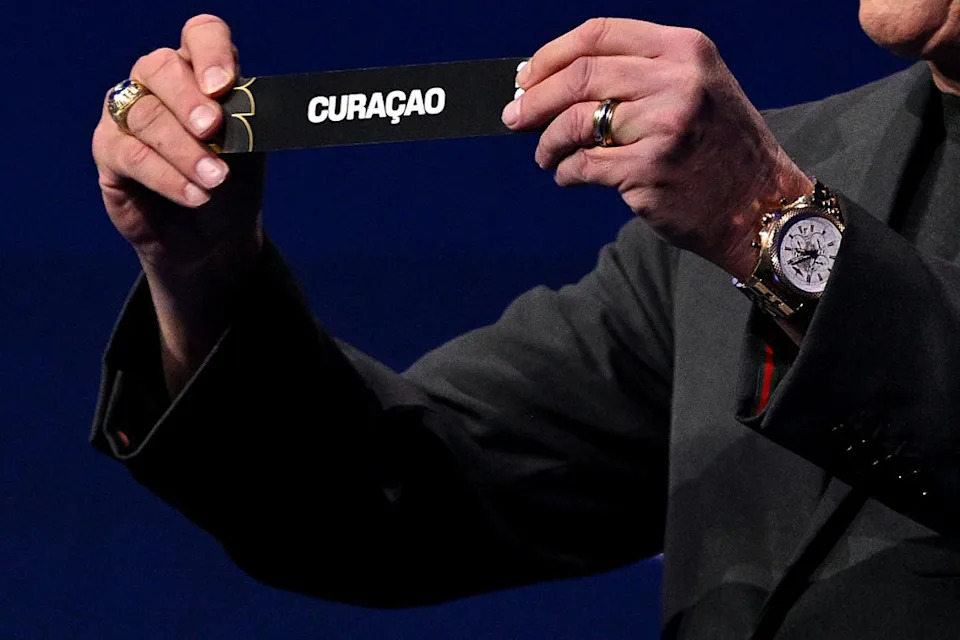
Curacao’s rise rules out the concept of impossibility in Caribbean football (Getty Images)
In 2014, Curacao were ranked 21st in the Concacaf rankings; lower than where Guyana are now. Nobody dreamed of them qualifying for a World Cup. Their achievement rules out the concept of impossibility in Caribbean football, and from speaking to players and key figures, past and present, there is actually belief that the Golden Jaguars can pull off a similar rise in years or decades to come.
Advertisement
“Guyana has the pedigree. We have the raw talent,” Forde affirmed. “ I believe the first time that we break into the World Cup at either the senior women’s or men’s level, we’re going to stay there stay there.” This brash optimism in itself is incredible given how little joy the country has had with the sport in its history.
It’s a feeling that is captivating an entire region – Guyana are not alone in feeling that football’s grandest stage is no longer completely out of their reach. Money could be their trump card, but others will be developing their own.
Now, Forde heads to Mexico City for the World Cup opening ceremony. He is bracing for mix of emotions to boil up when he sees Curacao’s colours: “A little bit of envy, a little bit of excitement.” The feeling will be collective among a smattering of footballing chiefs inside the Azteca. They all believe their minnow can be the next World Cup miracle.
Read the full article here


