




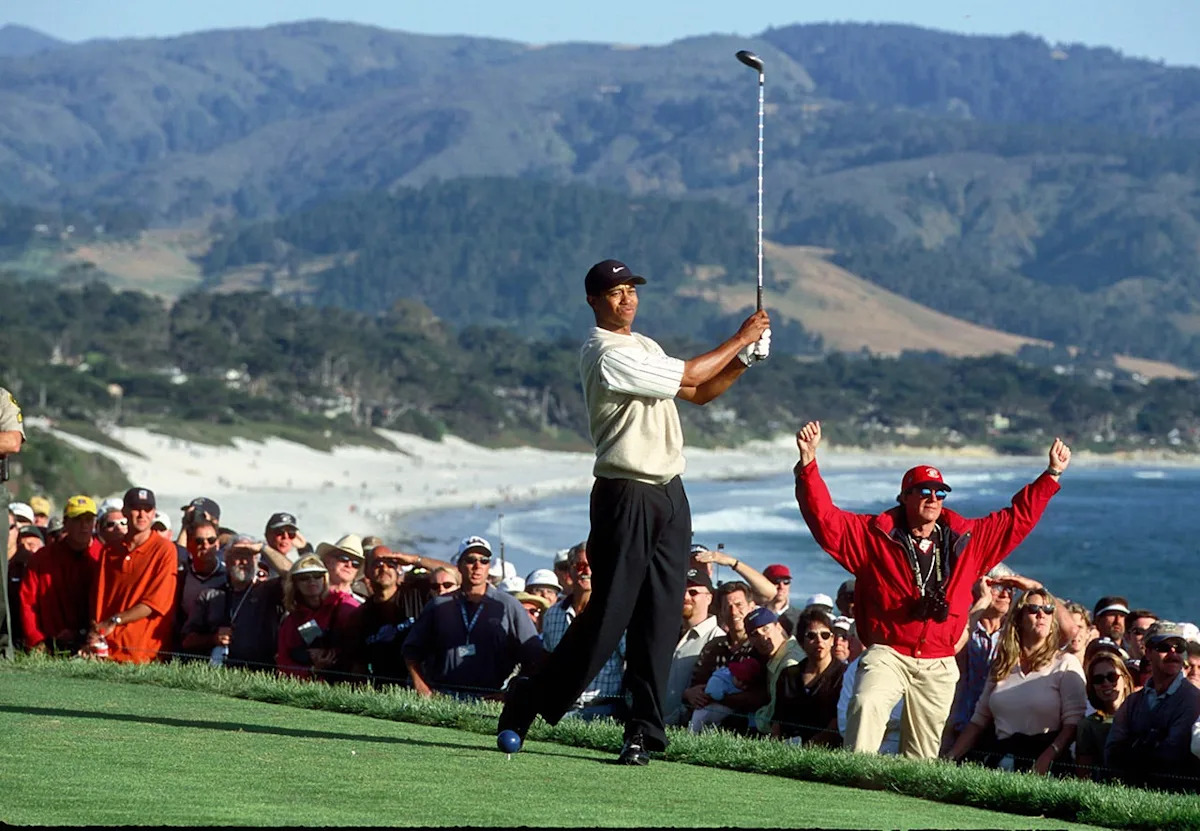
All the elements are in place for a stirring week at Shinnecock Hills, one of golf’s most revered and demanding stages. This year’s U.S. Open promises its share of drama, and yet, history sets a daunting bar. To break into the tournament’s most unforgettable moments — our top dozen — requires something extraordinary.
These rankings will always invite debate, shaped by personal perspective and shifting eras. But what remains beyond dispute is the staying power of the moments that made the cut — each etched into the fabric of the U.S. Open.
Advertisement
Here’s our rundown:
12. Hale Irwin’s victory lap at Medinah in 1990
MEDINAH, ILLINOIS – 1990: Hale Irwin of the USA celebrates victory with a lap of honour on the 18th hole during the 1990 US Open held at the Medinah Country Club, in Medinah, Illinois, USA. (Photo by Stephen Munday/Getty Images)
Hale Irwin arrived at Medinah on a special exemption, a former champion trying to summon one more run. By Sunday, he was still four shots back — but the back nine turned into something electric. A closing 31, punctuated by a 45-foot birdie at the last, sent him into a moment that lives on as much for what followed. Before it was technically over, Irwin was already high-fiving the gallery on a spontaneous victory lap, while Mike Donald — grinding, still hanging on — fought his way into a playoff. Donald forced that extra day, only to lose on the 91st hole, the first sudden-death finish after an 18-hole playoff in U.S. Open history. At 45 years and 15 days, Irwin became the oldest champion at the time — a throwback performance sealed with a flourish.
Advertisement
11. Bobby Jones falters before winning Monday playoff by 23 strokes in 1929

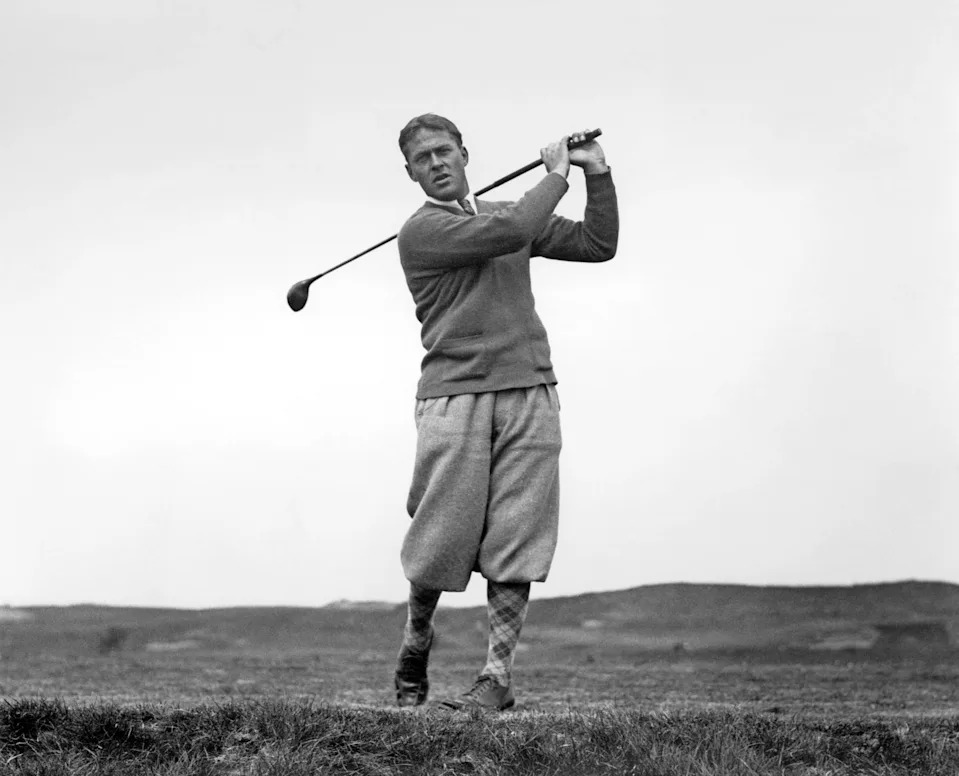
Bobby Jones
A year before his immortal Grand Slam, Bobby Jones authored one of golf’s most human — and ultimately dominant — victories at Winged Foot. With the tournament in hand, a three-shot lead slipped away under the weight of two triple bogeys and another misstep late on Sunday. But Jones refused to let it collapse entirely. A gritty par save from the sand and a nerve-filled putt on 18 forced a playoff. What followed was less drama, more declaration. Over 36 holes, Jones steadied himself and overwhelmed Al Espinosa with rounds of 72 and 69, lapping him by 23 shots and claiming what would become one of Winged Foot’s defining championships.
10. Tom Watson chips in at Pebble Beach in 1982

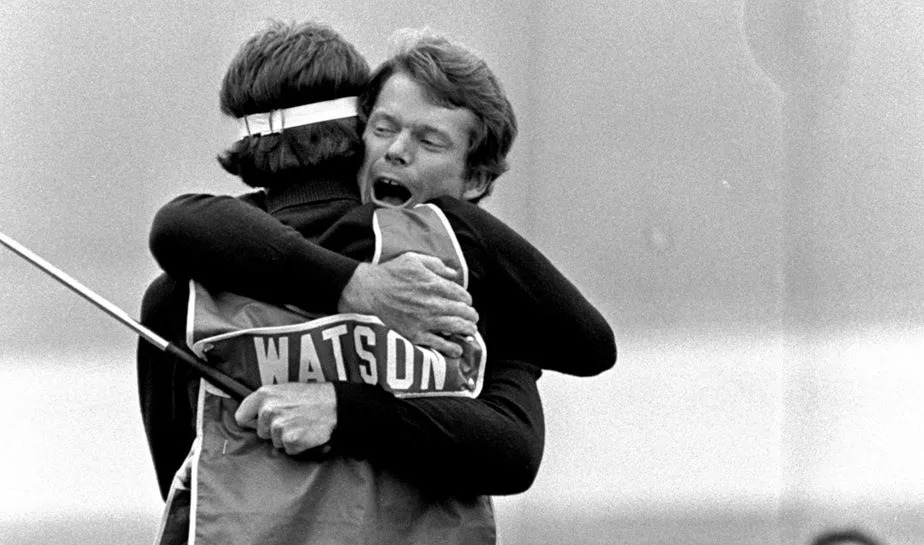
Tom Watson hugs caddie Bruce Edwards after winning the 1982 U.S. Open.
Watson stood behind the 17th green at Pebble Beach, staring down a delicate chip with Jack Nicklaus seemingly in position to claim another title. His caddie, Bruce Edwards, urged caution. Watson refused. “I’m not going to get it close,” he said. “I’m going to make it.” The chip dropped, and pandemonium followed — Watson jogging up the fairway, arms raised, momentum fully seized. A closing birdie at 18 finished the job, giving him his first U.S. Open and sixth major, and delivering a moment that still feels like it belongs on film.
Advertisement
9. Bryson DeChambeau’s bunker shot at Pinehurst outduels Rory McIlroy

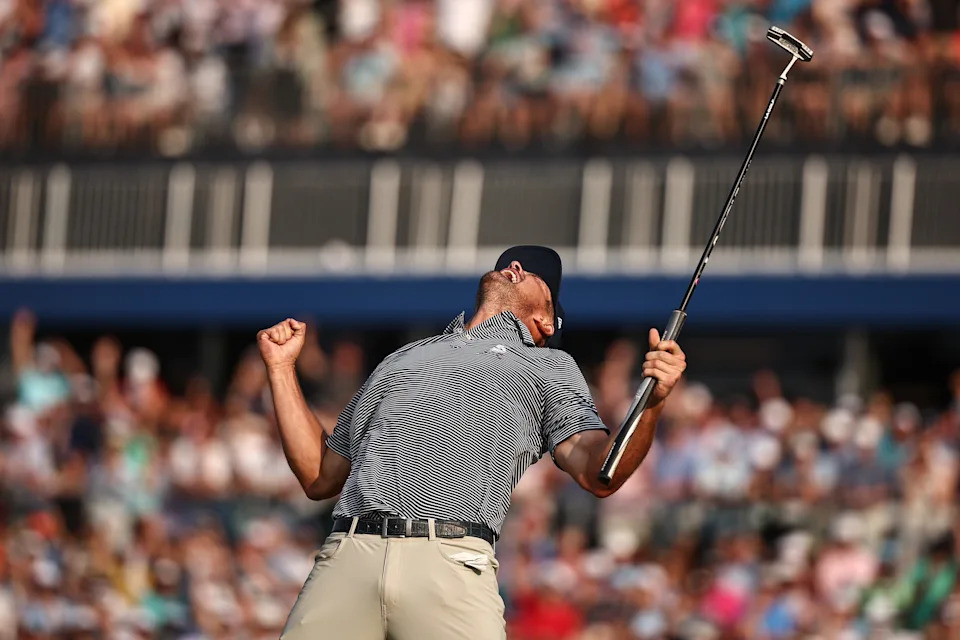
Bryson DeChambeau celebrates making a par on the 18th green to win during the final round of the 124th U.S. Open at Pinehurst Resort on June 16, 2024 in Pinehurst, North Carolina.
DeChambeau summoned a brilliant bunker shot that hit in the upslope of the 18th green at Pinehurst and fed toward the back-right hole location as if guided by satellite. His ball stopped 4 feet below the hole and the putt rolled straight and true. “That bunker shot was the shot of my life,” DeChambeau said. It closed out a final-round 1-over 71 at Pinehurst Resort & Country Club’s No. 2 Course and a one-stroke victory over Rory McIlroy, who missed two short putts and made bogey on three of the final four holes.
8. Ben Hogan brings The Monster to its knees in 1951

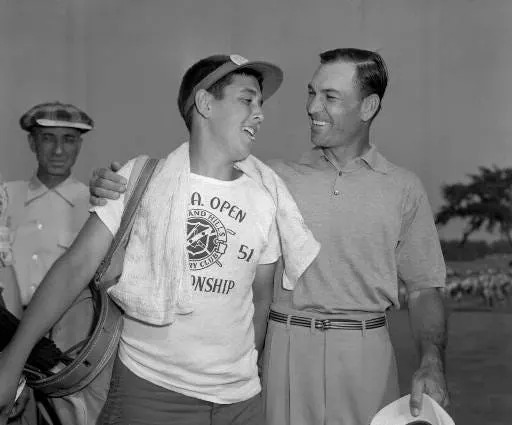
Ben Hogan, right, hugs his caddy, Dave Press, after winning the U.S. Open golf tournament in Birmingham, Mich. on June 16, 1951.
At Oakland Hills, the U.S. Open found its defining identity: narrow fairways, suffocating rough, greens that demanded perfection. Players staggered through it. Ben Hogan did not. Already a two-time champion entering the week, Hogan turned precision into dominance, methodically breaking down the course before closing with a 67 that stood apart from the field. Only one other player managed a sub-par round all week. At the trophy ceremony, Hogan’s now-immortal words captured it perfectly: he hadn’t just won — he had conquered something formidable.
Advertisement
7. Johnny Miller shoots final-round 63 at Oakmont in 1973

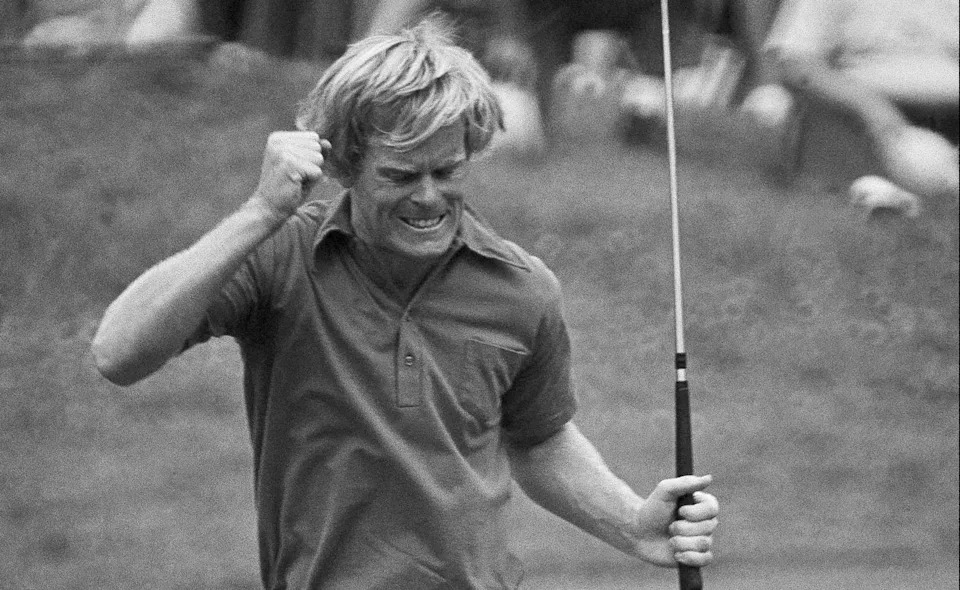
Johnny Miller, South Carolina golfer who burned up Oakmont, Pennsylvania, course on Sunday, June 17, 1973 with a 5-under par 279 and a record 63 for today’s round, takes over early lead of the U.S. Open Golf championship.
Oakmont rarely yields brilliance easily, which is why Johnny Miller’s Sunday 63 still resonates so powerfully. Six shots off the lead to start the day, he arrived with little margin for error and produced one of the finest ball-striking displays the game has seen. Birdies came in waves, chances kept falling, and by the time he finished — just narrowly missing another at 18 — he had posted the first 63 in major championship history. It held up, barely, and in the decades since, even as others have matched the number, few rounds have matched the context or control.
6. J.J. Spaun drains long putt for improbable victory
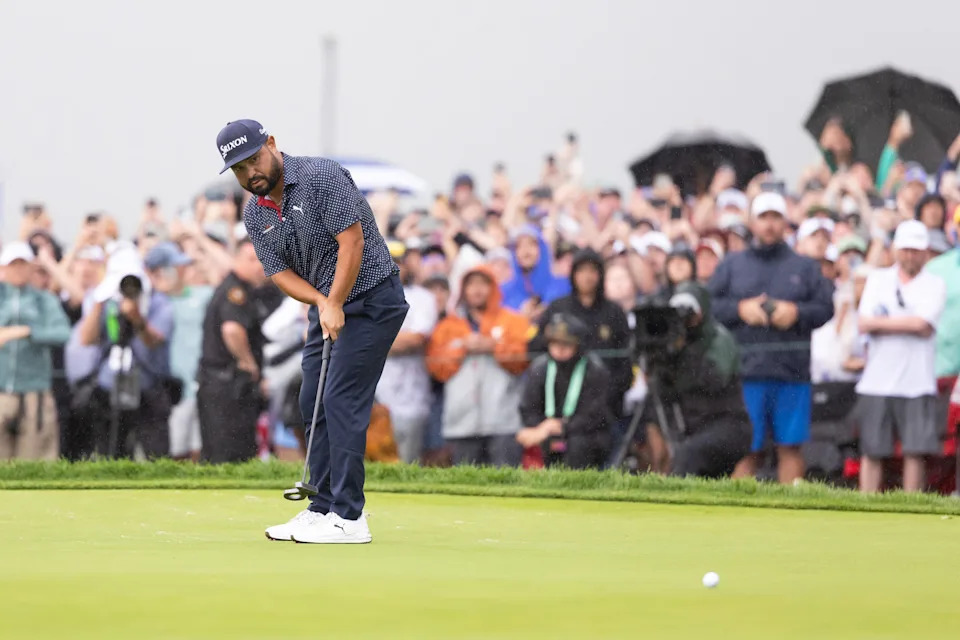
J.J. Spaun watches his 65-foot putt on the 18th green to win the 2025 U.S. Open.
An incredible 64-foot birdie putt on the par-4 18th hole capped off a 3-under 32 for Spaun on the back 9 at Oakmont and earned the California native an improbable title. Spaun finished the tournament at 1 under, the only golfer in red numbers and two shots ahead of Scotland’s Robert MacIntyre, who made a late charge to the top of the leaderboard after being nine shots back early in Sunday’s final round.
Advertisement
5. Tiger Woods makes 12-foot putt to force 2008 playoff

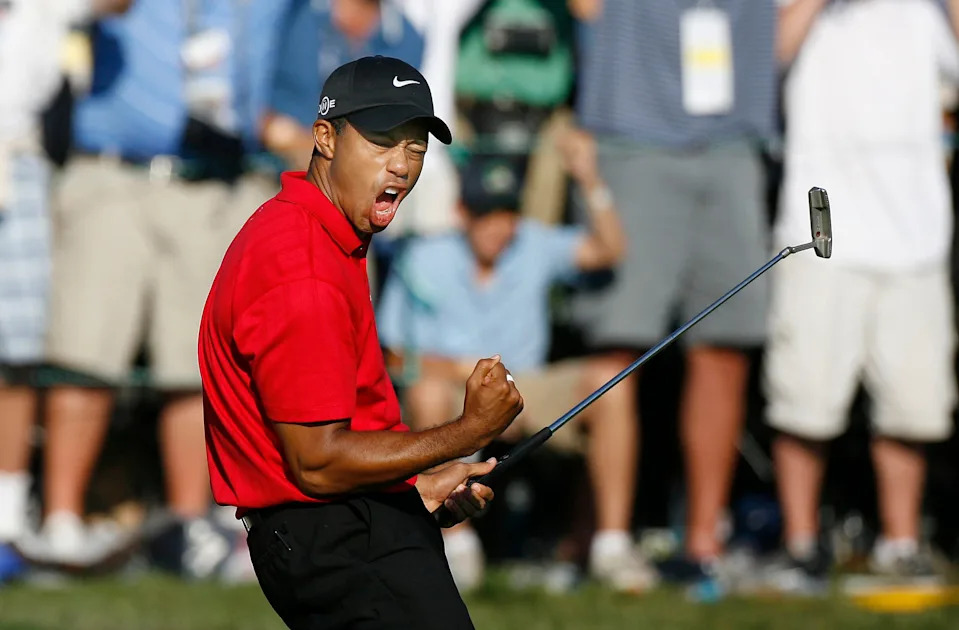
Tiger Woods celebrates after making a birdie on the 18th green to tie Rocco Mediate for the lead and force an 18 hole playoff at the final round of the 2008 US Open Championship at Torrey Pines.
Torrey Pines in 2008 delivered drama at every turn, but one image endures: Tiger Woods, barely able to walk comfortably on a fractured leg, standing over a downhill 12-footer on the 72nd hole. Miss it, and it’s over. Make it, and Monday awaits. He made it — pure, center cup — before unleashing one of the most recognizable fist pumps in sports. That putt forced the playoff he would go on to win, capturing his 14th major and, in hindsight, closing a chapter as his final one.
4. Jack Nicklaus hits pin with 1-iron at Pebble Beach in 1972

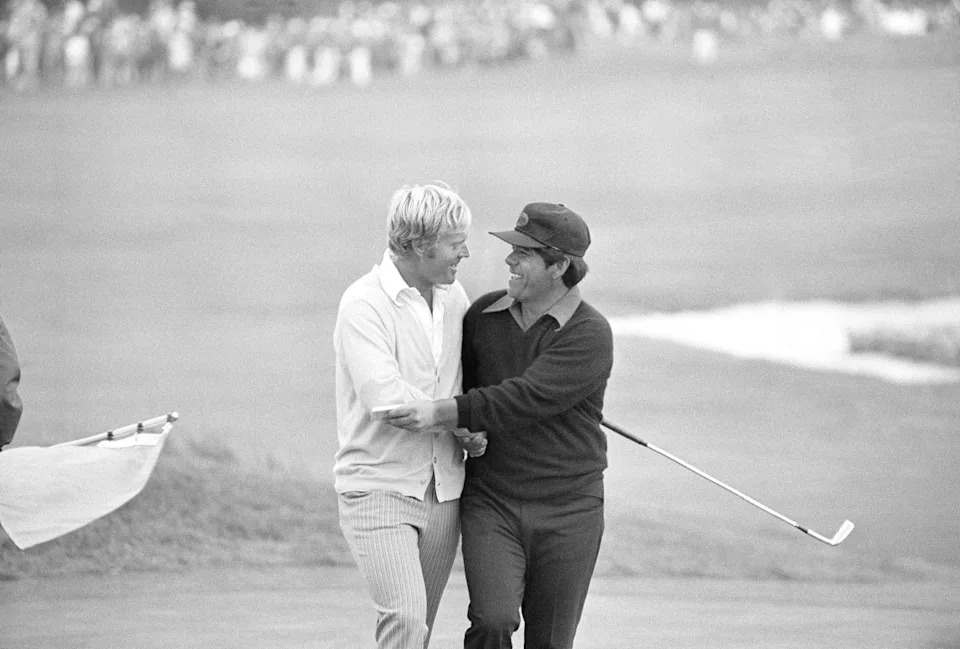
First to congratulate Jack Nicklaus on his victory in the U.S. Open at Pebble Beach was the man he deposed, Lee Trevino, who won the 1971 title in an 18-hole playoff with Nicklaus, June 19, 1972. They’re walking off the 18th green after Nicklaus captured the title by three strokes with a two-over-par 290 total.
Some shots transcend time, and Nicklaus’ 1-iron at Pebble Beach is one of them. Into the wind, on the iconic 17th, he struck a shot so pure it slammed into the flagstick and settled inches away. The tap-in birdie was decisive, but the image became eternal — replayed for generations, reinforcing both Nicklaus’ supremacy and Pebble Beach’s place in championship lore.
Advertisement
3. Tiger Woods dominates at Pebble Beach in 2000

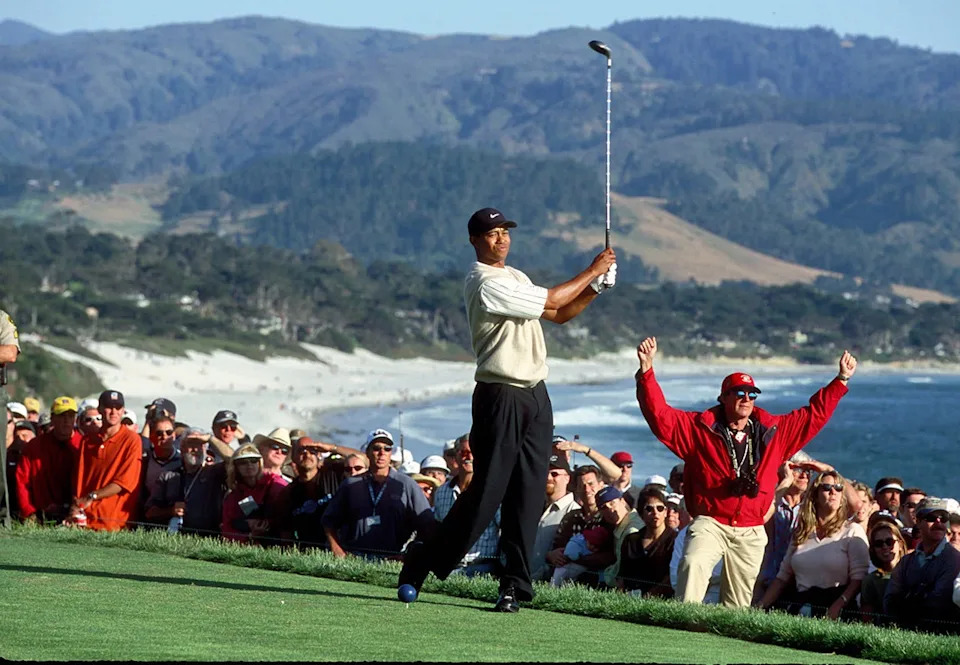
Tiger Woods at the 2000 U.S. Open at Pebble Beach. (Photo: Brian Spurock/USA TODAY Sports))
Dominance rarely looks like this. Woods didn’t just win — he reshaped expectations. A 12-under total on a course that punished everyone else, a 15-shot margin that bordered on absurd, and stretches of golf that felt untouchable. While others battled survival, Woods controlled every variable — trajectory, spin, tempo — turning Pebble Beach into a personal showcase. It remains one of the most overwhelming performances in the history of the game.
2. Amateur Francis Ouimet takes down legends at The Country Club in 1913

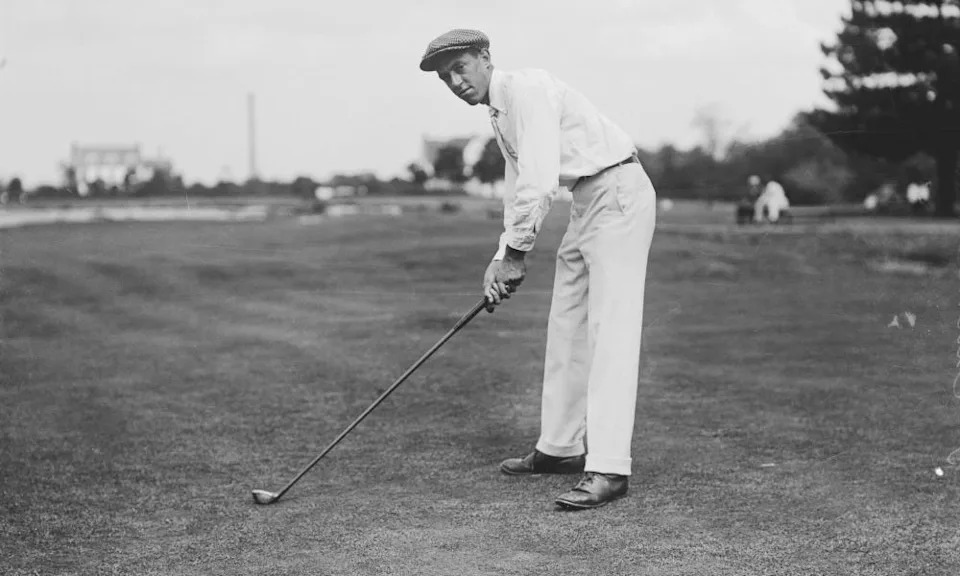
Francis Ouimet was the first amateur to win the U. S. Open, doing so in 1913 at The Country Club in Brookline, Massachusetts.
Every sport has its origin story. For American golf, this is it. Francis Ouimet, a 20-year-old amateur who grew up across the street, stood alongside his 10-year-old caddie and toppled Harry Vardon and Ted Ray in a playoff. The image became iconic, but the impact was even larger — it pushed the U.S. Open, and the game itself, into the national spotlight. More than a century later, it still reads like myth, even though it was very real.
Advertisement
1. Arnold Palmer, Jack Nicklaus, Ben Hogan battle in 1960

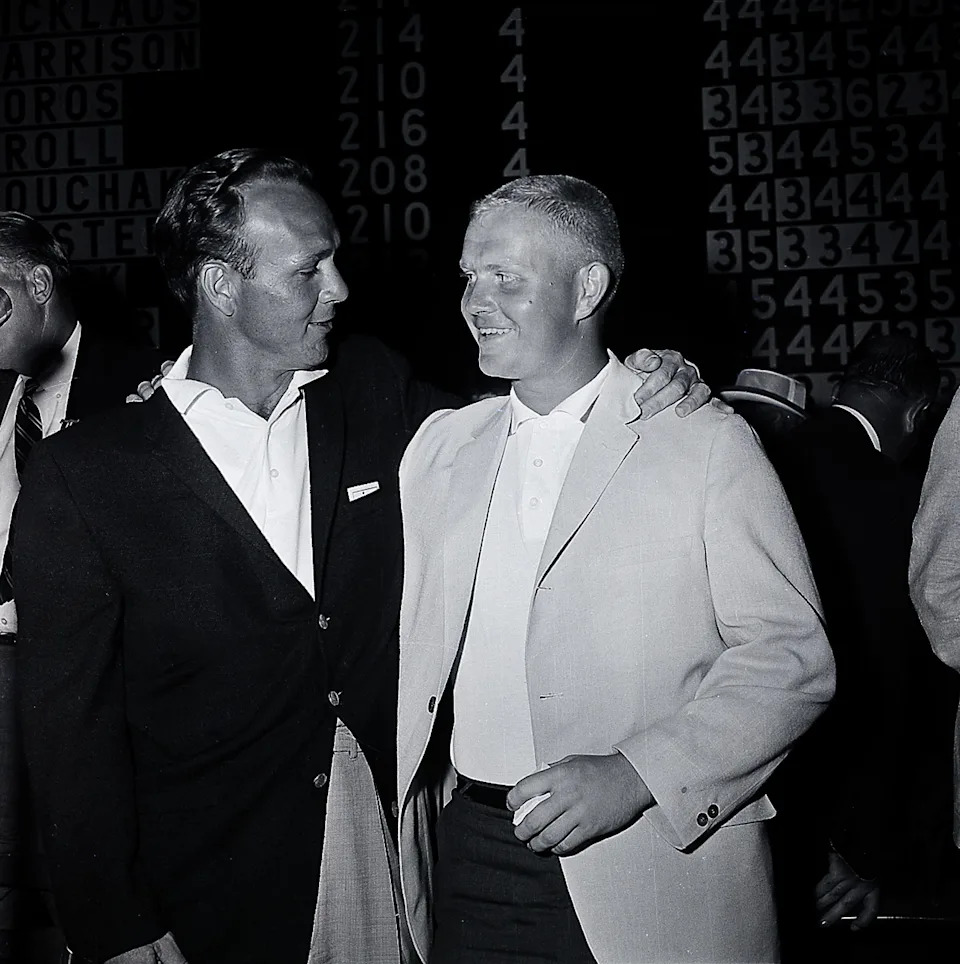
Arnold Palmer, left, winner of the U.S. Open Championship, congratulates Jack Nicklaus, the U.S. Amateur champion who placed second, at Cherry Hills Country Club in Denver, Co., on June 18, 1960. Palmer won with 280 to Nicklaus’s 282.
Cherry Hills in 1960 feels less like a tournament and more like a passing of eras. Arnold Palmer charged from behind with a fearless final-round 65 — ignited by a bold opening drive that set the tone. Behind him, Ben Hogan — 47 and chasing history — faded heartbreakingly, while a 20-year-old Jack Nicklaus made his presence felt in ways that hinted at the future. Palmer ultimately prevailed, but the week belonged to all three. It remains one of the most significant stages the U.S. Open has ever produced — a collision of generations that still echoes through the game.
Tim Schmitt is the managing editor of Golfweek. Multiple Golfweek writers contributed to this story.
This article originally appeared on Golfweek: The 12 greatest U.S. Open moments in golf
Read the full article here


