


- Telematics showed drivers used phones within 30 seconds before impact in 8% of two-vehicle crashes and 7% of single-vehicle crashes.
- Police reports noted cellphone use in under 1% of crashes, at least seven times fewer than telematics indicated.
- IIHS matched nearly 17,000 crashes from 2021–2024; police and telematics agreed on phone-use type in exactly three cases.
The Insurance Institute for Highway Safety says police officers are missing the single biggest clue at most crash scenes: the phone in the driver’s hand. A new study out August 27, 2026 puts a number on that blind spot.
IIHS researchers matched anonymized telematics data from Cambridge Mobile Telematics against nearly 17,000 police-reported crashes in four states between 2021 and 2024. What they found undercuts how the country tracks distracted driving.
Police Reports And Cellphone Use In Crashes
Telematics from safe-driving apps showed drivers were on their phones in 7% of single-vehicle crashes and 8% of two-vehicle crashes in the 30 seconds before impact. Police paperwork caught cellphone use in less than 1% of those same wrecks, a gap IIHS pegs at a factor of at least seven.
The mismatch shows up in the raw counts also. In two-vehicle crashes, telematics logged 590 instances of drivers handling their phones right before impact. Officers noted just 17. Single-vehicle crashes told the same story: 49 telematics-confirmed instances against three noted in reports.
David Harkey, IIHS’s president, said it is “widely accepted that police reports often fail to capture the role of cellphones in crashes,” pointing to phone use witnesses cannot see and drivers who will not admit to being distracted. Out of nearly 17,000 linked crashes, police and telematics data agreed on the type of phone use in exactly three.
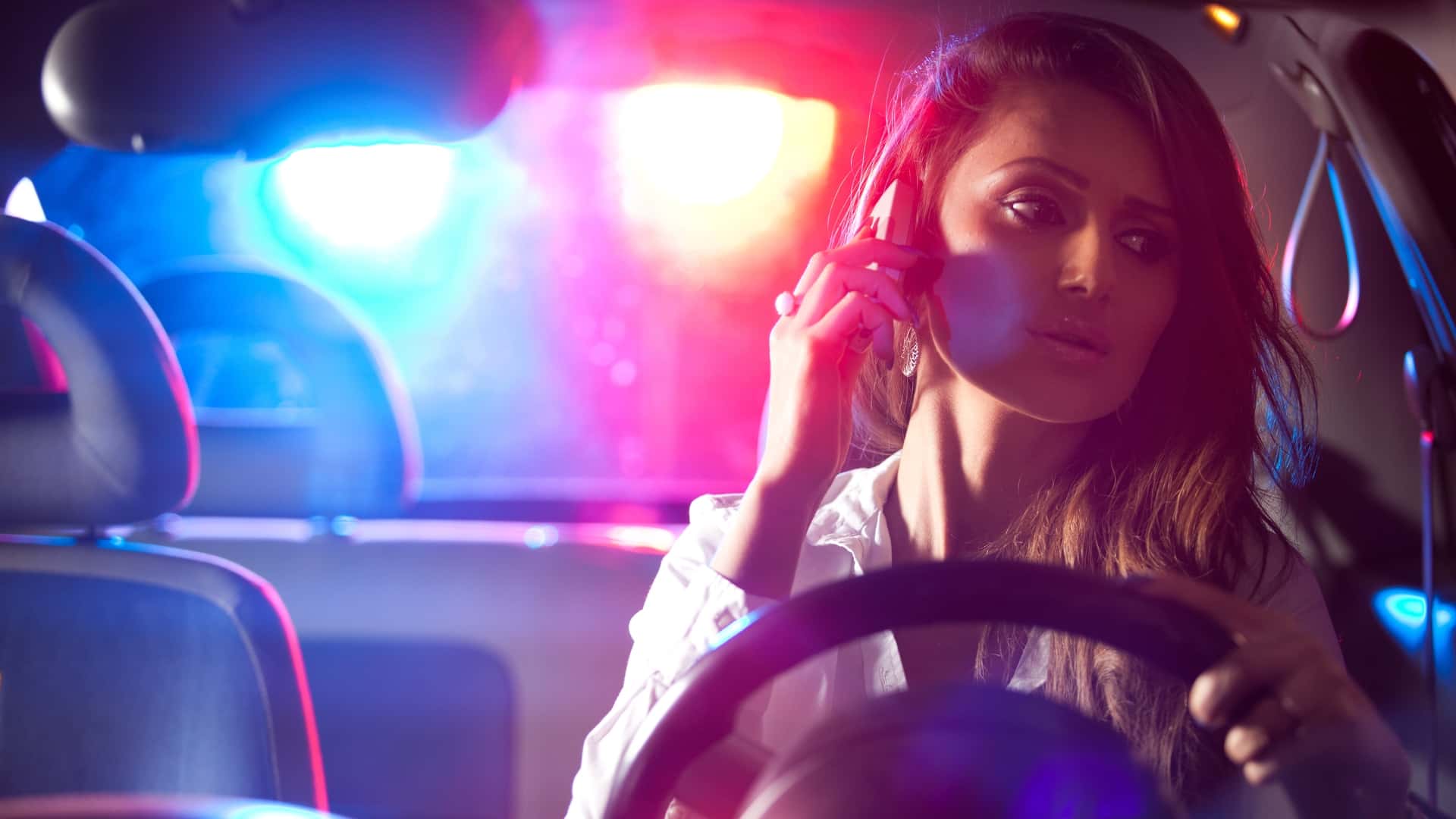
Man using mobile phone while driving
Why Crash Reports Undercount Distracted Driving
Part of the problem is that phone use does not always look like typing. The study found passive use, like a call running in the background, was about as common as active tapping or scrolling in the final half-minute before a crash. Neither shows up well in a witness statement or a bent bumper.
Aimee Cox, an IIHS research scientist, put it bluntly: “The apps may be new, but the danger is not. Any phone use that takes a driver’s eyes off the road can increase crash risk.” That tracks with a separate IIHS survey where nearly a quarter of drivers admitted to watching a video behind the wheel in the prior 30 days, a habit unlikely to survive a roadside conversation with police.
For fleet managers and insurers who lean on crash-report data to judge risk, that is a real problem as the paperwork undercounts the hazard officers already know about, from phone-related tickets to distraction-linked crash trends. Telematics, and features like in-app driving alerts, may end up filling the gap official records leave behind.
Motor1’s Take: The mismatch matters for anyone who uses crash reports to judge risk: Insurers, fleet managers and policymakers relying on police paperwork are likely understating phone-related danger. Adding telematics to the evidence mix would give a fuller, more accurate picture of driver behavior and help target interventions and enforcement.
Read the full article here