




My version of an All-Time Historical Chicago Bears team is composed largely of standout players from the Bears’ rich history. With only a few exceptions, each player on my roster is representative of a “special” season for Chicago – be it 2025, 2018, 2010, 2006, 1985, or even 1963. This, along with an emphasis on the 3rd phase of the game, was the inspiration for my team’s name. You may have seen some other teams recently, but allow me to introduce you to an ELITE squad known as the Special Bears Unit, dun dun…
Chicago & Football – Special Bears Unit
OFFENSE
QB – Mitch Trubisky (19th Round): The lead signal-caller for the Bears in 2018 will never be Patrick Mahomes, but he still had a sneaky productive 4 seasons in Chicago despite resistance from his head coaches to start and end his run. Trubisky reached the Pro Bowl in 2018, holds the 5th spot in all-time career passing yards for Bears quarterbacks (10,609), and offers flexibility and playmaking with his legs.
Advertisement
RB – Matt Forte (2nd Round): A 2-time Pro Bowler who represented the 2010 team that reached the NFC Championship, Forte was somehow underrated in his time. I definitely placed high value on his rushing and receiving upside in our draft, taking him with the first pick of the 2nd round to be the primary engine of the offense. Forte will be a tremendous luxury for Trubisky to lean on.
*RB – David Montgomery (17th Round): As you’ll see below, the player I selected to fill the Special Teams slot on my roster has the ability to get some WR snaps, and that allowed me to use my Offensive Utility pick on a RB for the best value. Montgomery joined the Bears right after 2018, so while he may never have had a “special” season in Chicago, he complements Forte incredibly well. I envision this backfield as another iteration of the “Sonic & Knuckles” duo Montgomery formed with Jahmyr Gibbs in Detroit. Montgomery will provide the ability to gain the tough yardage that was the real only missing piece to Forte’s game.

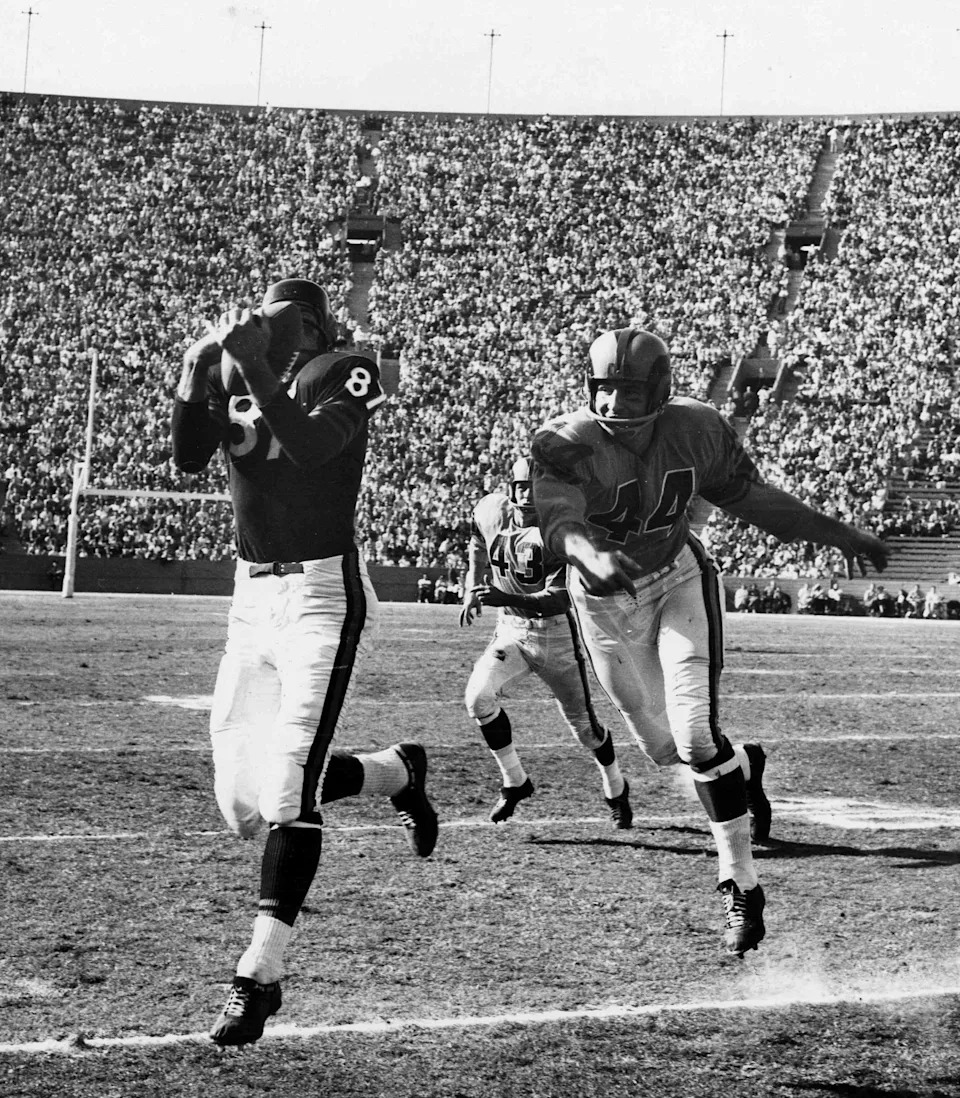
WR – Harlon Hill (5th Round): This Chicago Bears legend earned 3 Pro Bowl/all-star honors and 2 all-pro designations in his time. Amazingly, even though Hill played from 1954 to 1961, he still sits in 2nd place in both career receiving yards (4,616) and TDs (40) for the Bears. I was amazed to see he was still available when I was making my pick in the 5th round. One schematic bonus of this selection is that Hill technically played “end,” which would give him the positional flexibility to play either tight in-formation or spread out wide in the modern game.
Advertisement
WR – Allen Robinson (8th Round): Robinson is one of my favorite players in recent years and is another standout from the Nagy-era Bears. A-Rob was able to compile over 3,500 receiving yards in his 4 seasons in Chicago and perhaps most impressively, sits in 4th place all-time in receiving yards/game for the Bears (62.5). His size and demonstrated chemistry will definitely be a benefit to Trubisky too.
TE – Cole Kmet (7th Round): The first current-Bear selection for my team, Kmet fits really nicely into my offense as a jack-of-all-trades. He has great size and has demonstrated an ability to contribute to the run game as a blocker, but he also has caught passes from a number of Bears quarterbacks in his tenure, landing him at 19th on the Bears’ career leaders in receiving yards (2,939) and tied for 13th in TDs (21).
LT – Charles Leno Jr. (14th Round): I began to notice some offensive linemen flying off the board, and although I value the o-line greatly, I felt like there were some sleepers to be had in the later rounds when other positions may be a bit more dried up. One position I did prioritize however, was LT where I got ol’ reliable himself in Leno. Leno not only held down the blind for Trubisky in 2018 (making the Pro Bowl along the way) but remained sneakily dependable until his departure, playing 99% or more of all offensive snaps from 2016 – 2020.
LG – Teven Jenkins (24th Round): Jenkins never really lived up to expectations, largely due to injuries, but he was at his most productive when he was allowed to settle into the guard position for the 2023 and 2024 seasons. Late in this draft, I was happy to take Teven for an injection of a little nastiness on the offensive line.

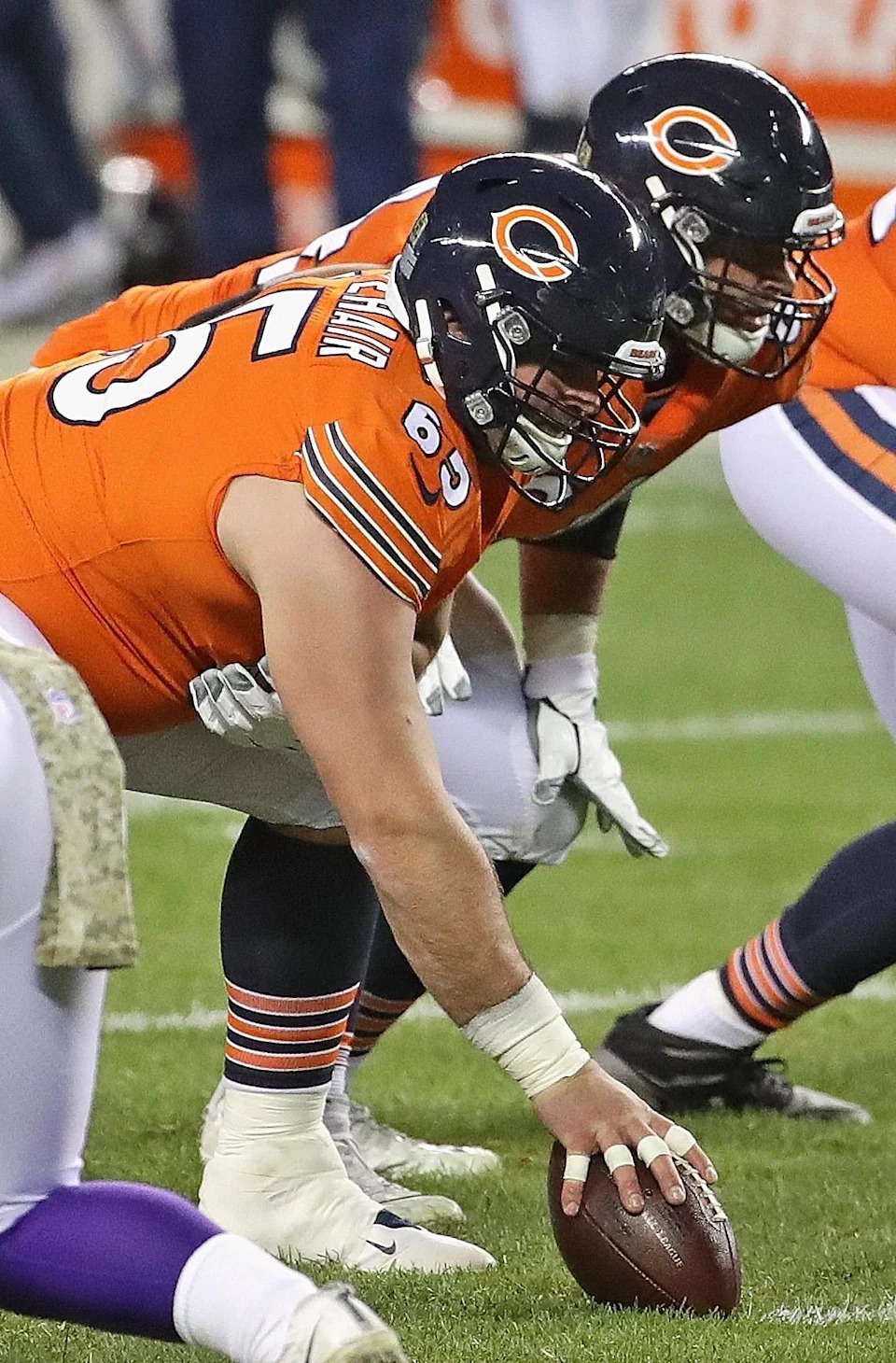
C – Cody Whitehair (9th Round): If it wasn’t obvious yet, this offense is primed to take shape as a supercharged version of what Matt Nagy put in place in Chicago. This extends to the offensive line as Whitehair was a Pro Bowler in 2018 alongside both Leno and Trubisky. One lasting memory of Whitehair for fans may be snap issues, however, I believe much of that can be attributed to him being pulled between the center and guard positions post-2018. With his attention solely at C, I feel he will be much better-suited to anchoring the o-line.
Advertisement
RG – Jim Cadile (23rd Round): Jim Cadile played 11 seasons in the NFL, all with the Bears from 1962 – 1972. He played 128 games, starting 112 of them, and was a member of the 1963 NFL Championship team. This late in the draft? Yeah, give me a guy who helped block for Gale Sayers, that’ll do.
RT – Bobby Massie (25th Round): Finally, as the person who ended up last in the draft order, I had the honor of selecting the “Mr. Irrelevant” of this draft. What was interesting is that with the way things shook out, I actually knew who my pick would be at least a few rounds before I would eventually make it. As everyone filled the OT slots on their rosters, I addressed other needs, and then it clicked – I’ll take the definition of a “sleeper” pick! Massie and Leno always seemed like a pairing with the way they held down the OT positions in Chicago from 2016 – 2020 so this is adds additional chemistry on top of Massie’s underrated ability.
DEFENSE

DE – Richard Dent (1st Round): My first pick in the draft had to be a Hall of Famer, and why not go with a Super Bowl champion at a premium position while I’m at it? Naturally, I went with the Bears’ all-time leader in career sacks in Dent. Dent also ranks 2nd in forced fumbles (33) behind only Charles Tillman, which is like having the 2nd highest score on a Pac-Man arcade cabinet behind the 1st place “Automatic Pac-Man Playing Machine” as far as I’m concerned.
Advertisement
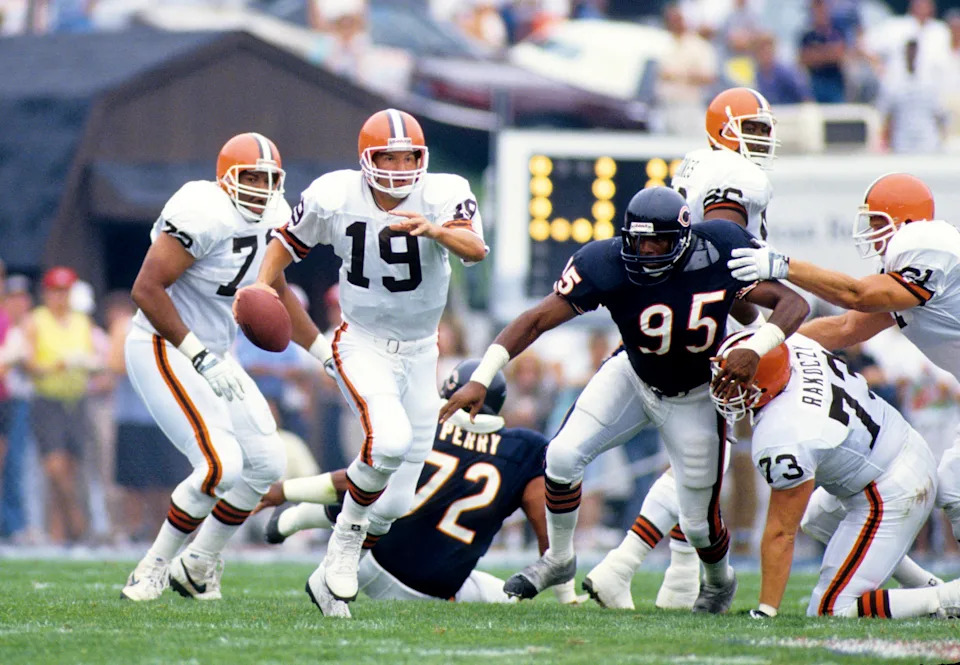
DT – William “The Refrigerator” Perry (13th Round): You’ll see shortly that after securing Dent, I placed my emphasis on a different level of the defense in the earlier rounds. That said, it was important to go digging for gems and boy did I find a massive gem here! The Fridge is another member of the legendary 1985 defense and helps bring a stout presence to the center of the d-line that will be difficult for the opposition to navigate.
DT – Israel Idonije (15th Round): A rotation player in 2006, Idonije is a rare example of a player quietly remaining on the roster for some time before blossoming into a quality starter later in their career, as he was a starter for the team by the time they returned to the NFCCG in 2010. With versatility to play inside and out, I opted to take him as a DT that can complement Perry’s size inside and really ratchet up the pass rush of this 4-man group. Idonije has long been an under-the-radar favorite of mine and he’s actually tied for 20th in Bears career sacks with both Perry and Tommie Harris at 28.5 and he’s tied for 7th (among available data) in tackles for loss with Julius Peppers and Roquan Smith at 47.
DE – Adewale Ogunleye (9th Round): Completing this defensive line with Super Bowl experience is Ogunleye, who you’ll find a few notches higher than Idonije on the TFL rankings in 4th place with 65 as a Chicago Bear. He also had 42 sacks and forced 12 fumbles, which would only have been amplified playing opposite a star like Dent.

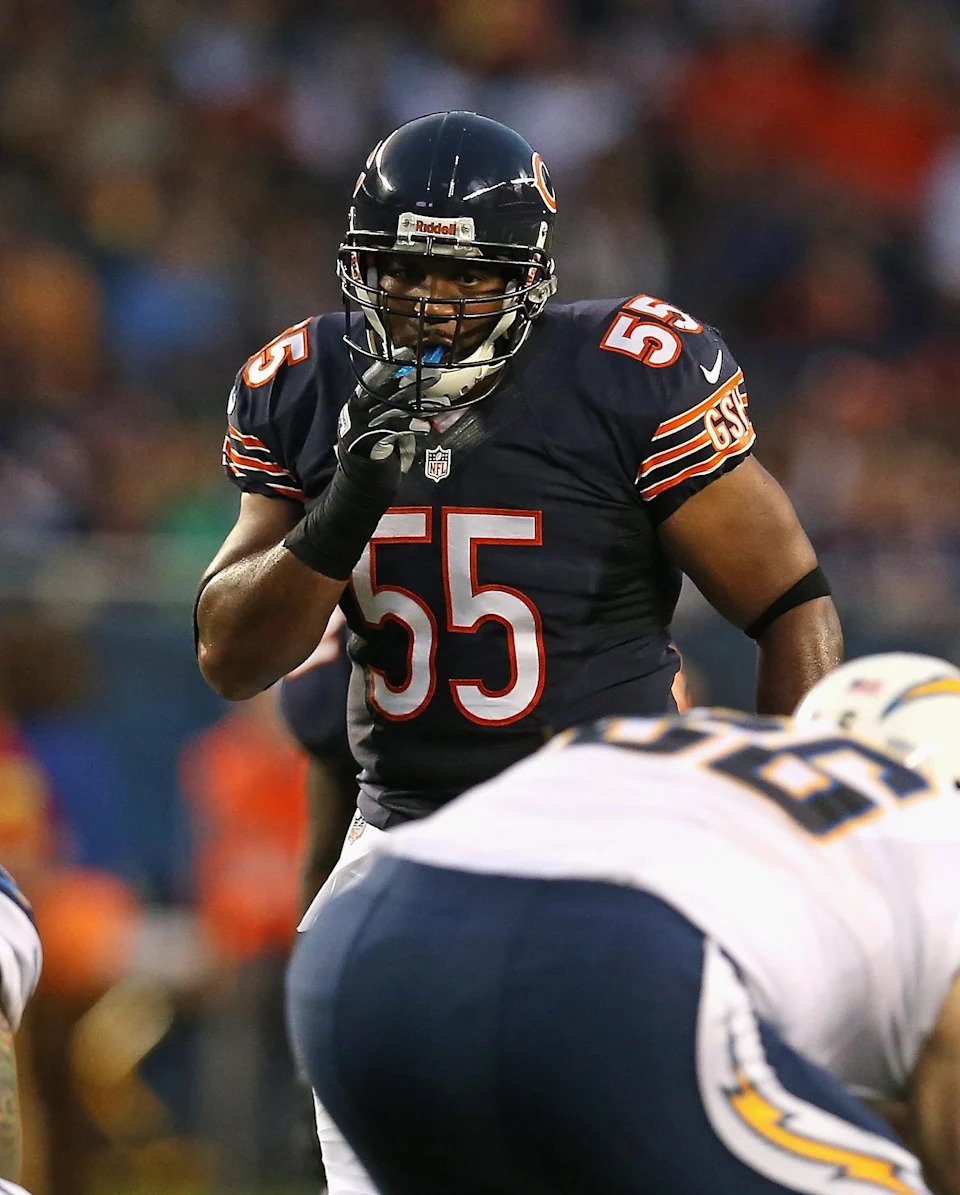
LB – Lance Briggs (4th Round): A key contributor to both the 2006 and 2010 teams, Briggs amassed 7 Pro Bowl nods and 1 All-Pro honor during his career with the Bears. As the 2nd time around in this snake-draft, I was THRILLED to be able to select him as one of my back-to-back choices along with my 3rd round pick. You’ll find Briggs’ name amongst the Bears’ defensive career leaders in TDs (2nd), passes defended (3rd), forced fumbles (3rd), tackles (2nd), and tackles for loss (2nd).
Advertisement
LB – Roquan Smith (6th Round): I teased it above, but selecting Smith was a decision based on value that really led to a strong linebacker corps. He notoriously never received accolades until after he left Chicago (although he was named to a Pro Bowl and the All-Pro team in 2022, when he split the season evenly between the Bears and Ravens), but Smith was a star from the jump. Pairing him with Briggs gives my defense the ability to match up with a variety of threats that opposing offenses might send our way.
*LB – T.J. Edwards (22nd Round): Late in the draft, I considered my options for filling my defensive utility slot, and similarly to offense, my approach became all about value. Even though I am confident in the range and ability of my two star linebackers, Edwards is a great compliment that can play opposite Briggs with Smith at the Mike in a 4-3 base. Injuries might have tarnished the view of Edwards as of late, but when healthy, he’s proven to be more than capable and, alongside Cole Kmet, represents the current era of the Chicago Bears.
CB – Leslie Frazier (10th Round): Frazier is the final representative of the 1985 defense on my team. With decent height for a boundary corner at 6’0”, Frazier demonstrated solid overall ball skills in coverage and was able to average 6 interceptions per year during his 3 seasons as a full-time starter for the Bears from 1983 – 1985.

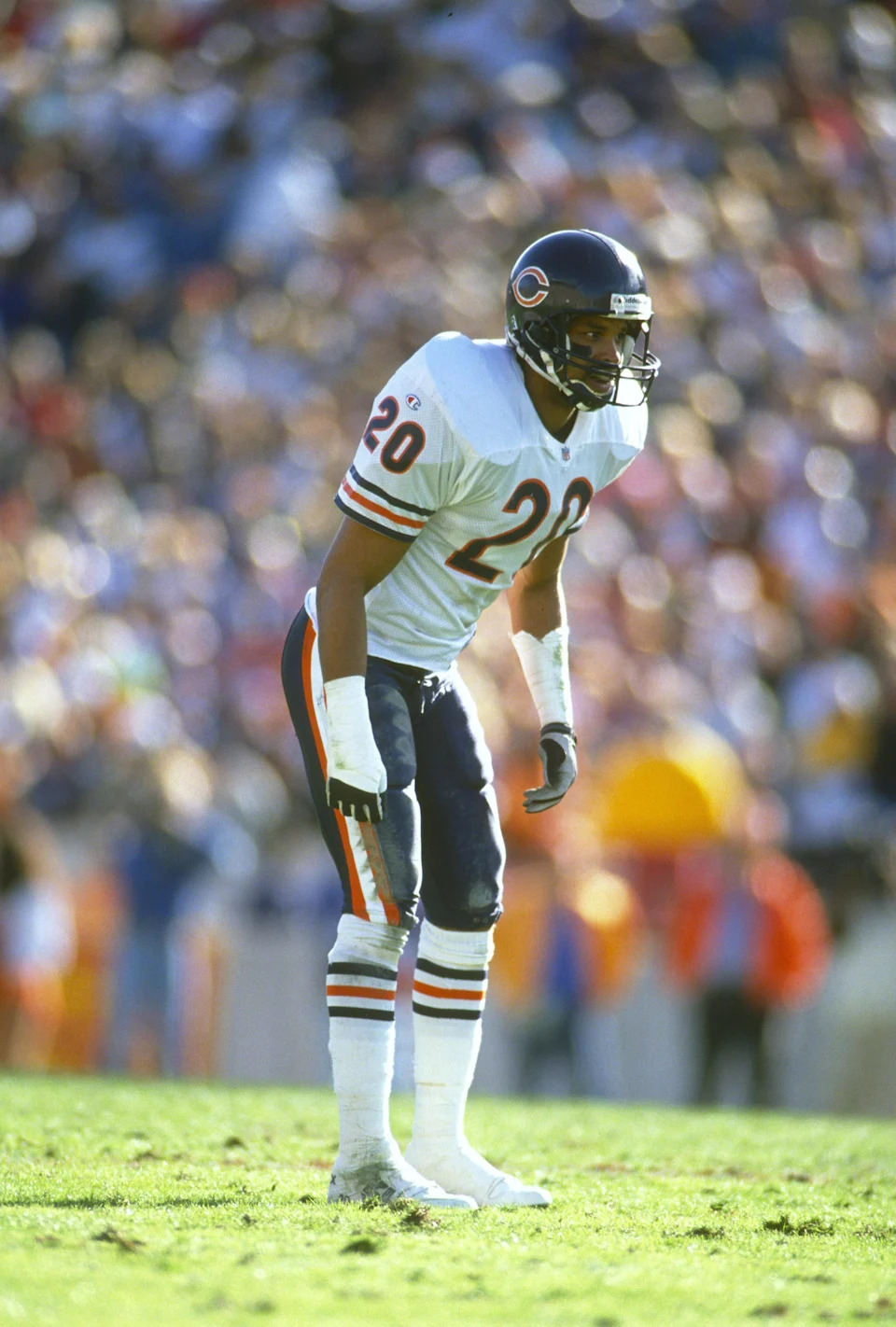
FS – Mark Carrier (12th Round): I like to reveal some themes throughout this breakdown, and one theme for this defense is the ability to create turnovers. Though he undoubtedly peaked during his 1990 Defensive Rookie of the Year season, Carrier is another cog in this turnover machine. The 3-time Pro Bowler amassed a total of 20 interceptions and 11 forced fumbles in his 7 seasons in Chicago.
Advertisement
SS – Adrian Amos (16th Round): Amos wasn’t very flashy during his tenure in Chicago (which is likely why Ryan Pace was happy to let him walk after the 2018 season, leading to the saltiness he’s had ever since as a now former Packer), but he was definitely a dependable piece next to the more “high-risk, high-reward” play of Eddie Jackson. Alongside Carrier, Amos could fill a similar role as a trustworthy piece in the secondary who can play clean-up as needed.
CB – Jerry Azumah (21st Round): Zoom should give me some kind of bonus points for his ability to serve as a reserve special teamer, but I suppose I don’t make the rules. Instead, he’ll be a serviceable corner to fill out this defense. Azumah was able to account for 10 interceptions and 7 forced fumbles in his career with the Bears, but that was with a very different level of support around him, and I feel that he would be able to benefit from the increased level of play of this defense, particularly the pressure generated by the defensive line.
SPECIAL TEAMS

K – Kevin Butler (18th Round): As mentioned, to begin this breakdown, I ended up prioritizing my special teams group in the draft. Butler, another Super Bowl Champion, is a part of that. The 2nd kicker taken off the board in this draft, Butler ranks only behind Robbie Gould in Bears career leaders in field goals made (243) and points scored (1,116). Butler actually leads Gould and all others in extra points made (387).
Advertisement
P – Brad Maynard (20th Round): This selection was really where I decided to boldly declare that I would have the clear best special teams trio in the draft. I chose Maynard as the first punter selected, and despite a lack of notable accolades from the league, Brad has left a lasting legacy from his 10 years in Chicago from 2001 – 2010, including punting for the team in the Super Bowl and twice in the NFCCG, leading all other Bears punters with 284 career punts inside the opponent’s 20-yard line.
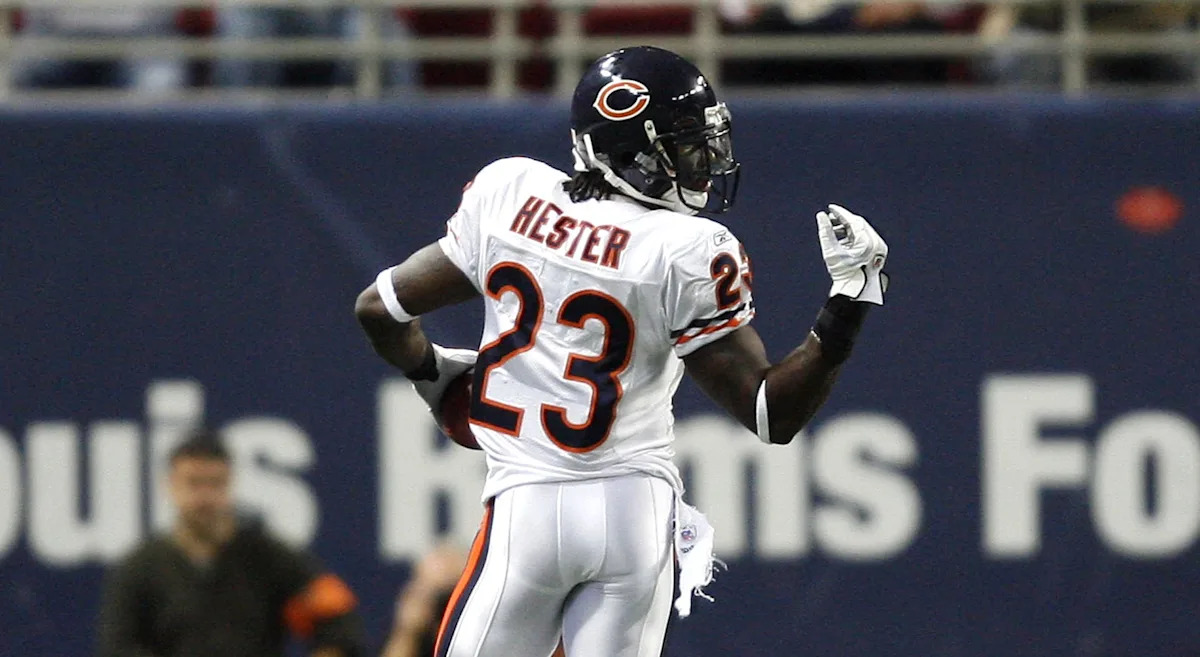
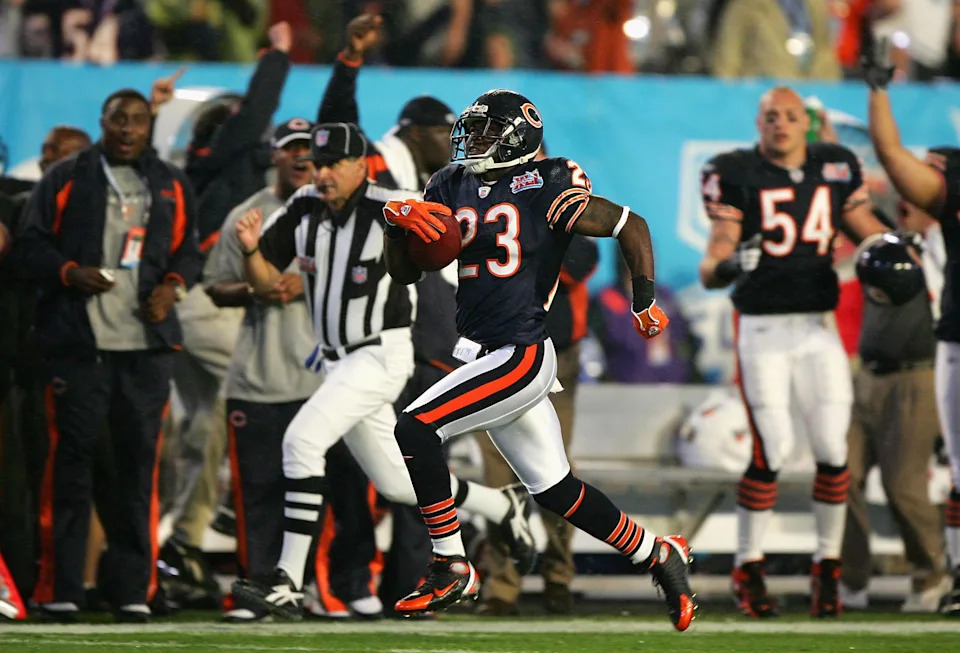
KR/PR – Devin Hester (3rd Round): I addressed both offense and defense with my first two picks of the draft, but I’d argue that my BEST pick might be this one right here. The ridiculous one himself rightfully found his way to the Hall of Fame as part of the 2024. A member of the 2006 NFC Champions, Hester did his part to help secure Chicago a 2nd Super Bowl (as we all know). He also earned 3 Pro Bowl nods and 3 All-Pro designations with the Bears (including in 2010) en route to becoming the greatest returner of all-time. Hester also was underrated as a speedy WR and can be used another chess piece that must be accounted for at all times when taking the field with the offense.
You can check out our full draft here.
Once all eight teams are announced, we’ll hold a tournament and ask you, the WCG readers, to pick the winner.
Read the full article here


