





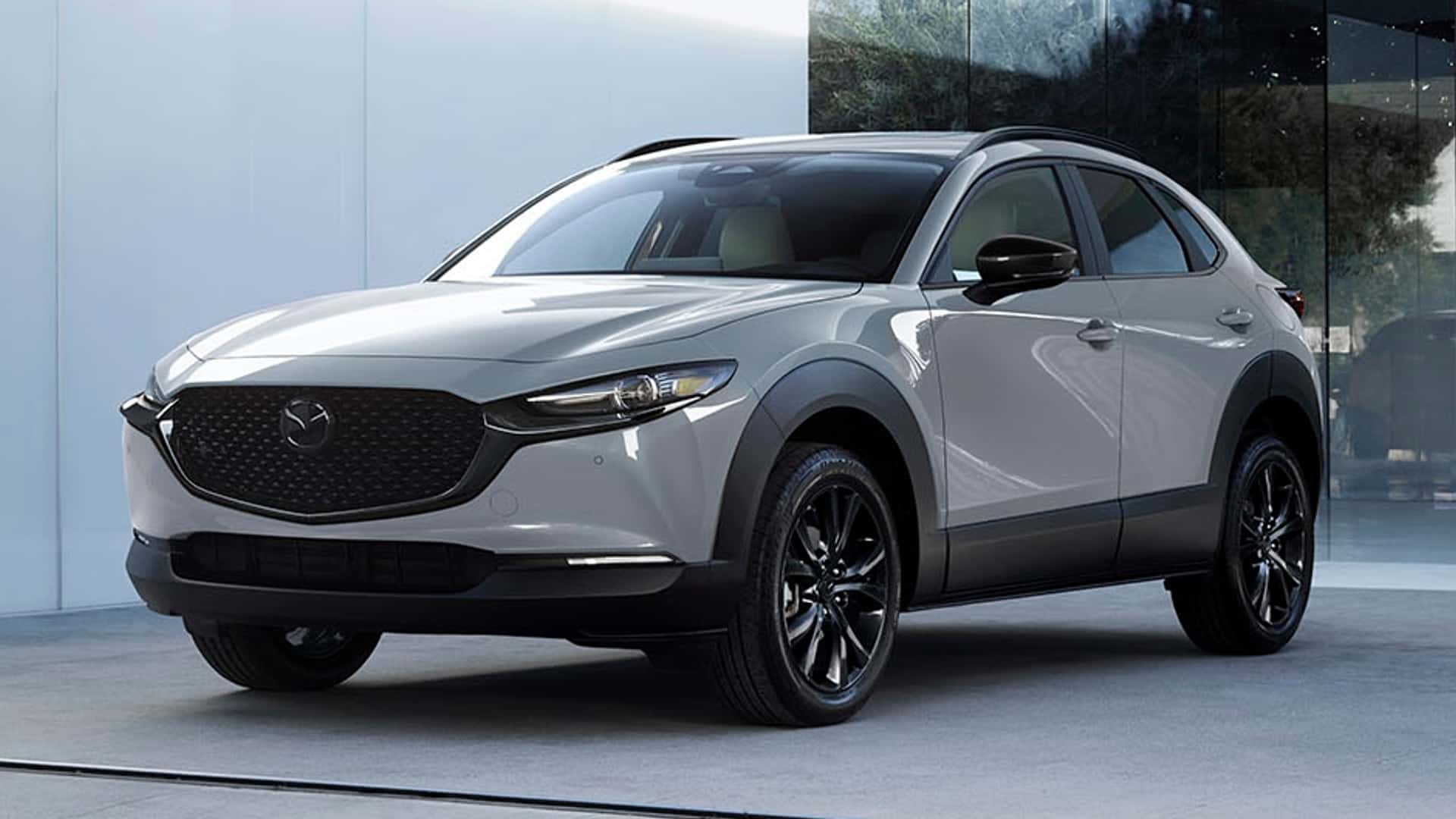
- Mazda’s next-generation CX-30 won’t arrive until fiscal 2030.
- Mazda blamed economic headwinds, rising raw-material costs and US import tariffs.
- The CX-30 is Mazda’s second-best-selling vehicle, with 208,869 units sold worldwide in 2025.
Mazda’s CX-30 has been on sale since 2019, and it is not getting a redesign anytime soon. Mazda CEO Masahiro Moro told Japan’s Chugoku Shimbun that the next-generation model will not land until fiscal year 2030, which runs through March 2031.
That is a 12-year run for the current CX-30 without a full overhaul, an unusually long stretch even by Mazda’s conservative product cycles. Moro pinned the delay on cost pressure the automaker cannot ignore.
Mazda CX-30 Redesign Timeline Slips To 2031
The CX-30 is no minor player in Mazda’s lineup. It is the brand’s second best-selling vehicle worldwide, with 208,869 units sold globally in 2025, trailing only the CX-5. Pushing its redesign to 2030 means Mazda is betting a huge chunk of its volume on a decade-old platform for years to come.
Mazda is not leaving the current CX-30 untouched in the meantime. The automaker has already rolled out a product update in Japan, and Mazda has confirmed pricing moves stateside too, which can be seen in the 2026 Mazda pricing across the lineup. That pattern of updating an aging platform instead of a clean-sheet redesign looks like the template Mazda intends to keep using through 2031.
Photo by: Mazda
Why Mazda Is Delaying The Next CX-30
Moro was direct about the reasoning. “Changes are crucial as Mazda is facing global headwinds including economic instability in key markets, rising raw material costs, and a sharp increase in US import tariffs,” he said, according to Chugoku Shimbun. US tariffs on Japanese-built vehicles jumped from 2.5% to 15%, a shift that hits Mazda harder than rivals with more US manufacturing.
The plan is to lean on engineering tricks already proven elsewhere in the lineup. The next CX-30 will borrow cost-cutting methods from the new CX-5, which managed a 10% reduction in body steel weight despite growing 4.5 inches longer than its predecessor.
Mazda is targeting structural cost reductions of ¥200 billion ($1,300,000,000) between fiscal years 2025 and 2027, and the CX-30’s delayed redesign is part of that math. The company would rather stretch an existing platform than rush a new one into a tariff environment that keeps shifting under it.
Motor1’s Take: Stretching the current CX-30 buys Mazda time to cut costs, and it leaves you with a proven, well-sorted small crossover instead of a risky first-year redesign. Expect steady equipment and pricing tweaks rather than a wholesale rethink.
Read the full article here