





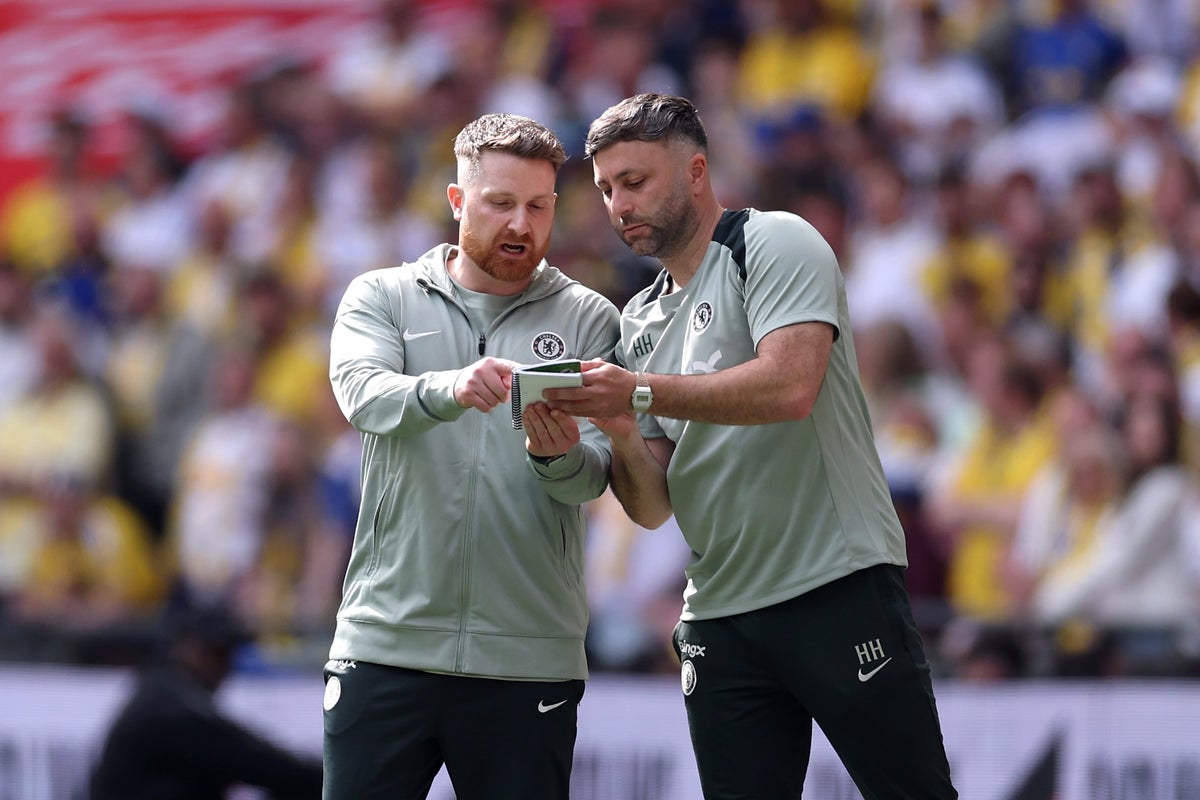
In the aftermath of the 2011 London riots, when groups of young men looted shops and set fire to cars and buildings around the capital, two aspiring football coaches were jolted into action by the sight of smoke billowing into the night sky.
Home secretary Theresa May called the offenders “thugs” and justice secretary Ken Clarke blamed a “feral underclass”. Much of the media rhetoric called to lock them up and throw away the key. But to James Fotheringham and Harry Hudson – who is now a familiar sight in the Chelsea dugout – the fires burning on their doorstep in Croydon were a community’s distress signal.
Advertisement
Hudson had studied sport’s role in social inclusion at university in Southampton, and when he returned to London that summer to witness the riots unfold, he and Fotheringham decided to set up their own outreach programme, putting on free coaching for young people who couldn’t afford to pay. The sessions were deliberately timed in the early evening during the most common hours for anti-social behaviour.
A building damaged by arson during the riots is pictured in Croydon, 10 August 2011 (AFP/Getty)
What started as a local scheme has grown into one of the most impactful sporting charities in the country. Approaching its 15th anniversary, Kinetic Academy now has 400 boys and girls enrolled across the city, aged 16-18, and each place at Kinetic comes with a spot at a local school to continue their studies. It is a unique blend of football academy, youth charity and education programme.
“It started at a time with a group of kids that were being labelled in the media as ‘bad kids’, but the truth was that they didn’t have the opportunity, the equipment, the facilities to express themselves,” says Fotheringham. “Smashing shops up and thefts and everything that was in the media, it just wasn’t the true narrative of the kids that were out on the street. But what it did do was point a lens at what we can do as a society to give these kids more of an opportunity.”
Advertisement
Among Kinetic’s first group of 23 young people, three signed contracts with professional football teams, a ludicrously high bar which the academy strives to reach each year. Scouts from around the country visit Kinetic’s talent showcases and see them play against club academies. So far, 83 Kinetic graduates have progressed into professional football, including Leicester midfielder Joe Aribo and Watford winger Kwadwo Baah.
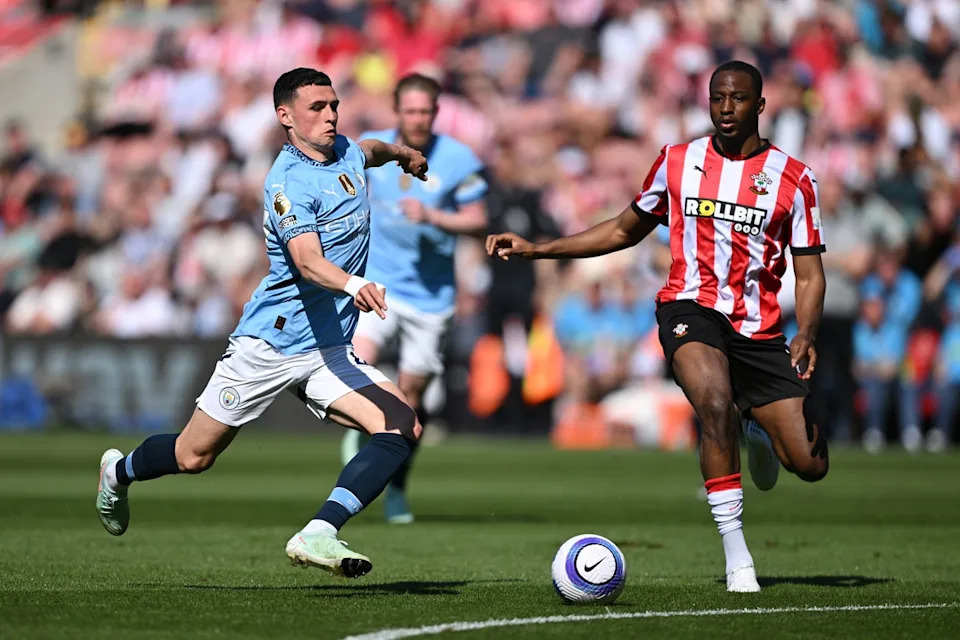
Joe Aribo, right, pictured playing for Southampton last season (Getty)
The Independent visits on a day when Kinetic’s Tottenham team are playing a London Cup semi-final. Their slight right winger, 18-year-old Tito Somuyiwa, possesses bags of skill and pace. He joined Kinetic after being released by Watford at 15, having already experienced a painful rejection by Tottenham at 13.
“It was tough because it was the second time,” he says. “After I got released, my confidence was really low. I saw all the clubs [Kinetic] played against, so I thought that would be good to keep at the same level I was before, without actually being at a club. It’s literally the same [environment as a professional academy].
Advertisement
“When I played a lot of games, my confidence obviously got better. The coaches are always pushing you to try and develop your game, to work my hardest to reach my dream.”
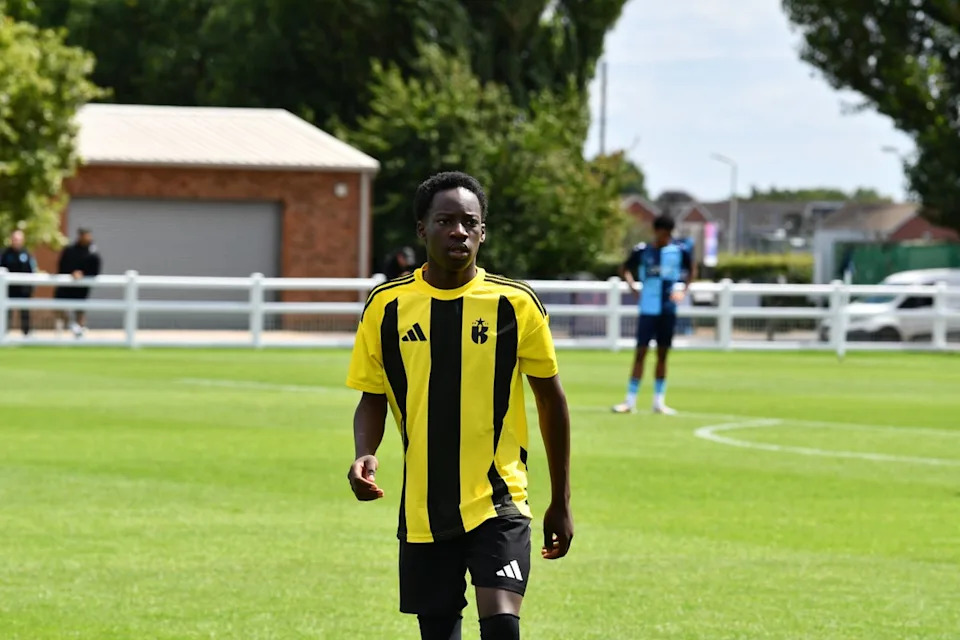
Kinetic Academy winger Tito Somuyiwa dreams of becoming a professional footballer (Kinetic Foundation)
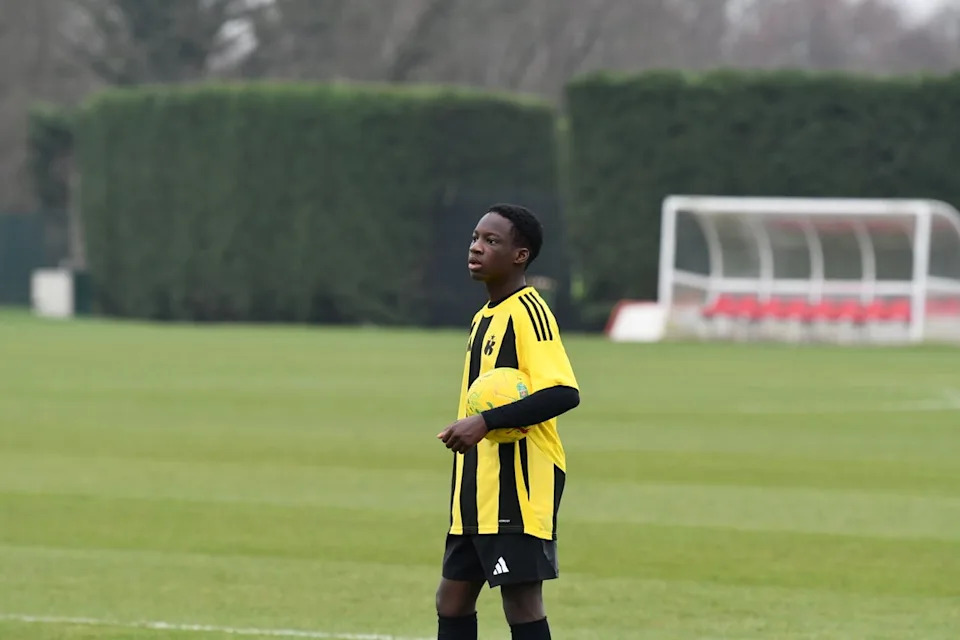
Somuyiwa was released by Tottenham and later Watford before joining Kinetic (Kinetic Foundation)
Beyond the on-field talent, what has caught the eye among some football fans in recent months is just how many coaches progress into the professional ranks. Hudson, co-founder alongside Fotheringham, is now head coach of Chelsea Under-21s, and he is currently helping with the senior team after Chelsea sacked manager Liam Rosenior. Rosenior’s replacement, interim manager Calum McFarlane, also coached at Kinetic, as did Chelsea’s Under-18s head coach Dan Hogan.
Advertisement
Their relationships with each other and Chelsea’s head of recruitment Joe Shields have sparked scrutiny on social media and accusations of nepotism, especially since their interim promotions. Perhaps it says something about Chelsea and the state of football more widely that who you know and who you trust counts for a lot – there are even more Brighton alumni at the club.
But the idea that the charity is somehow involved in a conspiracy to feed inexperienced coaches into Chelsea’s academy appears far-fetched. McFarlane already had a career in the professional game before a brief spell at Kinetic, when he had to return home from his job at Norwegian club Tromso due to a family health issue. Hudson had his own experience, from non-league to Wycombe, Crystal Palace and Brentford. Far more Kinetic coaches have not joined Chelsea, like Jake Littlejohn, who moved to Norwich City and the Bermuda national team, which might be the best gig of all.
That has not stopped a vociferous section of Chelsea fans hurling abuse at Kinetic online, with calls for the charity to shut down among the more polite messages.
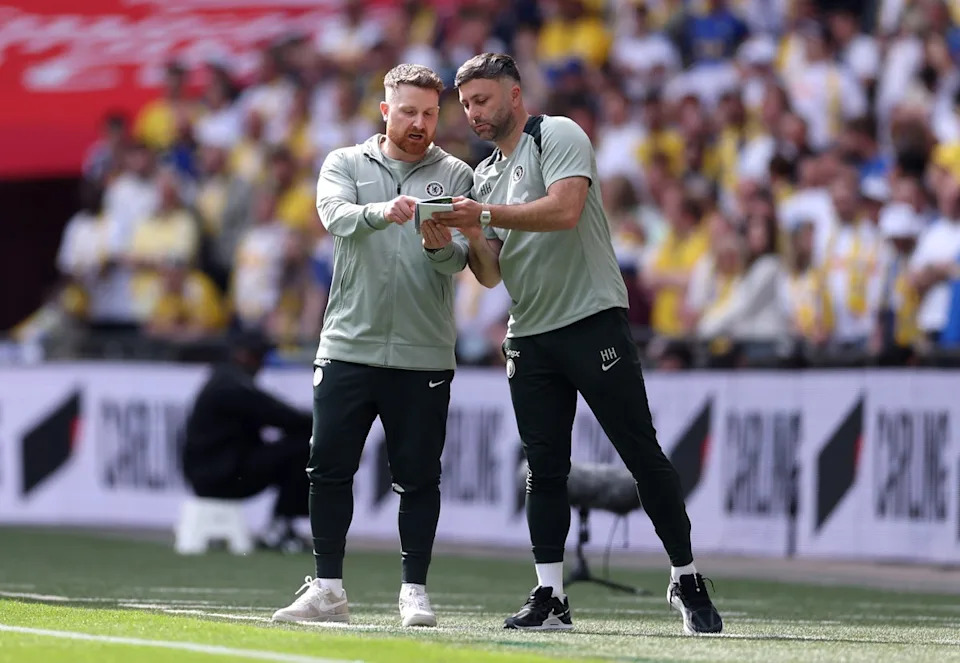
Fotheringham thinks Kinetic didn’t so much help Hudson as hold him back from a professional career. “To be honest, I was the one probably stopping him and it meant that he didn’t go into that world sooner. We built something pretty cool at Kinetic that he wanted to stay a part of. But he always said to me he would never be able to lie on his deathbed and say, ‘I never gave it a shot’.
Advertisement
“I think the truth is that the hard yards that have gone into it through a variety of different experiences are what mould them as coaches and individuals to succeed. We’re super proud. I truly believe that they’re there on merit and hard work, and the truth is that they have put a lot of hours and been on some horrendous journeys to get to where they are now.”
The coaches who’ve risen to the professional game act as inspiration for Kinetic’s current crop of coaches, many of whom came through the academy as players. Adam Flemming is Kinetic’s head coach of the north London area, and he is managing Somuyiwa’s Tottenham team.
“My dream is to get all the badges and coach as high as possible,” Flemming says, in between little flurries of instruction and encouragement. “We have access to a very, very good caliber of player, first of all. And when we go and play against pro sides, we compete. There’s nothing they do in a pro club that we don’t necessarily do ourselves, bar small bits like having a strength and conditioning coach. We’ve obviously got to prioritise education as well.”
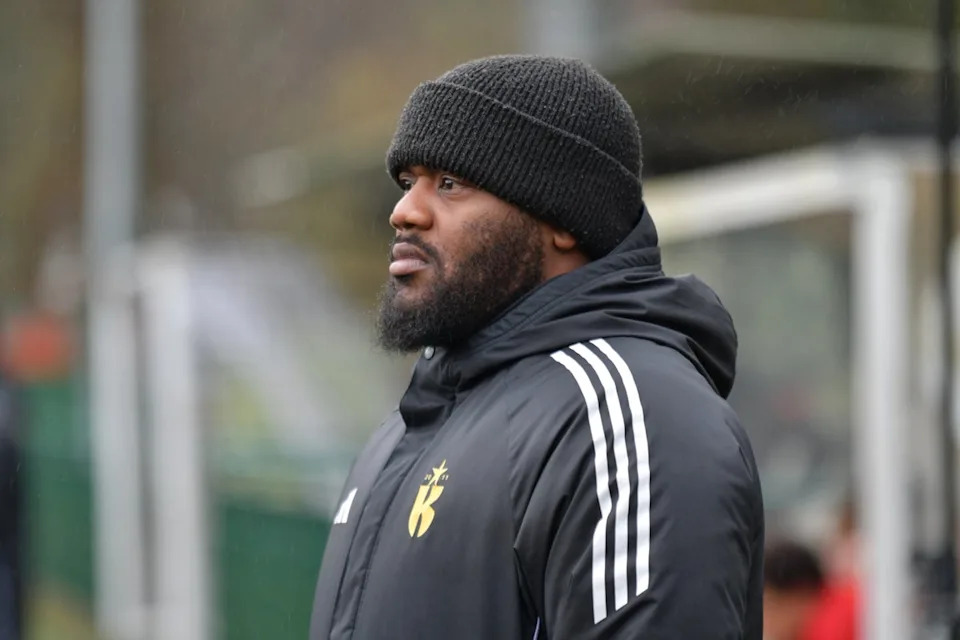
Kinetic coach Adam Flemming harbours dreams of working in professional football (Kinetic Foundation)
This is the foundation’s raison d’etre, to encourage social mobility by opening avenues to football and beyond. The majority of the young people who enrol are from marginalised ethnic backgrounds, and in the school holidays, Kinetic hosts coaching for children from low-income households. The foundation has links in the corporate world so students can earn mentoring and internships; students recently visited the Adidas headquarters for a workshop on entrepreneurship.
Advertisement
Because for all Kinetic’s success stories in football, the reality is that most don’t make it. Like a lot of talented footballers his age, Somuyiwa has come to the realisation that however hard he works, good fortune plays a part and a professional contract may never come. Through Kinetic’s partnership with Harris Academy schools, he now has offers lined up at universities in Exeter and Leicester. “If it doesn’t work out, then I want to go into property and real estate,” he says.
This is ultimately the goal of the Kinetic Foundation, to send their young people into professional football, a job, training or higher education – they don’t mind which, so long as their graduates have a brighter future when they leave than when they arrived.
Read the full article here