
Subscribe
Demo

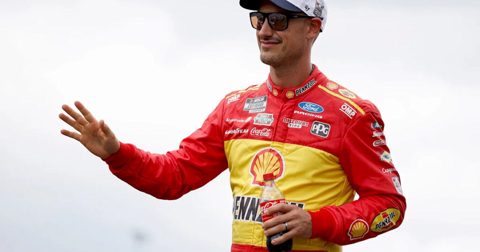
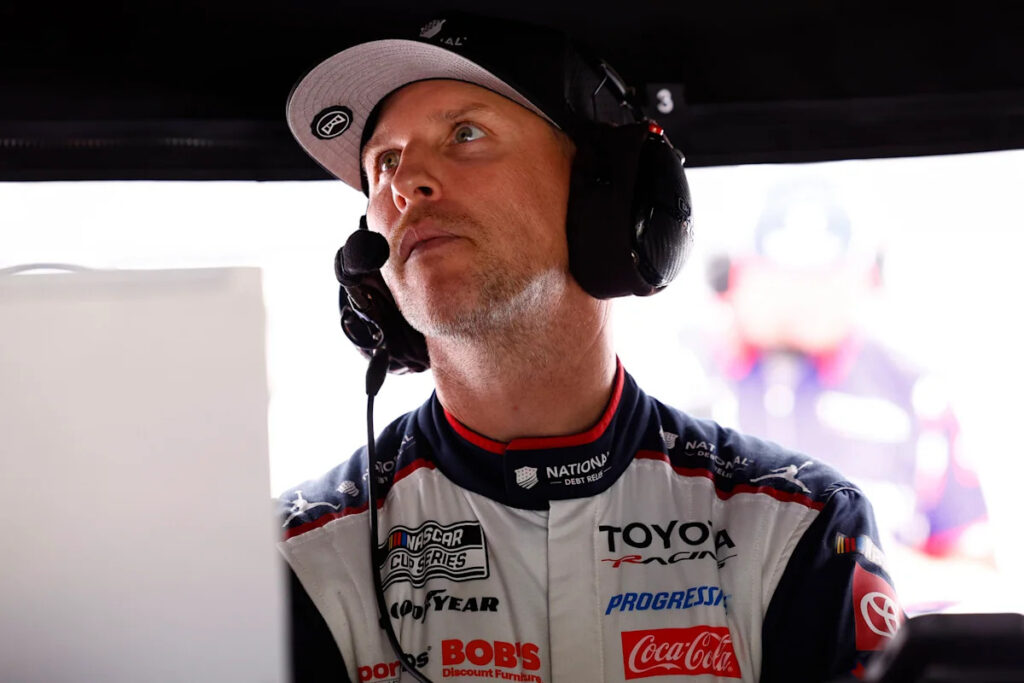
Denny Hamlin had the No. 1 seed secured heading into the Coke Zero Sugar 400, so his finishing position in Daytona was not going to affect his immediate postseason outlook. And yet, the Joe Gibbs Racing driver was not willing to overlook a scoring discrepancy that had him classified 11th after initially being shown as finishing 10th.

Hamlin believes the issue came down to a timing problem between NASCAR’s official system and what drivers could actually see on the racetrack.

Advertisement

“Remember, they put the lights in a little box in the corner, and they say, ‘Okay, the lights come on here.’ Bam. So, so there’s a camera on those lights. So, I’m saying I’m telling you, sir, that the lights were green and we were past the 21 car, but he’s like in front of the 41 and me. And so, I says, I think you have a timing issue.” Hamlin revealed on the Actions Detrimental podcast.

The disagreement stems from the confusing finish to Saturday night’s race, which ended under caution after 23XI Racing’s Tyler Reddick made contact with Front Row Motorsports’ Zane Smith on the final lap of overtime. Reddick’s bump sent Smith into the outside wall and triggered a multi-car incident behind them.

Denny Hamlin keeps things interesting at Daytona, no matter the circumstances. Subscribe for more interesting stories.

With the field frozen by the caution, NASCAR had to determine the exact running order at the moment the yellow was declared. That created an unusual discrepancy involving three cars.

Advertisement

The No. 21 Wood Brothers Ford Mustang of Josh Berry was initially shown 11th on television. Hamlin was listed 10th, while Cole Custer’s No. 41 Haas Factory Team Chevrolet was shown in ninth. However, NASCAR’s official results later changed the order.

Berry was ultimately credited with ninth, Custer moved to 10th, and Hamlin dropped to 11th. The adjustment also extended Berry’s streak of top-10 finishes to five consecutive races.

Denny Hamlin is not necessarily arguing that the final order itself should have been different. His concern is how NASCAR reached that order. Under NASCAR’s current procedure, the field is effectively frozen when the caution is determined to have been issued. Officials then use available camera angles and timing information to establish where each car was at that precise moment.

Hamlin believes those two sources did not properly line up at Daytona. His argument centers on the caution lights around the track. According to the No. 11 driver, NASCAR’s internal timestamp for when the caution was triggered appears to differ from the moment the green lights changed on the racetrack.

Advertisement

That distinction matters when cars are running side-by-side at high speed. A fraction of a second can determine whether one driver is officially ahead of another, particularly when several cars are separated by only a few feet.

Hamlin said he took his argument directly to NASCAR officials and pointed them toward the available camera footage. He also presented a photograph showing the No. 21 car passing a solid green caution light while the No. 41 was two car lengths behind it. Hamlin said his own car was ahead of Custer at that point as well.

The situation became even more confusing because the television broadcast appeared to display the yellow before the physical track lights changed. Hamlin and his producer, Jared Allen, discussed the delay during the podcast, with the TV graphic showing a caution while the track lights were reportedly still green.

Hamlin believes that gap further supports his argument that NASCAR’s systems may not be perfectly synchronized. The veteran driver acknowledged that the difference between 10th and 11th did not affect his points position heading into the Chase. He had already locked up the No. 1 seed after winning the regular-season points battle. But he still wants NASCAR to investigate the discrepancy.

Advertisement

With the Chase beginning immediately after Daytona, a disputed position could eventually affect a driver’s points total, stage of advancement, or championship hopes.

For Hamlin, the solution is straightforward: NASCAR needs to make sure its timestamps, caution lights, television graphics, and camera evidence all point to the same moment before declaring a finishing order official.

Trending Articles

The post “I’m Telling You Sir, the Lights Were Green”- Denny Hamlin Drops Bombshell Proof Exposing NASCAR’s Flawed Scoring System appeared first on EssentiallySports. Add EssentiallySports as a Preferred Source by clicking here.

Read the full article here

Leave A Reply

2026 © Prices.com LLC. All Rights Reserved.