





- KBB’s first-half 2026 Brand Watch shows hybrid consideration at 22% versus EVs at 10%.
- Non-luxury SUV consideration reached a record 71% while sedans fell to 25%.
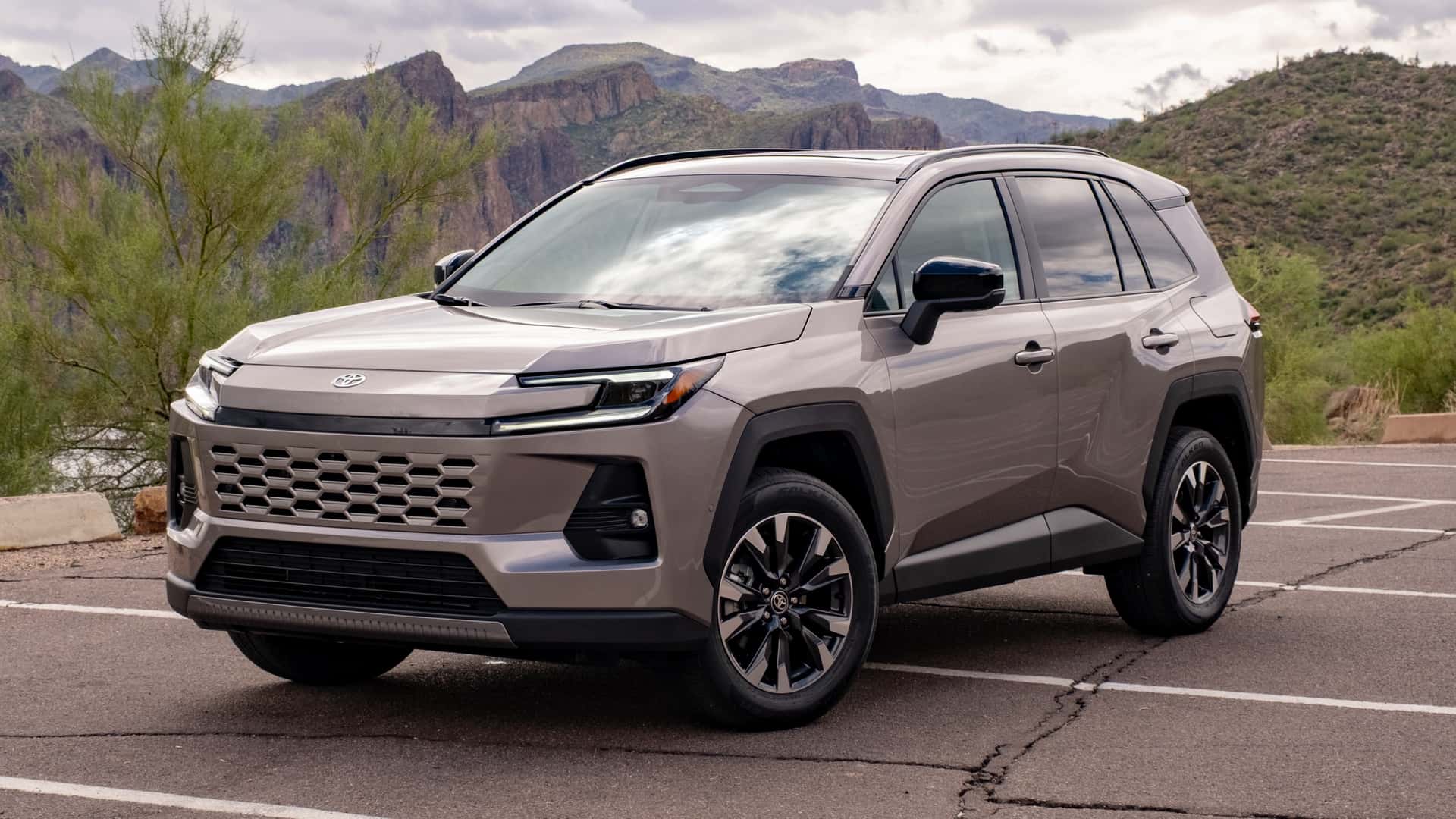
- Toyota places five hybrids among the top 10 most-considered electrified vehicles in KBB’s list.
Hybrid SUVs are no longer the quiet middle ground between gas and full electric. Kelley Blue Book’s latest Brand Watch data for the first half of 2026 shows hybrids grabbing far more shopper attention than EVs, with SUVs sitting firmly in the driver’s seat of that shift.
That same snapshot has non-luxury SUVs setting a new record for consideration while sedans sink to a new low. If you’re cross-shopping an electric SUV against a hybrid, it helps to understand how price, fuel economy, and day-to-day convenience are steering a lot of buyers toward hybrids right now.
2026 Honda CR-V Sport Touring Hybrid
Photo by: Honda
Hybrid SUVs Lead
Kelley Blue Book’s first-half 2026 Brand Watch survey shows hybrid consideration at 22 percent of shoppers, compared with just 10 percent looking seriously at EVs, widening the gap between the two powertrains. That lines up with market-share estimates that hybrids hold a much larger slice of US new-vehicle sales than battery electrics as of mid-2026.
At the same time, non-luxury SUV consideration reached a record 71 percent, while sedans dropped to just 25 percent, confirming that the SUV body style still dominates the mainstream market. Models like the Toyota RAV4 and Honda CR-V sit at the top of the non-luxury SUV list, and Toyota packs five hybrids into the top 10 most-considered electrified vehicles, reinforcing how closely hybrid interest tracks with popular SUVs.
Honda’s strong showing in nine of 12 decision drivers in the survey, including affordability and reliability, also explains why hybrids are having a moment in 2026. If you look at specific lineups, brands like Hyundai have posted record US results in part because their hybrid SUV sales are surging, especially on family crossovers that compete directly with EVs on shopper lists.

2026 Hyundai Tucson in California City, California
Photo by: Hyundai
Why SUV Buyers Are Shifting Toward Hybrids
Price and running costs are doing a lot of the talking right now. Hybrids tend to undercut comparable EVs on sticker price while still delivering strong fuel economy, which matters when affordability concerns are rising and incentives are patchy. Industry estimates also show hybrid share climbing into the high teens, while EVs sit in the single digits, suggesting that cost-conscious shoppers are voting with their wallets.
Charging access is the other big factor. If you live in an apartment, rely on street parking, or do frequent long highway trips, a hybrid SUV lets you skip public chargers entirely while still burning less fuel than a traditional gas model. That tradeoff helps explain why previous spikes in pump prices briefly boosted EV search interest, yet many buyers ultimately kept leaning toward more practical hybrids and plug-in hybrids instead of committing to full electric.
Body style preference seals the deal. Many of the most visible electrified models are compact or midsize crossovers, so shoppers start by deciding “SUV first” and only then pick between hybrid and EV. Right now, hybrids are winning that internal tug-of-war for SUV buyers because they feel like less of a lifestyle change while still checking the boxes on fuel economy and monthly payment. That’s reflected not just in KBB’s survey, but also in brands like Kia, where softer EV volumes show up alongside strong utility sales in recent monthly sales reports and slower-moving electric models.
Motor1’s Take: For now this shift mostly helps mainstream SUV shoppers and the high-volume brands that serve them, since hybrids offer familiar utility and lower upfront cost without forcing owners into public charging, while EVs still make sense for drivers who can plug in regularly or want a zero-emission option, and the balance can change quickly as incentives, fuel prices, and charging access move around.
Read the full article here