




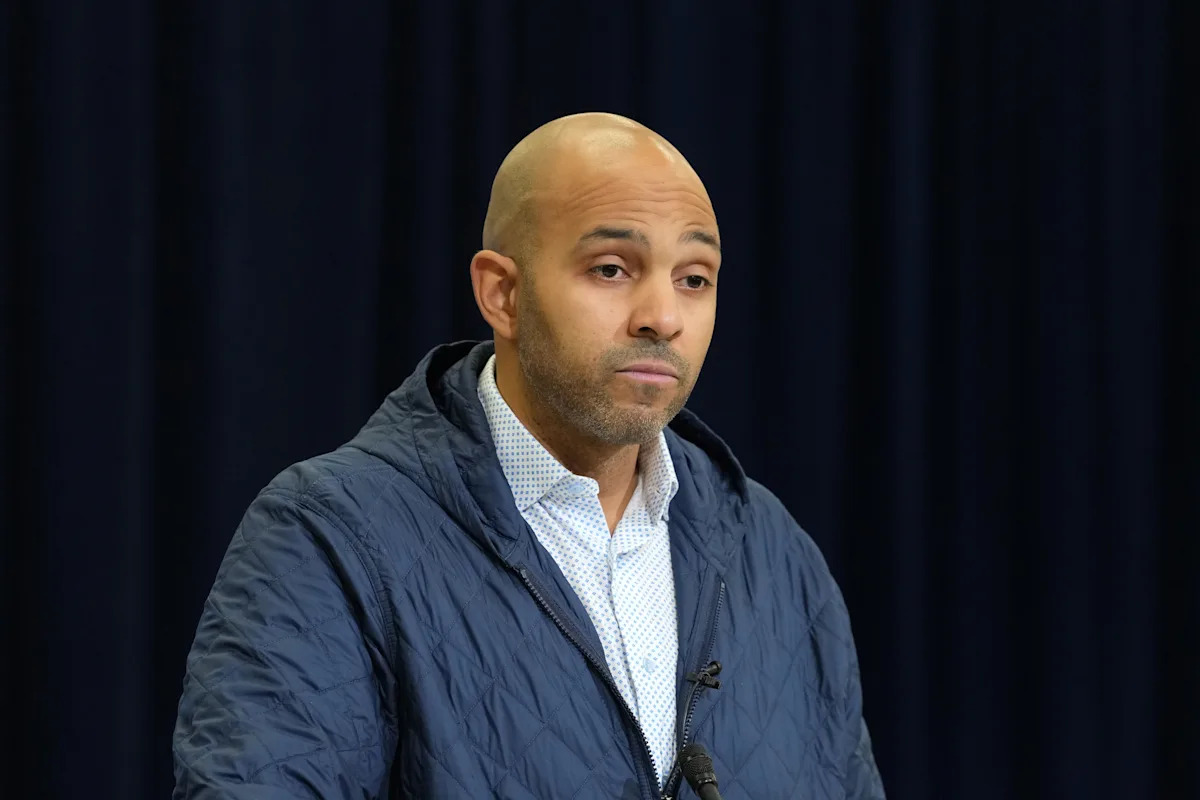
With only five draft picks in the 2026 NFL Draft, the Atlanta Falcons have to be smart about how they navigate it. Even though new general manager Ian Cunningham has expressed his desire to add more picks, nothing is guaranteed.
With limited draft capital, the Falcons cannot address all their needs and should focus on maximizing the talent. To do this, the team will need to tailor their draft strategy to the strengths and weaknesses of the 2026 class. One way to do that is by looking at which position groups are deeper or shallower than usual. Positions with more depth might be ones the Falcons can wait on, while the shallower ones should be prioritized to ensure the team lands an impact player.
Advertisement
Identifying the strengths and weaknesses of the 2026 Draft class
One way to assess how strong and weak certain positions are is to look at draft experts’ Top 100 rankings and compare them historically with recent drafts to see whether more or fewer players are available at those spots. For example, The Athletic’s Dane Brugler has 18 wide receivers in his most recent Top 100 rankings. Over the last five drafts, an average of 15 wide receivers have been taken in the first three rounds, which on average includes the first 103 players selected. That indicates that the 2026 wide receiver class is stronger than usual. Looking at Trevor Sikkema’s rankings from the end of last month at PFF and The Ringer’s Todd McShay’s, they have 17 and 16 receivers, respectively, in their Top 100 rankings. This further emphasizes that the 2026 wide receiver class is stronger than usual.
When applying this exercise to other positions, linebacker, cornerback, and edge rusher also emerge as stronger-than-usual positions. In contrast, the 2026 class is weaker at quarterback, running back, and along the offensive line.
With these strengths and weaknesses in mind, the Falcons can modify their draft strategy to take advantage of them. They have needs across their roster, including the deeper positions like wide receiver, cornerback, edge rusher, and linebacker. That could lead them to forgo prioritizing those positions, since they can likely get quality players later.
Advertisement
The Falcons were aggressive in shoring up wide receiver, edge rusher, and linebacker in free agency with multiple additions at each spot. However, the team was more timid in adding help at cornerback, likely due to the depth already on the roster and the need for an impact starter to upgrade over Mike Hughes, which would have been expensive. That leaves cornerback as the one strong position group that might still be prioritized early in the draft to find an immediate starter.
Why Offensive Tackle should be among Atlanta’s top draft priorities
Yet, the weaker position groups in the 2026 draft could also take precedence on the Falcons draft board. The team also signed multiple quarterbacks and running backs in free agency, two positions that are relatively weak this year. Selecting a quarterback in this draft would be provocative but probably not smart, given the dearth of talent. The 2026 season should be devoted to Atlanta figuring out whether Michael Penix, the young quarterback inherited by the new regime, is a long-term answer rather than adding another rookie passer that muddies the picture.
However, the offensive line is the one position group the Falcons should target early in the draft to capitalize on the shallow talent this year. Cunningham has emphasized his desire to build in the trenches, and the presence of legendary offensive line coach Bill Callahan makes shoring up depth up front worthwhile. Offensive tackle should take priority, even before Kaleb McGary’s unexpected retirement and the addition of Jawaan Taylor.
Advertisement
The Falcons sent their top decision makers to Arizona State’s pro day a few days before the NFL’s owner meetings in nearby Phoenix, where they likely checked out Sun Devils right tackle Max Iheanachor up close. The premium on offensive tackle, combined with the shallowness of this year’s crop, might push the Falcons to target a tackle like Iheanachor with their top second-round pick. Considering the longer developmental timeline for offensive linemen and the void created by McGary, it’s smart for the Falcons to prioritize an offensive tackle over other positions, even if that player likely rides the bench as a rookie.
How Cunningham can get the most out of five picks
Overall, a draft strategy that prioritizes the shallowest parts of the talent pool early and is patient with deeper positions, targeting them later, makes sense. It prevents the team from taking lesser players or ignoring needs once the talent pool dries up. This allows the Falcons to get the most bang for their buck in the draft, building on their free agency approach focused on cheap, one-year contracts with upside.
One can expect Cunningham to use trades to acquire more draft assets, but most will be late-round picks that have lower hit rates. However, being patient and selecting a deeper position increases the chance of finding a late-round gem. A sixth-round pick at linebacker or wide receiver in 2026 might equal a fourth or fifth-round pick in previous drafts. Such picks might not transform the Falcons’ future alone, but the cumulative effect of adding quality depth and contributors certainly benefits the team’s long-term outlook.
Advertisement
This is Cunningham’s goal. Rather than swinging for the fences and missing like his predecessor, his approach is more methodical and analytical, one built for sustainable success rather than fleeting upside. He can only work with the resources available to him, and right now those resources are limited. But if this offseason is any indication, Cunningham is already playing a smarter game. The Falcons may not make headlines on draft weekend, but they could quietly come out ahead.
Read the full article here


