





The potential appointment of Andoni Iraola brings with it a point of heightened risk at Liverpool.
Iraola, 43, will undertake the biggest job of his career, with fans and experts in some quarters pointing to a lack of major silverware or an absence of immense external expectation in his eight or so years as a manager.
Advertisement
Others question him stepping up to such a role. Data shared by BBC Radio 5 Live’s Monday Night Club has outlined only Mauricio Pochettino (293 matches) and Brendan Rodgers (166) have broken the 100-game barrier when managers have moved to a big-six club within the Premier League over recent decades. The likes of David Moyes, Nuno Espirito Santo, Graham Potter, Enzo Maresca, Frank Lampard and Thomas Frank have all not reached a century of games after big moves.
Adding to Iraola’s challenge will be recent anger in the Liverpool fanbase at a perceived drop in standards at Anfield. Supporters have questioned the application of some players, while the intensity and frequency of training has been queried. Others grew frustrated at poor results being positively spun by the departing Arne Slot as an example of how mediocrity was being explained away.
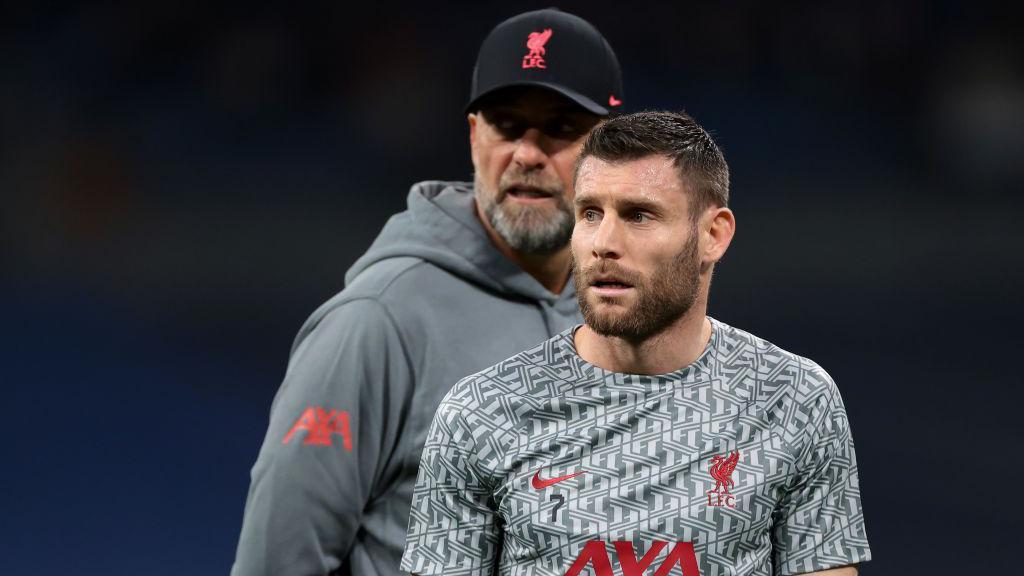
One wonders, in a bid to set standards, if Iraola could turn to the now-retired James Milner as part of his backroom staff.
From a public relations standpoint, Milner – a Premier League and Champions League winner at Anfield – would connect Liverpool’s future with its past, a trait many Kopites – young and old – tend to appreciate. Furthermore, he would command instant respect in the changing room while any new head coach earned his own, offering the chance to demand of players and set standards from the off.
Advertisement
As thing stand, Liverpool are yet to approach Bournemouth over bringing his former assistants Tommy Elphick – a lifelong Liverpool fan – and Shaun Cooper to Anfield.
But could Milner add further quality to the team?
Speaking on BBC Radio 5 Live’s Monday Night Club on Monday, Brighton chief executive Paul Barber outlined the ongoing demands Milner made of those around him before leaving the club to retire.
“He was determined to set new standards,” explained Barber. “He was absolutely not satisfied with anything we did. Everything had to be better. Everything had to be even better than he’d experienced at other clubs, much bigger clubs than ours and with bigger resources than ours. But he didn’t see that as a barrier or as an obstacle to improving. That’s James Milner. That’s what you get. And that’s why he’s been at the top for such a long time.
Advertisement
“We were very happy to work with James for another year at least – because his appetite was still there, because his fitness levels were still there, his determination, his professionalism. And I think what people won’t necessarily see as easily from the outside looking in is just his influence off the pitch as well as on it, and his support for the younger players, his encouragement for the staff, his determination to make wherever he is better.
“I mean, there are times when he could be pain as well for me. I remember that last summer we were all enjoying a holiday, the phone rings, I look at it and it’s James and I’m thinking ‘oh no’. It’s a list of things that he wants to see improved at the training ground during the close season so that when he came back in for pre-season things were better than they were when he left them. It’s not a five-minute conversation, it’s a 45-minute to an hour conversation where he’s going into detail as to why he wants these things done and what improvements he thinks they’ll bring to the squad. So that’s James Milner, as I say, as influential off the pitch as he is on it.”
As a season of frustration and pointed-fingers makes way for change and new risks, could Milner offer calm and continuity?
Tell us what you think
[BBC]

Read the full article here