




Golf is hard at the best of times, let alone with only half of your vision.
But there was once a three-time major winner who won his titles using only one eye. Before his major titles, he was a young man from Edinburgh facing the brutal reality of the First World War. There, he was blinded, but he didn’t let it define the rest of his life.
Advertisement
When he returned to golf after the war, he rebuilt his entire approach to the game. He worked his way back from a military hospital bed to the very top of the sport in one of golf’s most incredible comeback stories.
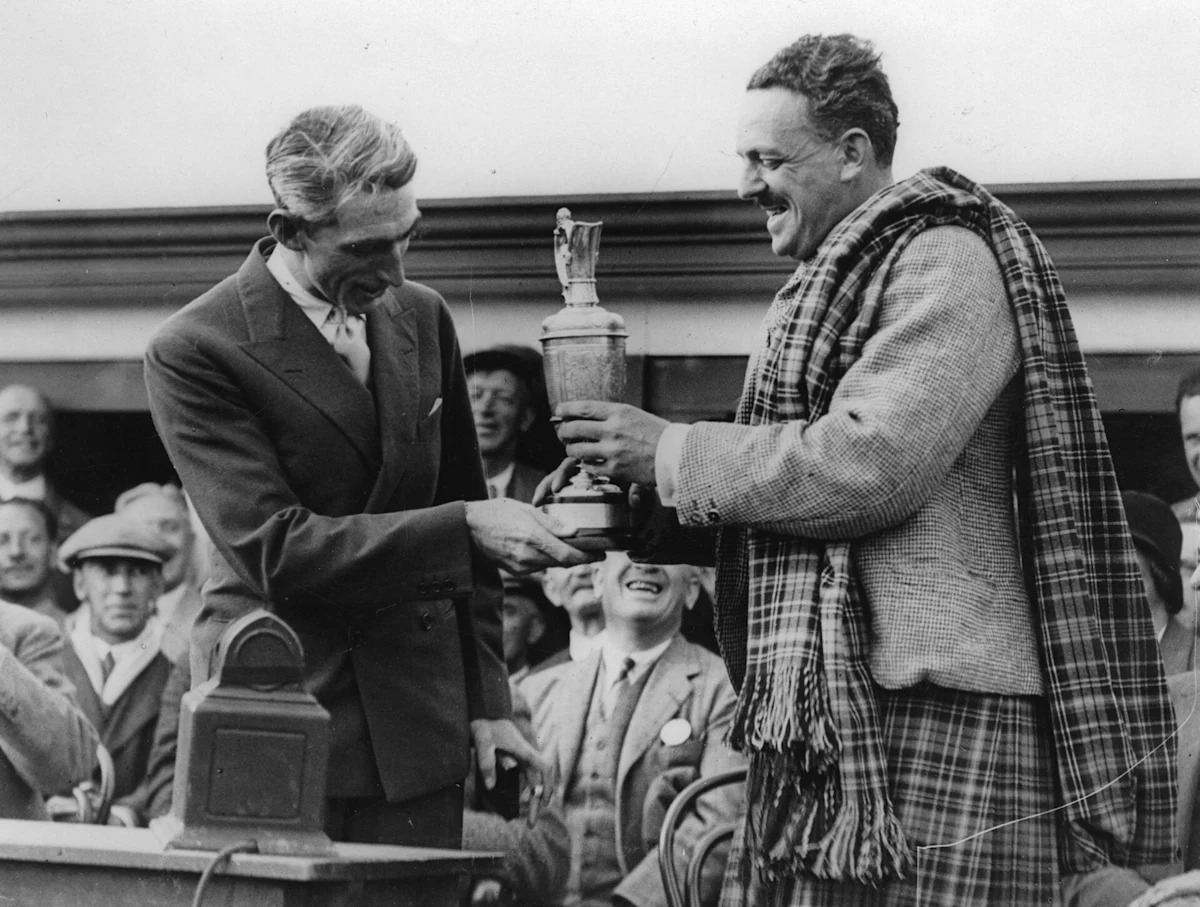
Oakmont, Pennsylvania: Tommy Armour winning US Open, at Oakmont Country Club.
How Tommy Armour won three majors after being blinded
During World War I, Armour served in the British Army, where a tragic mustard gas explosion and shrapnel blast left him temporarily paralyzed and permanently blind in his left eye. Doctors added a metal plate to his head, doubting he would ever play sport again.
But against all odds, he transitioned to professional golf, and he didn’t just make up the numbers. Armour was one of the dominant forces of the game, starting in the late 1920s.
Advertisement
The Scot won the 1927 U.S. Open, the 1930 PGA Championship, and the 1931 Open Championship. Winning the Open before the introduction of The Masters gave him the Grand Slam at the time.
Armour won 25 times on the PGA Tour before calling it quits on his full-time career in 1935, although he competed periodically in top-class events for several years afterwards.
Tommy Armour was the first golfer with the yips
Armour’s legacy can’t be defined only by his incredible successes while playing. He’s also credited with coining the term “yips” to describe the sudden loss of putting ability, which plagued him and so many other golfers.
Advertisement
During his post-playing coaching career, Armour spoke extensively about overcoming the yips. That’s partly why he became one of the game’s most sought-after instructors.
He authored “How to Play Your Best Golf All the Time,” a classic book that simplified the swing for generations of amateurs.
He had a unique and profound ability to simply the game, making him one of the greatest golfing minds of all time.
Read the full article here


