





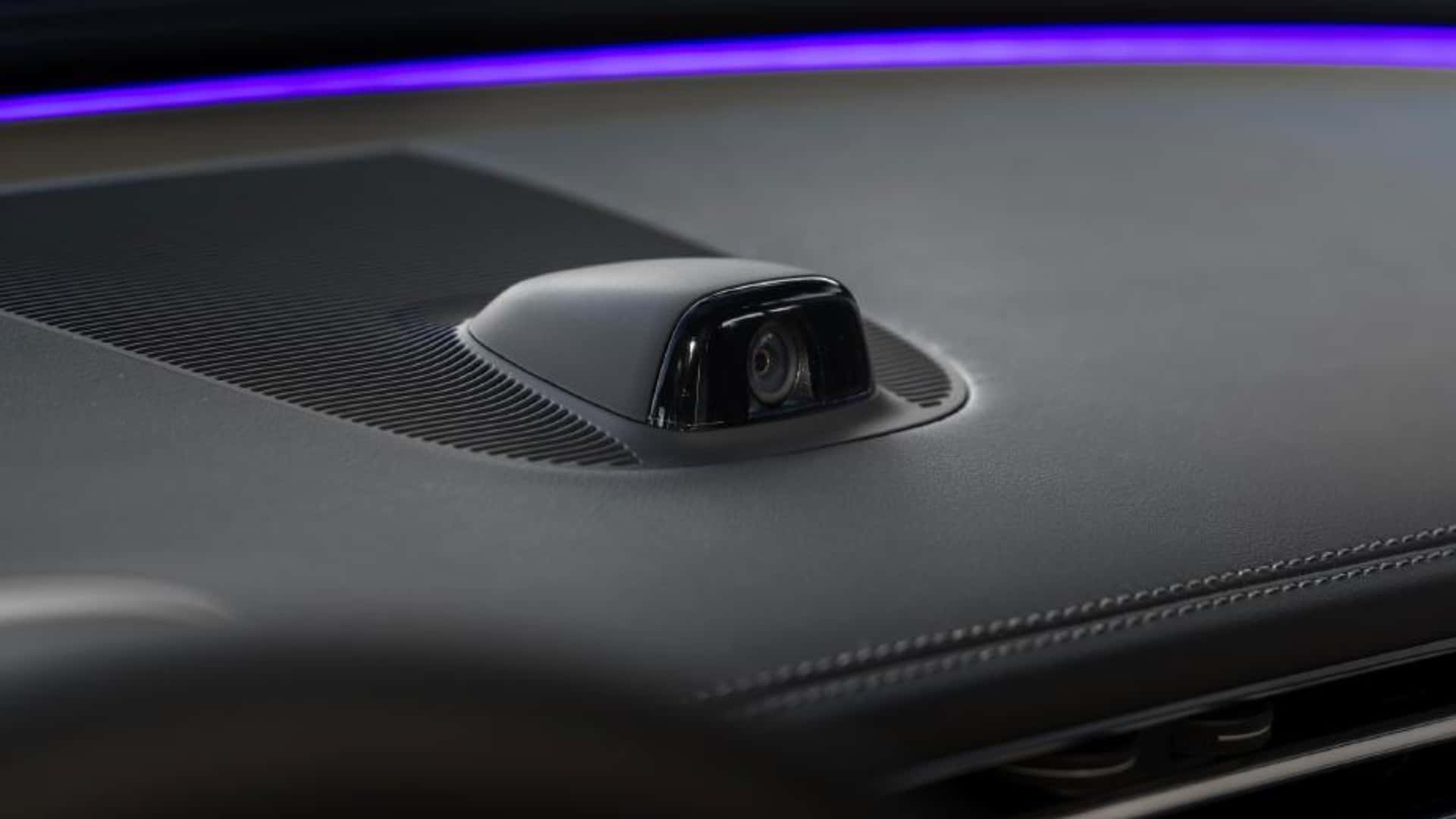
- New cars are supposed to have driver monitoring systems in 2027 to detect impaired driving.
- The National Highway Traffic Safety Administration reports that no technology is capable of accurately detecting impaired driving.
- Automakers have been generally supportive of the initiative.
Next year could be the start of a new surveillance era. The Infrastructure Investment and Jobs Act, passed by Congress in 2021, included a statute requiring new cars to have driver-monitoring systems designed to detect impaired drivers. The bill gave automakers three years to develop the technology, which should roll out in 2027—but they might miss that deadline.
In a February report to Congress, the National Highway Traffic Safety Administration (NHTSA) said that potential technologies were nowhere near ready for deployment. According to the agency, “To date, there are no in-vehicle technologies in production that can measure BAC [Blood Alcohol content] or BrAC [Breath Alcohol Content] above 0.08 g/dL passively.”
Other types of sensor-based monitoring systems “are not ready to be integrated into vehicles sold to the general public,” NHTSA notes. One hurdle is the error rate of such systems, which, even with a 99.9 percent accuracy rate, would still result in millions of false positives per year, preventing sober drivers from operating their vehicles.
According to NHTSA’s report, no technology is available that comes close to achieving the necessary accuracy, but the agency is hopeful that impaired-driving detection will one day “have a dramatic impact on road safety and combatting the scourge of impaired driving.”
The Growing Surveillance State
Part of the bill mandating the impaired-driving prevention tech requires NHTSA to determine exactly how to implement the law. Automakers will likely rely heavily on in-car cameras and sensors that continuously monitor drivers, raising privacy concerns that the agency is aware of.
You don’t always own the data your car produces, and mandating cameras only increases the potential collection of your information. In theory, everything you do in a vehicle can be turned into a data point and used against you.
Many modern vehicles already have driver monitoring systems designed to detect drowsiness, inattention, and sudden sickness. NHTSA is researching these systems to see if they can accurately detect impaired driving. One concern the agency has is that many cars also have driver-assistance features, such as lane-keep assist, that could mask certain impaired-driving behaviors.
Delaying The Inevitable
Despite the technological hurdles, NHTSA isn’t alone in pushing for technology to prevent impaired driving. Last year, the Insurance Institute for Highway Safety announced it would raise the standards for its Top Safety Pick+ award to include features that detect signs of impairment.
At the time, the Institute’s president, David Harkey, said:
‘As part of our 30×30 vision to cut US road deaths 30 percent by 2030, we are committed to addressing the risky—and often illegal—behavior that underlies most fatalities today. One way we plan to do that is to leverage our ratings and award programs to encourage automakers to adopt this new class of safety technology, just as we got them to improve vehicle structures, airbags, and collision avoidance systems.’
Automakers could see new criteria by 2030 or sooner, and we doubt many will push back. BMW, Ford, General Motors, and Toyota have written to the agency, stating they are generally supportive of the initiative, but each raised concerns about consumer acceptance and accuracy.
Motor1’s Take: It is only a matter of time before technology is capable of detecting impaired driving, but it likely won’t be in new cars starting next year. There are still too many hurdles preventing the monitoring systems from working at a mass scale, which gives lawmakers time to reconsider the mandate.
Read the full article here