




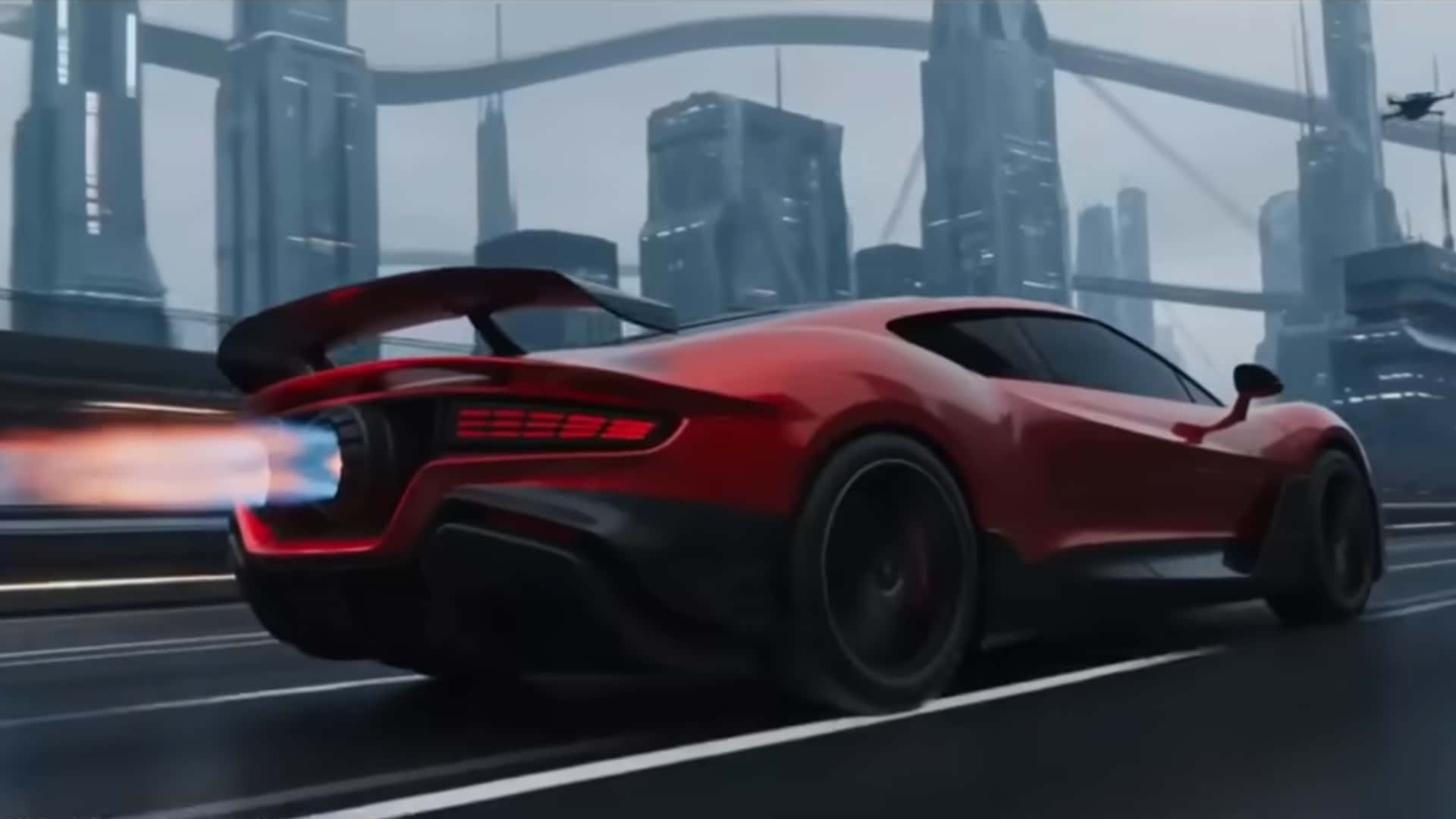
- Dreame’s automotive division is being liquidated; headcount dropped from nearly 1,000 to a few dozen.
- Dreame claimed a 0.9s 0–62 mph sprint, 100 kN thrust and a 450 Wh/kg solid-state battery, but none were independently validated.
- The showcased “supercar” lacked a chassis, was remote-controlled, and the program emphasized marketing and fundraising over production.
Dreame’s car arm is being wound down barely a year after launch, and the numbers tell the story. The Chinese vacuum maker built an auto team close to 1,000 people around a supposed record-breaking rocket car; now only a few dozen staff remain to unwind debts and shutter entities.
Dreame jumped into cars in August 2025, showed a Starry Sky supercar at CES 2026, then rolled out the Nebula Next 01 Jet Edition “Rocket Car” in San Francisco that April. CarNewsChina is now reporting the Starry Sky venture is being liquidated, with related companies already in deregistration.
4
Source: Dreame Technology
What Dreame’s Starry Sky Project Actually Built
Project Starry Sky was Dreame’s shortcut from robot vacuums to hypercars, and the CES showpiece revealed how little real car substance sat under the dramatic styling. Internal accounts describe the “supercar” on stage as a shell with no working chassis, steered around the floor by remote control instead of its own drivetrain.
One former employee said Dreame lured engineers from established brands with big salaries and lofty titles, then focused on fundraising rounds instead of getting a car certified. That picture matches reporting passed through CarNewsChina, which portrays Starry Sky as a marketing and capital-raising play rather than a manufacturing program building toward road use.
Local authorities in China reportedly stepped in to review how subsidies and other investment money were spent, limiting Dreame’s freedom to tap public support. For a project that never produced a running prototype ready for testing, that kind of scrutiny landed long before any homologated vehicle could appear.


Photo by: Dreame Technology
The 0.9-Second Claim Nobody Got To Verify
Dreame’s Rocket Car pitch centered on a 0 to 62 mph sprint in 0.9 seconds from dual solid-fuel rocket boosters rated at 100 kilonewtons, backed by a sulfide-based all-solid-state battery said to top 450 Wh/kg and deliver more than 342 miles of CLTC range. None of those numbers ever went through independent track timing or third-party lab testing on a complete car.
If real, that battery density would leapfrog the first production solid-state packs now edging into the market, which still sit well below that figure at the cell level. Dreame never produced public validation, and the 0.9-second blast stayed a slide-deck number, not something anyone recorded on timing beams.
Chief executive Yu Hao is now steering Dreame back to what it actually builds and sells: vacuum cleaners, lawn robots, two-wheeled electric vehicles and its “Magic Atom” machines. Most other incubator projects have been chopped alongside Starry Sky, while the company still talks about a future stock listing.
Motor1’s Take: Dreame’s Starry Sky collapse shows that wild performance and battery claims only matter once a real prototype runs under independent test gear. Glossy demos and big-name hires cannot fill that gap. Anyone chasing “breakthrough” EVs should keep asking where the certified data and production plan are before buying the story.
Read the full article here


