





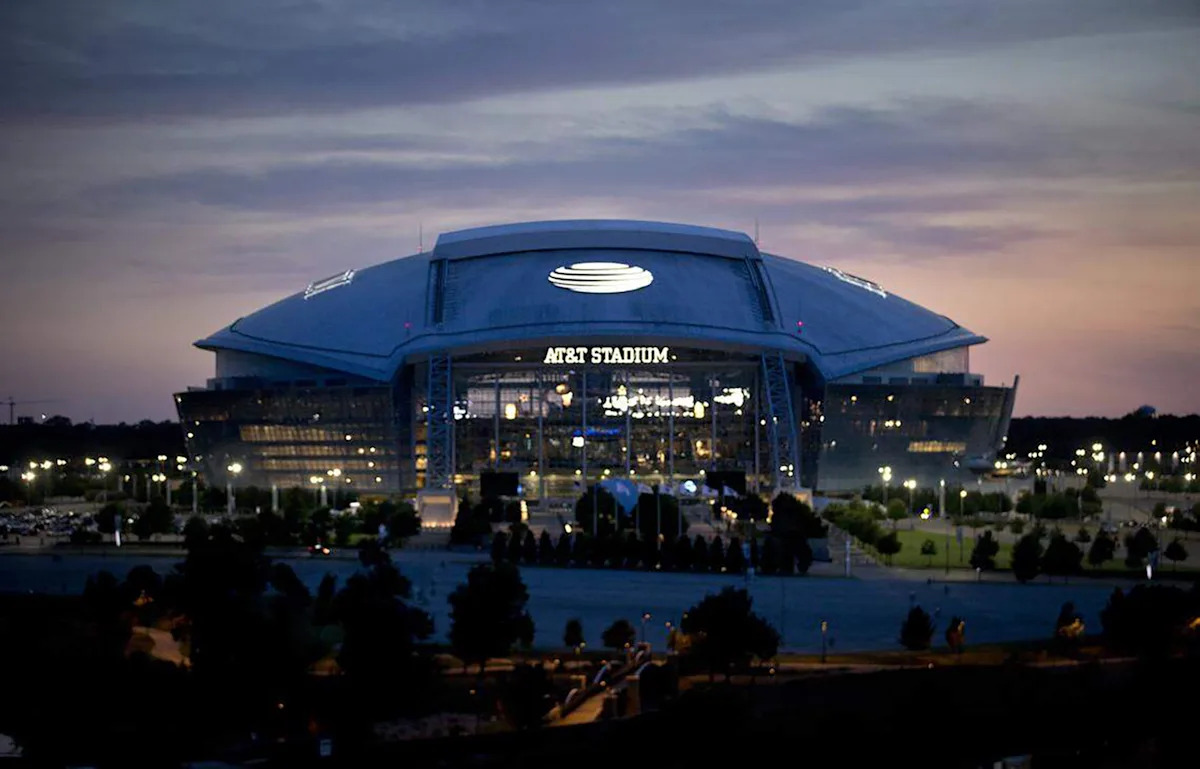
The Dallas Cowboys are back where the NFL so often puts them, in front of everyone. With seven standalone national games on the 2026 schedule, including six in primetime, Dallas remains one of the league’s most reliable television draws and one of its most scrutinized teams. For the Cowboys, that is both a compliment and a challenge. The schedule says the league still sees Dallas as must-watch football, but the schedule contortions can get crazy.
The Cowboys’ national profile is not new, but this schedule reinforces how much the franchise still matters to the NFL’s entertainment product. Dallas opens the season on Sunday Night Football against the New York Giants, plays marquee road games at Green Bay, Philadelphia and Seattle, hosts Tampa Bay on Thursday Night Football, and gets Jacksonville at home on Sunday Night Football late in the year. Add the traditional Thanksgiving game against the Eagles, and the Cowboys will spend a large part of the season either alone on television or in one of the league’s biggest windows.
Advertisement
For the team, that visibility creates opportunity. Primetime and standalone games are chances to shape the national conversation. A strong performance in those windows can change the perception of a season quickly, especially for a franchise that is always judged by a louder audience than most. Big wins under the lights can validate the roster, energize the fan base and give the team momentum. But the reverse is also true. Mistakes are magnified. Coaching decisions are dissected. A bad loss does not disappear into a crowded Sunday slate; it becomes the story of the night.
For fans, the schedule is a reminder that the Cowboys remain one of the NFL’s central attractions. Dallas supporters across the country will have more chances to watch without needing regional coverage, and the matchups are built for drama: division rivals, playoff-caliber opponents, holiday football and late-season games that could affect the NFC race. But there is also a cost. Primetime games mean later kickoffs, more waiting, more emotion and, for local fans, some unusual rhythms around workweeks and travel. For non-local fans, especially outside the States and across the pond, that means some extra late nights and getting to bed at five in the morning.
The schedule also affects the players physically. Dallas plays in Brazil in Week 3, comes back for a road game at Houston, then faces Tampa Bay on a short Thursday week before heading to Lambeau Field and Philadelphia in back-to-back primetime road games. Later, the Cowboys play 13 straight games before their Week 14 bye, then come out of the break with a difficult road trip to face the Rams and a Sunday night home game against Jacksonville.
That kind of layout tests more than talent. It tests recovery, preparation, travel management and mental toughness. Coaches have to adjust practice schedules. Veterans have to manage their bodies. Younger players have to learn quickly that a national game is still just one game, even when it feels bigger. The Cowboys cannot afford to ride the emotional highs and lows that come with playing repeatedly in front of the whole league.
Advertisement
Ultimately, the schedule gives Dallas exactly what it should want. Big teams are supposed to play in big games. If the Cowboys are ready to be taken seriously, they will have plenty of chances to prove it. The national stage is set. Now the only question is whether Dallas can turn visibility into victories.
Read the full article here