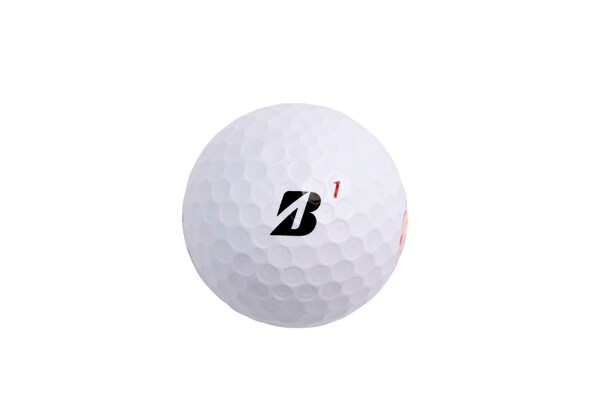
Bridgestone Golf is one of the top five golf ball companies in the world and has been a fixture among U.S.-based golf ball manufacturing operations for 36 years. On Friday, however, the company announced that it will be shutting down its Covington, Ga., ball manufacturing and testing facility, effective June 30.
Invest in Gold
Powered by Money.com – Yahoo may earn commission from the links above.
The facility, located 45 minutes east of Atlanta, employed some 160 workers as recently as 2020. Producing as many as a billion balls a year, the plant was instrumental for raising the profile of the once-sleepy eastern Georgia town that is now a hotbed of development and the TV and film industry, earning a nickname as the “Hollywood of the South.” The closing of the Covington facility will leave some 86 employees out of work.
Bridgestone officials will move the manufacturing load from Covington to Seki in Japan, where the bulk of Bridgestone’s golf balls are now made. The measure, they say, is simply a logistical revamping of the company’s supply chain and an effort to control costs. By doing so, it will, in the long run, fuel more funding for marketing and tour promotion, two keys to staying competitive in the very challenging U.S. golf ball market where Bridgestone currently trails overwhelming leader Acushnet/Titleist, as well as having dropped behind both Callaway and TaylorMade in recent years. Bridgestone Golf is a division of Bridgestone, the world’s second-largest tire brand with revenues nearing $30 billion.
Bridgestone Golf USA President and CEO Dan Murphy, who started with the company in 2004 and came back in 2018 in his current role, felt the loss deeply. “We’re proud of the legacy we’ve had in Covington, and we’re especially proud of the people that have worked here to make this company what it’s become over all these years,” he said. “These people are the salt of the earth, and it was an honor for me to be a part of this team. We will be doing the right thing by them, and we will be honoring their commitment to us as best we can.”
But Murphy also acknowledged that the manufacturing shift presents new opportunities for the brand. He pointed out that some 95 percent of the golf products sold in the U.S. are made overseas, and he emphasized that the structure in place will ensure that “our customers won’t see anything different, and this will be invisible to the consumer at retail.” The change is about remaining competitive, and instead of a significant manufacturing overhaul to the Covington facility, the company will maintain its elite operations in Japan to ensure quality control remains the same. The difference is a potential reinvigorated approach to consumer engagement, he said.
“We will be able to be more focused on the front end of our business, and it will put us on more similar footing to our competitors,” he said. “We will be stronger, leaner and doing what we need to do to tell the story of our innovative products.”
According to a press release, the Covington decision was made as “part of the company’s efforts to optimize its global supply chain and strengthen the foundation of its global golf business.
“Bridgestone Golf regularly evaluates all aspects of its business to consider market realities and ensure it remains sustainable and competitive. This decision comes after a thorough assessment of the increasing volatility in global markets and evolving challenges related to supply chain, operational efficiency, and cost management.”
Serra Hall, executive director of the Newton County Industrial Development Authority, told the Covington News, “Bridgestone Golf has been an important part of Newton County’s economic and industrial growth, and we are grateful for the legacy they have developed in Covington. We appreciate their continued commitment to maintaining their corporate and business operations locally, and we will work closely with their team and our partners to support affected employees with job placement opportunities and a smooth transition forward.”
While Covington was barely an exit on I-20 when Bridgestone first opened its operation, its plant became a fixture in the golf ball industry. Many of the balls played by Tiger Woods were manufactured in the Georgia plant. By 2014, under Murphy’s leadership, all of Bridgestone’s premium balls were made in Covington. Other tour players, including Fred Couples, Lee Trevino, Matt Kuchar and Bryson DeChambeau were Bridgestone endorsers, too, and Chris Gotteerup won two of the first three events on the PGA Tour this year with the company’s latest Tour B X ball, as well as the company’s latest irons.
And the company’s impact on the town went beyond jobs and growth. It changed lives. Through Bridgestone’s support of efforts to increase reading in the public schools, the high school graduation rate went from less than 60 percent to more than 90 percent. The pride in the workers in seeing their work shine at the highest levels was palpable. As veteran line worker Dennis Johnson put it in a 2019 Golf Digest story after Woods won the Masters that year, “It’s Tiger Woods, and we made his golf ball,” he said. “We all have a part in that, from the person receiving the rubber to the person shipping the ball out the door. Put your name on it and be proud of what you do.”
More From Golf Digest
Golf Digest Logo Golf Digest’s Golf Ball Hot List: The best new golf balls of 2026
Golf Digest Logo How golf companies that manufacture in the U.S.A. survive
Golf Digest Logo What’s the best golf ball for you? Take our quiz to find out