




One of the most inconvenient truths across all of sports is that the vast majority of franchises need to experience a period of darkness in order to see the light at the end of the tunnel.
Rebuilding – for better or for worse – is part of the fabric of sports. High draft selections and clever asset management go a long way in determining which teams are going to be able to sustain long-term success and which teams will continue to fall short, stuck in a perpetual state of mediocrity until they are forced to start from scratch all over again.
Advertisement
Given the low-cap nature of the league in comparison to other major professional sports – at least, historically – this is especially true in the National Hockey League. Teams like the Colorado Avalanche, Carolina Hurricanes, and Edmonton Oilers have all found a certain degree of success with their full, longer-term teardowns, while teams like the Detroit Red Wings, Chicago Blackhawks, and Buffalo Sabres (that is, until this season and after two decades of losing) have or had endured long, long stretches of losing with little to gain and a whole lot of lost talent over that time.
The truth is that rebuilding is a tricky, risky business no matter how you slice it, but more shots at the draft lottery invite more opportunities to find the young talent necessary to sustain winning.
But, occasionally – and, quite frankly, rarely – a franchise comes along that turns all of that on its head. And here enters Kyle Dubas’s Pittsburgh Penguins.
Top-5 Moves That Shaped Penguins’ Successful 2025-26 Season
Top-5 Moves That Shaped Penguins’ Successful 2025-26 Season There are many moves that NHL GM of the Year frontrunner Kyle Dubas made this season to contribute to the Penguins’ success – but there are five that were crucial to their first Stanley Cup Playoff berth in four years.
A shift – well, shifts – in plans
When Dubas took over the Penguins as president of hockey operations in the summer of 2023 – and, later, as general manager – Pittsburgh had just missed the playoffs for the first time in 17 years. After 16 consecutive postseason berths, four Stanley Cup Final appearances, and three Stanley Cups, nobody in the NHL had known sustained success quite like the Penguins, and nobody was more unfamiliar with losing than the Penguins.
Advertisement
So, when Dubas initially came into the fold, the plan was to give Pittsburgh’s “big three” of Sidney Crosby, Evgeni Malkin, and Kris Letang one last shot at the dance, especially since the Penguins believed they were still a contender. He made the largest-volume trade in franchise history to land three-time Norris Trophy winner Erik Karlsson from the San Jose Sharks. He made a savvy move to snag forward Reilly Smith from the Vegas Golden Knights, too.
Well, plans shifted a bit once the Penguins appeared to be fading even more despite the big offseason moves, and Dubas made the difficult decision that same season to send pending unrestricted free agent winger Jake Guentzel – Crosby’s longtime partner in crime – to the Hurricanes for a package of prospects and picks. It was the first of many moves that set the inevitable, long-time-coming rebuild into motion, and the Penguins would go on to miss the playoffs for three consecutive seasons.
Then, the summer of 2025 happened.

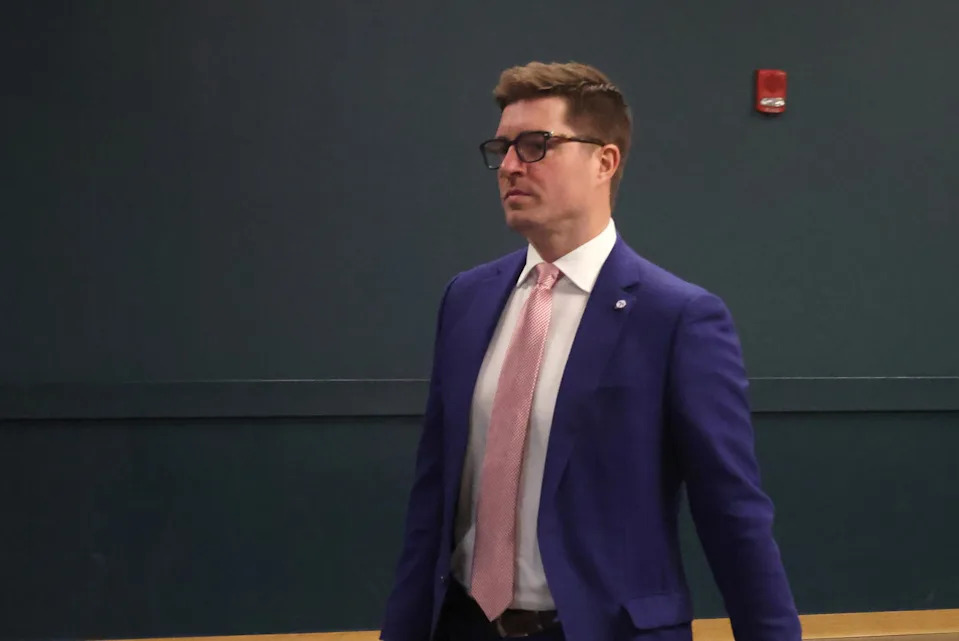
It all began when Dubas made the difficult decision to mutually part ways with longtime head coach Mike Sullivan – who was hired by the New York Rangers in pretty short order afterward – and move on to an almost entirely new coaching staff. The man for the job was Dan Muse, who had a very development-focused approach. After his hire, one of Muse’s sticking points was that he would take that approach to every single player, whether a 15-year veteran, an organizational newcomer, or a rookie.
Advertisement
And, as it turns out, he and the rest of the staff ended up with a good mix of all those things.
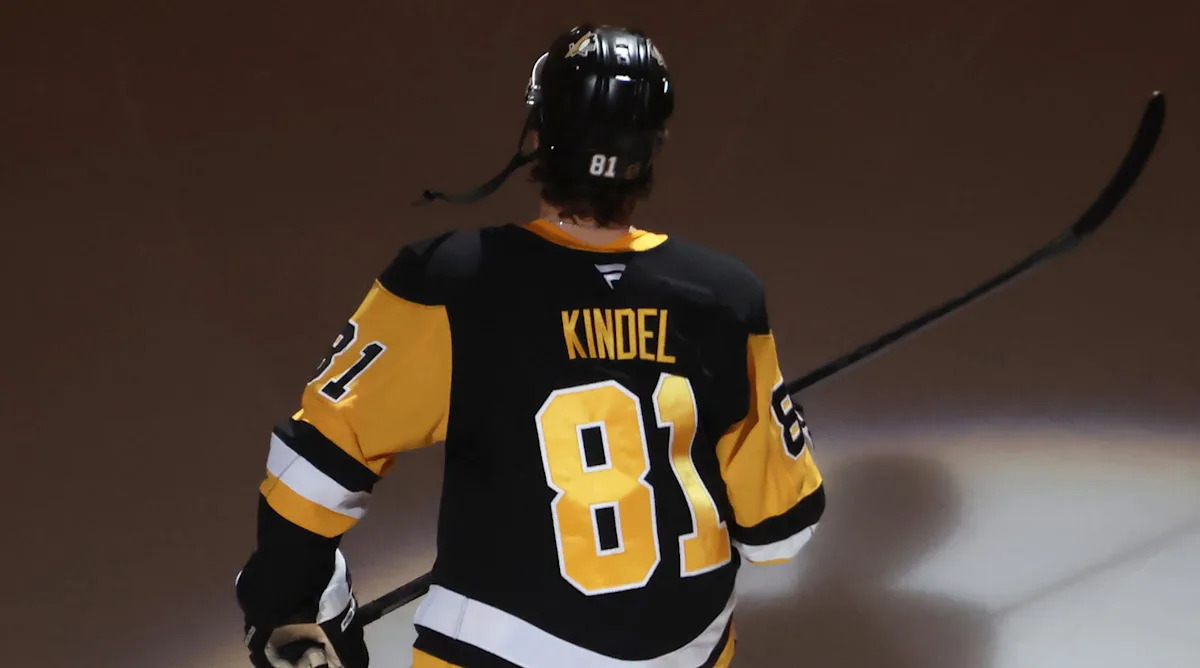
In addition to already having talented, mostly reliable veterans in Crosby, Malkin, Letang, Karlsson, Bryan Rust, and Rickard Rakell on the roster, Dubas sought out a bit of everything last summer. In the draft, he made some savvy moves to end up with three first-round picks, the first of which was center Ben Kindel at 11th overall and followed by Bill Zonnon at 22 and Will Horcoff at 24. He also acquired defenseman Connor Clifton and a second-round pick on a draft day trade involving defenseman Conor Timmins.
In the trade market, he snagged Arturs Silovs from the Vancouver Canucks for a fourth-round pick and forward prospect Chase Stillman, and he also acquired defenseman Matt Dumba – a salary dump – and a second-round pick from the Dallas Stars in exchange for blueliner Vladislav Kolyachonok.
Then, there was free agency. Winger Anthony Mantha came in on a one-year, $2.5 million deal. Justin Brazeau signed for two years, $3 million. Defenseman Parker Wotherspoon – formerly a fringe bottom-pairing blueliner for the Boston Bruins – signed for two years, $2 million.
Advertisement
Dubas put together all of these pieces during the offseason, and on the surface, the moves appeared to set the stage for the Penguins to be able to flip some value at the 2026 trade deadline, just as they had in the previous two campaigns. He took fliers on guys who, perhaps, had more to give than the role they were playing with their team or who needed another chance – like Mantha, who was coming off ACL surgery.

‘It Just Made Sense For Us To Do It At This Time’: Penguins’ GM Kyle Dubas Gives Insight On Jarry Trade
‘It Just Made Sense For Us To Do It At This Time’: Penguins’ GM Kyle Dubas Gives Insight On Jarry Trade It’s safe to say that the trade sending Pittsburgh Penguins’ goaltender Tristan Jarry and forward Sam Poulin to the Edmonton Oilers on Friday – which returned goaltender Stuart Skinner, defenseman Brett Kulak, and a 2029 second-round pick – surprised a whole lot of people, fans and players alike.
But, whether it was intentional or not, nearly every one of those moves – Dumba aside – panned out.
Advertisement
Mantha scored more than 30 goals for the first time in his NHL career. Clifton became a reliable, physical defenseman in a bottom-pairing role. Silovs played well enough during some crucial stretches of the season to help the Penguins win hockey games. Brazeau had a blazing start that helped the Penguins go 8-2-2 in the month of October. Kindel made the team as an 18-year-old out of training camp, and he was so advanced that the team kept him around. Parker Wotherspoon emerged as a shutdown, top-pairing defenseman alongside Karlsson, giving the Penguins a more formidable defensive unit.
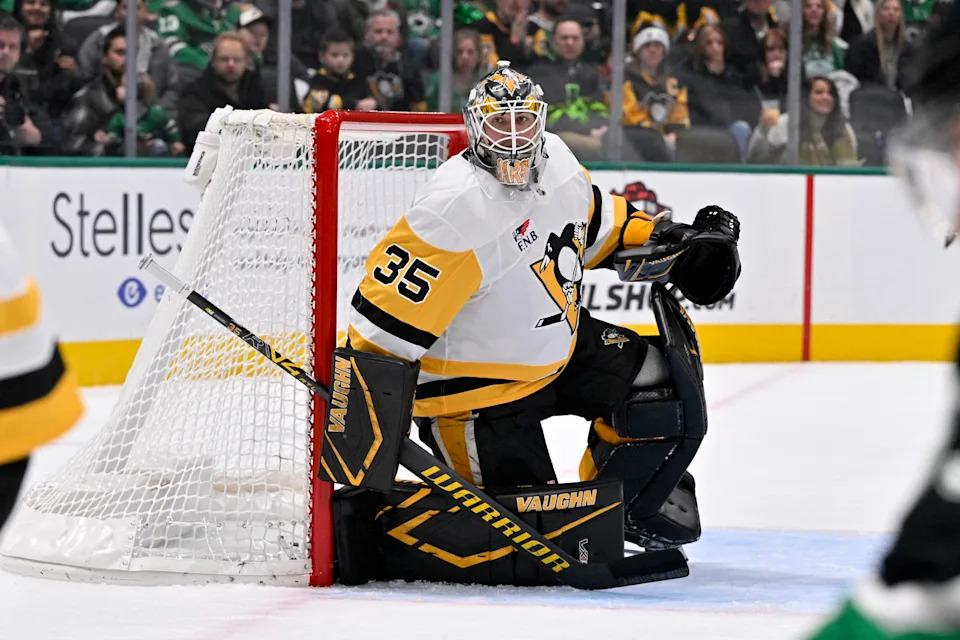
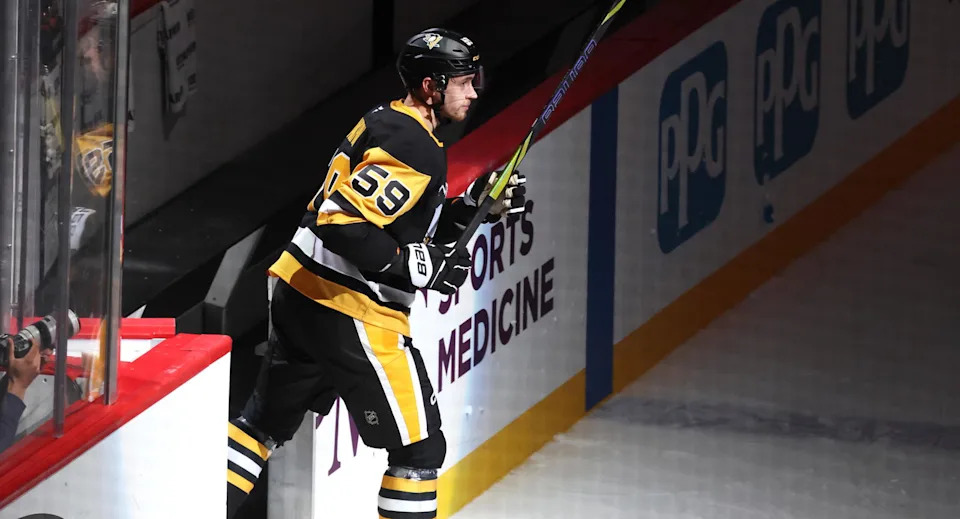
So, plans shifted again. In December, Dubas went out and – somehow – traded goaltender Tristan Jarry to the Edmonton Oilers for netminder Stuart Skinner, defenseman Brett Kulak, and another second-round pick, which helped the team. And he also bought winger Egor Chinakhov from the Columbus Blue Jackets near the end of the month for forward Danton Heinen – who was in the AHL at the time – as well as second- and third-round picks, and Chinakhov emerged as a potential star top-six winger.

Do The Penguins Have A Star Player In Egor Chinakhov?
Do The Penguins Have A Star Player In Egor Chinakhov? The Pittsburgh Penguins may have landed a star winger in Egor Chinakhov, who they acquired from the Columbus Blue Jackets on Dec. 29.
Advertisement
He later flipped Kulak for yet another second-round pick and younger defenseman Sam Girard from the Avalanche – who found his game down the stretch for the Penguins – and acquired forward Elmer Soderblom from the Red Wings at the trade deadline, who scored six goals with the Penguins in the final month-plus.
Somehow, some way, Dubas managed to make the Penguins a playoff contender in 2025-26 while getting younger, accruing even more assets, and spending a minimum in terms of both the cap and assets to land legitimate talent. Which, well, almost never happens.
And, yes, while the NHL, AHL, and ECHL teams within the organization are all competitive and have or had playoff runs – Pittsburgh was eliminated in the first round by the Phildelphia Flyers, while the other two are still going strong – the Penguins’ farm system just keeps collecting more and more talent. And their prospect pool might not yet be the cream of the NHL’s crop, but it’s making pretty drastic improvements.
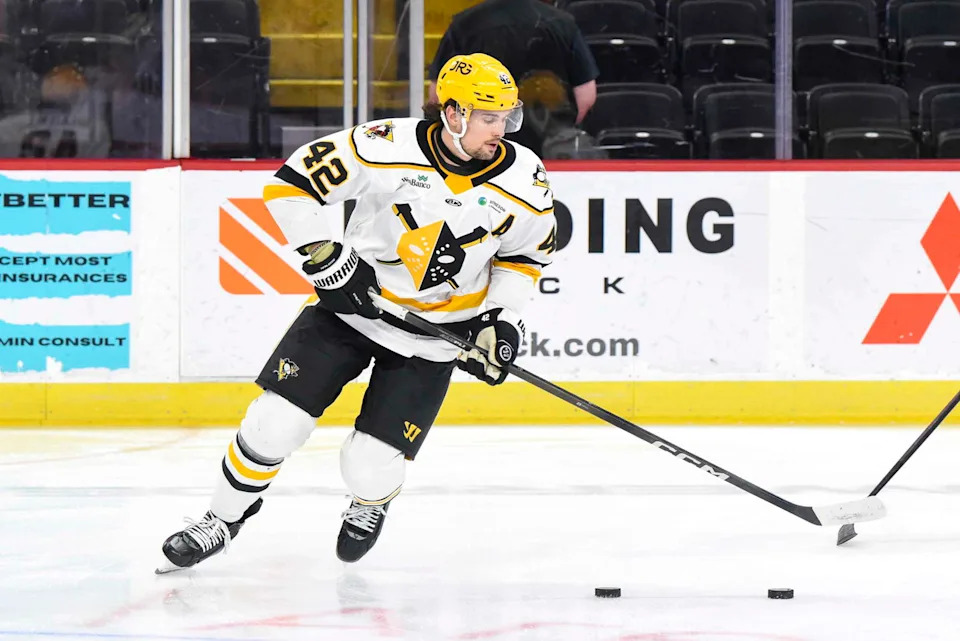
Kelly Cup Playoffs: Wheeling Nailers Take Game 1 Against Mariners In OT
Kelly Cup Playoffs: Wheeling Nailers Take Game 1 Against Mariners In OT Pittsburgh’s ECHL affiliate was able to fend off the Maine Mariners to take Game 1 of their best-of-seven second-round series.
Where the Penguins are now… short- and long-term
Again, it would be one thing if Dubas was selling out on his assets and the farm system in order to make the NHL squad a formidable playoff team.
Advertisement
But that hasn’t been the case at all.
In the aftermath of the Guentzel trade, the Penguins’ best prospects in the system – at the time – were defenseman Owen Pickering, forward Ville Koivunen (acquired in the trade), forward Sam Poulin, and goaltender Joel Blomqvist. Forward Brayden Yager – drafted in the first round during Dubas’s first summer – was also in the system at the time but was later dealt in the summer of 2024 to the Winnipeg Jets for 2022 14th overall pick Rutger McGroarty. And they drafted defenseman Harrison Brunicke with that second-round pick from the Guentzel trade.
In just two years time, there is – all of a sudden – a fair amount of promise in their system.

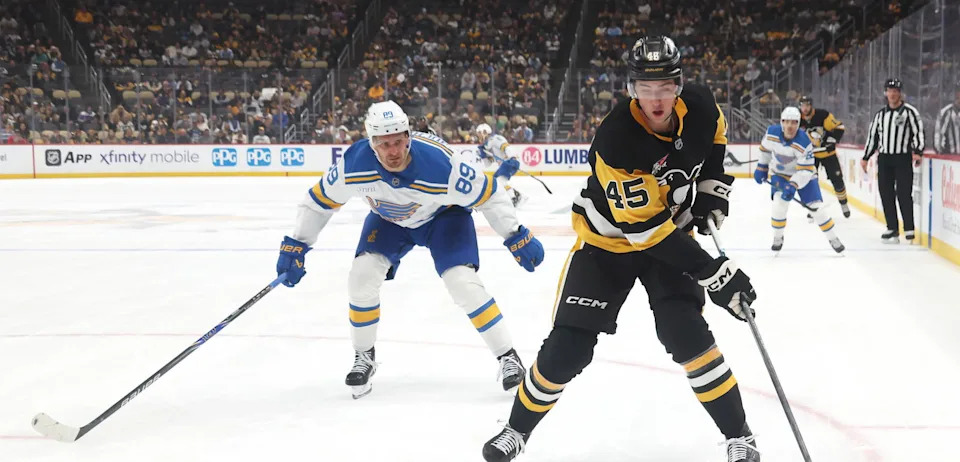
5 Penguins’ Prospects Most Likely To Make NHL Roster Out Of Training Camp
5 Penguins’ Prospects Most Likely To Make NHL Roster Out Of Training Camp The Pittsburgh Penguins should have some interesting decisions to make in terms of their NHL roster next season – and their top prospects will be a big part of that.
Advertisement
Instead of Koivunen and Poulin headlining the forward prospect pool, Kindel has already graduated to the NHL and played a full season as an 18-year-old, and they have the likes of Zonnon, Horcoff, Koivunen, McGroarty, Avery Hayes, Tanner Howe, and Mikhail Ilyin, most of whom will be primed to make the jump to the NHL sooner than later. There is also a deeper pool with upside names such as Ryan Miller, Kale Dach, Zam Plante, and Aidan McDonough, which gives them organizational depth.
As far as the goaltending, most of the netminders in their system were part of the organization before Dubas came to Pittsburgh. Sergei Murashov, 22, was a 2022 pick (118th overall) who has separated himself and emerged as the system’s top goaltending prospect, posting a 1.99 goals-against average and .937 save percentage in this year’s Calder Cup Playoffs. Blomqvist, 24, is still a solid piece, too, and tandemed with Murashov at the AHL level this season with a .9`13 save percentage in the regular season (to Murashov’s .919).
Even deeper, the undrafted Taylor Gauthier is dominating the ECHL and has for three consecutive seasons, as the 25-year-old had a .929 save percentage during the regular season and had a whopping .963 save percentage with three shutouts in seven Kelly Cup Playoff games with the Wheeling Nailers heading into Monday’s action. Then, there’s Gabriel D’Aigle, drafted in the third round (84th overall) by Dubas in 2025, who still managed to put up a .908 save percentage for the lowly Victoriaville Tigres of the QMJHL despite getting peppered on a nightly basis and facing more shots than all but three netminders in the QMJHL last season – only one of whom had a better save percentage.
Defense is where the system needs the most work. Brunicke is, far and away, the best defensive prospect the Penguins have, and while the 20-year-old is promising, he has to prove his elite skating, puck skills, transition game, and defensive improvements can translate at the NHL level. Behind him is Owen Pickering (the most NHL-ready otherwise), Finn Harding, Peyton Kettles, and Quinn Beauchesne, all of whom need more seasoning.
Advertisement
But, at the end of the day, there is far more talent in the system than there was two years ago. Dubas has done an outstanding job as far as asset management and building out a pool of players who have plenty of upside as NHL regulars.
These are the types of peripheral players that teams need to sustain Stanley Cup contention. Depth wins championships, and it’s not hard to envision around half of these players making some degree of impact.
However, the fact remains that the Penguins’ current core is still 35-plus. At some point, that has to change in order to build a long-term future of success. But, contrary to some narratives out there, that may arrive sooner than you think.

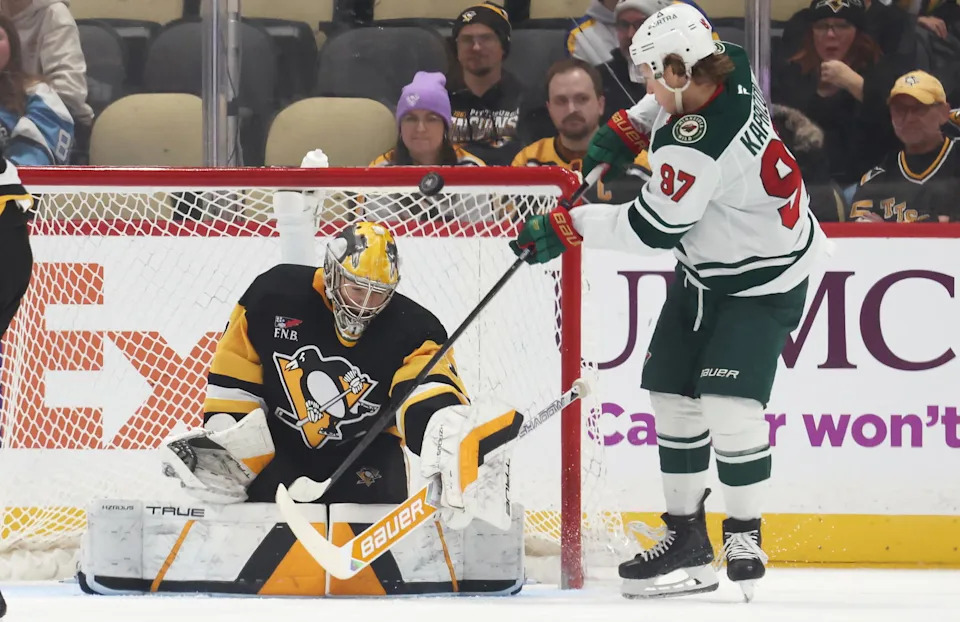
Sergei Murashov Continues To Step Up In Big Games
Sergei Murashov Continues To Step Up In Big Games Penguins goaltending prospect Sergei Murashov continues to be lights out in the big moments.
Can the Penguins start a sustainable window of contention in 2026-27?
Well, the fact of the matter is that it does, largely, boil down to what Dubas decides to do this summer.
Advertisement
But, if you’ve been paying attention, things have probably already started to play out.
For one, the Penguins have been rebuilding since the Guentzel trade in 2024. And, yes, rebuilding – not retooling. As mentioned earlier, it was pretty clear that the initial plan for this season was, likely, to flip rental/short-term overperforming players for more assets and use those assets – as well as an early draft selection in 2026 – to begin setting things into motion this summer.
Well, that part of the plan didn’t exactly happen, but that doesn’t mean it has set Dubas and the Penguins back from their short- or long-term goals. Yes, the Penguins still need that high-end core talent to add to what is already part of a potential future core in Kindel, Murashov, Brunicke, and possibly Chinakhov.
And, while they’ll eventually need to draft high, they don’t necessarily need to do that. At least, not yet.
Recently, Adam Gretz of Pensburgh posted a spreadsheet detailing each second-round team in the Stanley Cup Playoffs and how they acquired their talent. For five of the teams, at least one top-five pick (of their own) was in the fold. Only two of those teams – Colorado and the Anaheim Ducks – had three players drafted in the top-five, with all of Colorado’s being a core of players aged 27-plus in Cale Makar, Nathan MacKinnon (30), and Gabriel Landeskog (33). The other three teams in Montreal, Carolina, and Buffalo had two or less.
Advertisement
Beyond that? There were only 18 other homegrown first-round picks out of 175 players, for a grand total of 29 homegrown first-rounders. There were a nice handful of other picks, too, plenty of which Dubas and the Penguins have had.
But the vast majority of players on these teams were acquired via the trade market.
In fact, according to Gretz’s numbers, 83 players were acquired via trade, which accounts for 47.4 percent of all players in the second round. In addition, 33 players were either signed in free agency, claimed on waivers, or signed undrafted, so that means outside sourcing accounted for 66.3 percent of players in the 2026 playoffs.
So, for the Penguins, Dubas can and absolutely will build from the draft. First-rounders in Kindel, Zonnon, and Horcoff are a good starting point, and he will need more of those. But teams like the Vegas Golden Knights (to an extent) and Minnesota Wild are proof that drafting top-five isn’t entirely necessary for building a sustainable window of contention, as the Wild have only missed the playoffs twice since 2015 and Vegas has only missed once in their nine-year history.

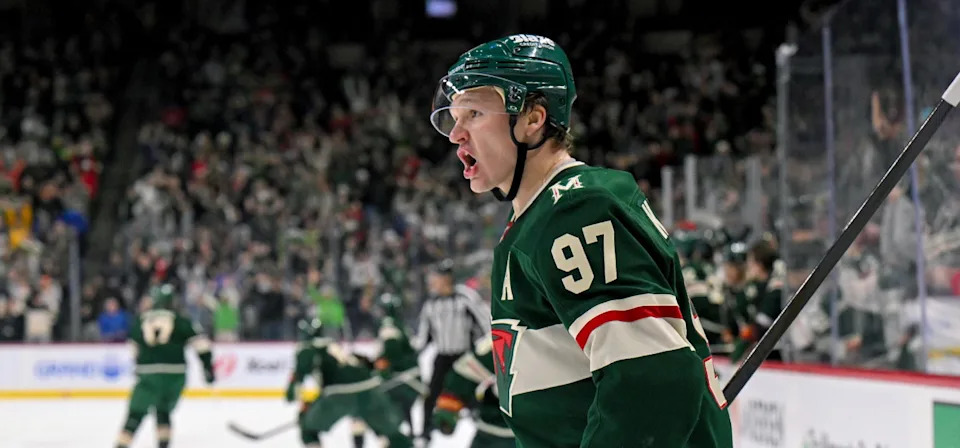
‘You Guys Give Me S—‘: Kirill Kaprizov Responds To Criticism With Dominant Playoff Performance
‘You Guys Give Me S—‘: Kirill Kaprizov Responds To Criticism With Dominant Playoff Performance Fueling a crucial Game 3 victory, Minnesota’s superstar channeled outside skepticism into a relentless performance, dragging the Wild back into the series through pure grit and competitive fire.
Advertisement
But the lesson here is that teams cannot solely rely on the draft and do, in fact, have to leverage some of their higher-value assets to land the pieces that will help them sustainably contend. After all, many of these trades involve former first-rounders from other organizations, too.
And the more draft capital and prospect talent a team has to leverage, the better-positioned they are to be able to land that talent.
With 15 picks in the first three rounds of the next three drafts – including 10 in the first two rounds – Dubas and the Penguins are in a great spot. Acquiring gamebreaking talent will require leveraging at least a first-round pick, but because of the peripheral talent that the team has already built out – and their selection in the 20s in 2026 – they’re in a position to do that.
On the surface, it may seem like the Penguins, lacking any true blue-chip prospects at this juncture (Kindel would have been one, and Zonnon/Horcoff could be), wouldn’t have what’s necessary to acquire players like Dallas Stars superstar forward Jason Robertson, Toronto Maple Leafs captain Auston Matthews, or a true first-line center in St. Louis Blues forward Robert Thomas. A team like the Stars is win-now mode, and the other two teams are likely on a downward trajectory but still holding onto hopes of playoff contention with their respective cores.
Advertisement
Even good players either with star potential or in need of a change of scenery, such as Stars’ defenseman Thomas Harley, Los Angeles Kings’ defenseman Brandt Clarke, Seattle Kraken center Shane Wright, or Vancouver Canucks star Elias Pettersson, would cost a lot, especially with the rising cap and contract values.
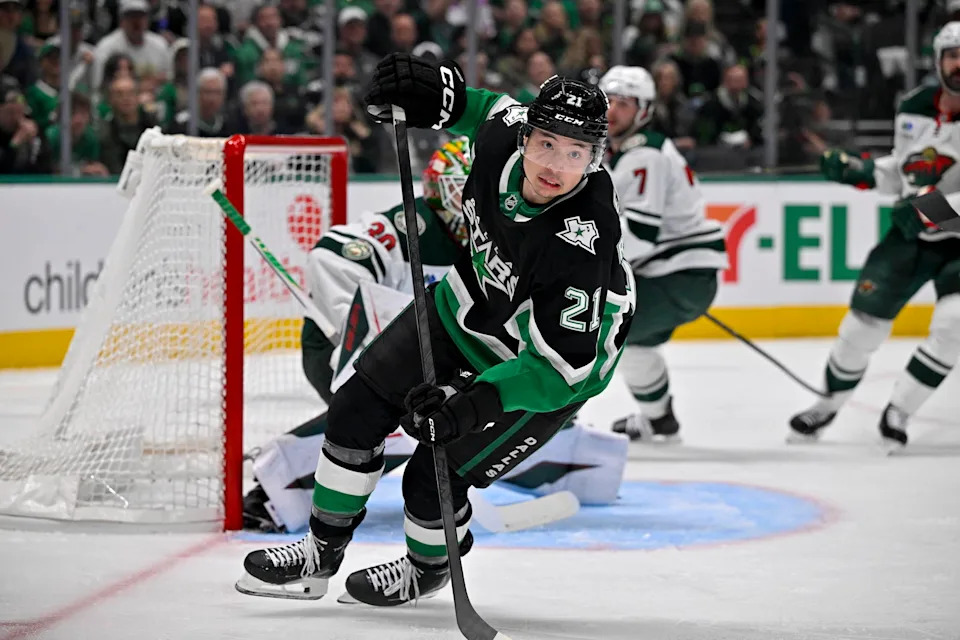
NHL Insider Says “No Reason To Believe” Jason Robertson Wants Out Of Dallas
NHL Insider Says “No Reason To Believe” Jason Robertson Wants Out Of Dallas Despite a looming salary cap crunch, insiders expect the Stars to prioritize a lucrative long-term extension for their prolific forward rather than exploring a blockbuster trade.
However, that’s where all those picks, all of that $42.7 million in cap space, and all that peripheral talent come into play. And Dubas is in an enviable position to be able to build out a package that could make teams bite.
Advertisement
Sure, a first-round pick plus a veteran like Rickard Rakell alone isn’t going to land a star player. However, if Dubas would add on a few second- and third-round picks, a higher-end, near-NHL-ready prospect or two like McGroarty and Horcoff (depending on the coveted player), some salary retention, plus Rakell and that first? Well, then a player like Robertson, Harley, or Pettersson seems more attainable. And his draft capital and wide pool of prospects with upside allows him to keep adding on if necessary, as the Penguins have enough of both to be able to expend some of their valuable capital.
It’s tricky business, but acquiring a sure star player who can be around for the short- and the long-term – and who will, overwhelmingly likely, be a better player than any singular player out of the capital they leverage, including that 22nd overall pick – is a key aspect of building for the future.
If they can acquire that game-changing player as early as this summer, they may just be able to contend sustainably – even if there might be two windows with a small gap in between.

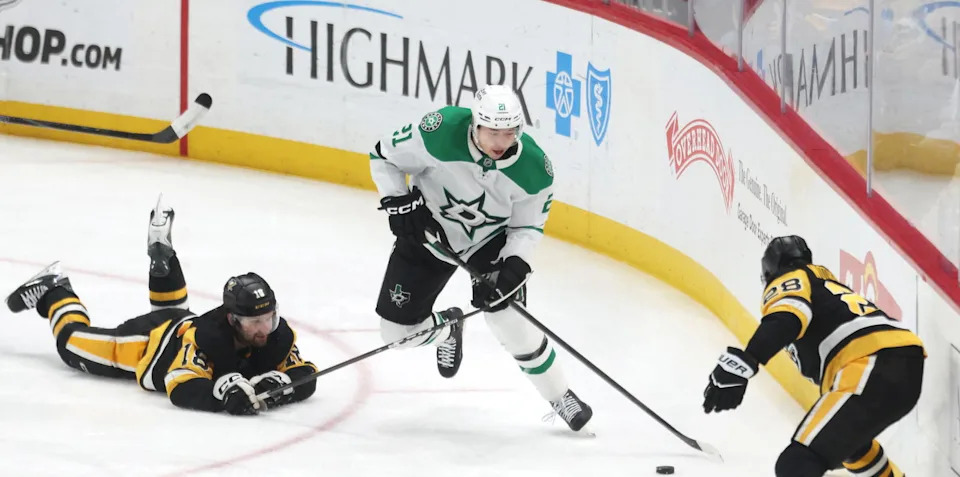
Is This The Summer For The Penguins To Trade Their First-Round Pick?
Is This The Summer For The Penguins To Trade Their First-Round Pick? After an expectations-defying 2025-26 season, the Pittsburgh Penguins are picking later in the first round of the 2026 NHL Draft – and it could open up some opportunities in the trade market this summer.
“Gap control” is key
Of course, Penguins’ defensemen could certainly benefit from improving their gap control.
Advertisement
But the gap we’re discussing here is a different kind.
Obviously, Dubas has kept his cards, generally, pretty close to the vest in terms of divulging the mechanics and timeline behind his short- and long-term plans. In fact, he has stressed on multiple occasions that he does not want to put a timeline on the Penguins’ rebuild and instead wants to, simply, do what’s best in order to get the team back to sustainable Stanley Cup contention as urgently as possible.
If you’ve been paying attention, though, woven within the commentary surrounding Dubas’s statement about the rebuild not being “binary” and his “hope in one hand, s— in the other” phrase from last spring, there is plenty of evidence to suggest that Dubas is building toward the short- and long-term simultaneously, which will likely involve two windows of contention: One before Crosby retires and one after he retires.
“The way that we’re going will continue to be clear to everybody, which is: We’re trying to return the team to being a contender as soon as possible. How are we going to do that? We have to add younger NHL players, we have to add prospects, and we have to add future capital and draft picks to the mix.
“So, my view of it is that we should be able to accomplish that and still be able to maintain our spot in the playoff race and push for it. I know that isn’t met with the most open understanding at times, and I understand why. People want it to be binary. They want it to be, ‘Are you in contention now, or are you rebuilding now?’ And the in-between is where it tends to get a little bit ambiguous. I think we kind of like it that way as well because it keeps our cards closer to our chest.”
– – Kyle Dubas on the ‘GM Show with Josh Getzoff’ on Jan. 22, 2025
Advertisement
And the key? Minimizing the gap between as much as possible.
Yes, the Penguins will, likely, still have to draft in or near the lottery zone in order to contend sustainably in the future. But that doesn’t necessarily need to happen until after Crosby decides to call it a career, especially with the earlier-than-anticipated emergence of Kindel as an option at top-six center as soon as next season.
And when you add in those other potential “core” pieces – Murashov and Brunicke should compete for a full-time roster spot next season, and Chinakhov, an RFA, will likely return – populating the NHL roster already, it stands to reason that, with a few key additions, the Penguins can be Stanley Cup contenders for a few years in the short-term.
“I just think there are a number of teams in the league that… you know, there are two paths to go down: You can go into the mass teardown rebuild and hope you get lucky with the lottery and hope that all this happens. But you can hope in one hand and s— in the other and see which one fills up first.”
– – Kyle Dubas in his 2024-25 season-ending press conference on Apr. 21, 2025
Advertisement
In addition, the Penguins can – and should – get younger while doing so. Going for some bigger names means phasing out some older veterans along the way, including players like Rakell and, possibly, Malkin and Karlsson, the former having yet to re-sign for next season and the latter entering the final year of his contract. But phasing out a few doesn’t mean they need to phase out all, especially since their draft cupboard is already in a good place – and it doesn’t mean they’d be committing to any kind of “tank” in the near-term, as the aim in dealing those players would likely be to receive younger talent in return.
So, it wouldn’t be entirely surprising to see a player like Karlsson – who helps them win in the now and makes the team better – stick around until the Crosby window concludes. Same, too, with Rust, although it would also make sense to deal a player like him as part of one of those larger packages for younger talent.
But once Crosby retires? Yes, it’s realistic to assume that the Penguins might struggle for a few years, especially if a player like Karlsson is out, too. But the purpose of building all of this peripheral talent – the Zonnons, the Horcoffs, the Howes, the Hayeses, the Ilyins, the Hardings, etc. – plus having part of a “core” in place with Kindel Murashov, Brunicke, and Chinakhov would be to help minimize the gap between windows, whether that’s using that talent for the team or leveraging some of it in the trade market.

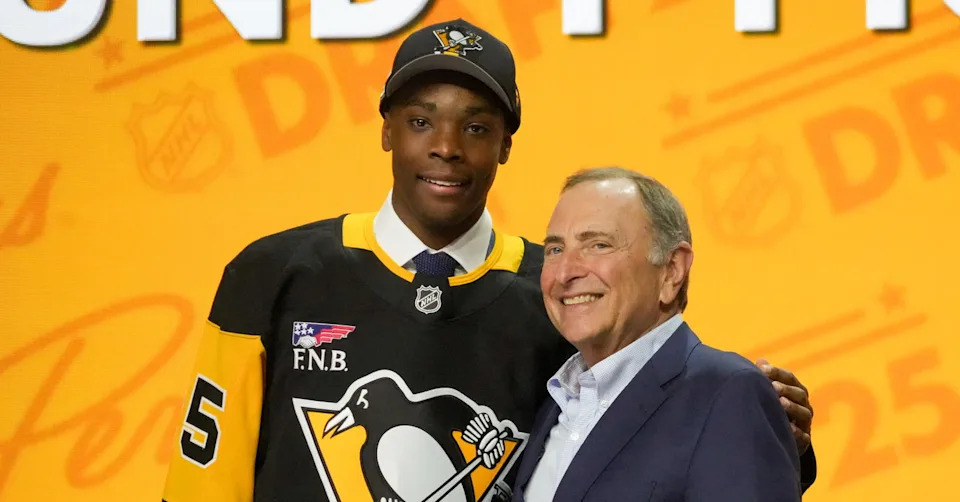
Penguins’ First-Round Pick To Make Professional Debut In AHL Playoffs
Penguins’ First-Round Pick To Make Professional Debut In AHL Playoffs The Wilkes-Barre/Scranton Penguins signed first-round pick Bill Zonnon to an ATO last week, and he will make his AHL debut sometime during the Calder Cup Playoffs.
Advertisement
And if a player such as Chinakhov or Brunicke doesn’t want to stick around for those few down years? They can, hopefully, flip them for valuable draft capital and assets, which would also help build toward that longer-term, post-Crosby window of contention.
It’s worth emphasizng that none of this is a given, and there is inherent risk in every rebuild ever attempted. Long, tear-it-to-the-studs rebuilds risk fostering a culture of perpetual losing, while shortcut retools and rebuilds risk being unsustainable in the long-term.
It appears that Dubas and the Penguins find themselves in a sort of sweet spot in between. If executed correctly, Pittsburgh won’t find themselves on the outside looking in for too long at all – and they will be primed to carry on their legacy as a franchise that accepts nothing less than a championship-oriented culture.
Not only that, they would also become the gold standard for a different yet scouting-focused, streamlined approach to rebuilding in the modern-day NHL.
NHL Announces Salary Cap For 2026-27 Season
NHL Announces Salary Cap For 2026-27 Season The NHL has announced the salary cap for the 2026-27 season.
Bookmark THN – Pittsburgh Penguins on your Google News tab to follow the latest Penguins news, roster moves, player features, and more!
Read the full article here


