





Last postseason, Aaron Gordon pushed himself to play through an injury to get back on the court for Denver, but it wasn’t enough for Denver as it got bounced in the first round of the playoffs by Minnesota.
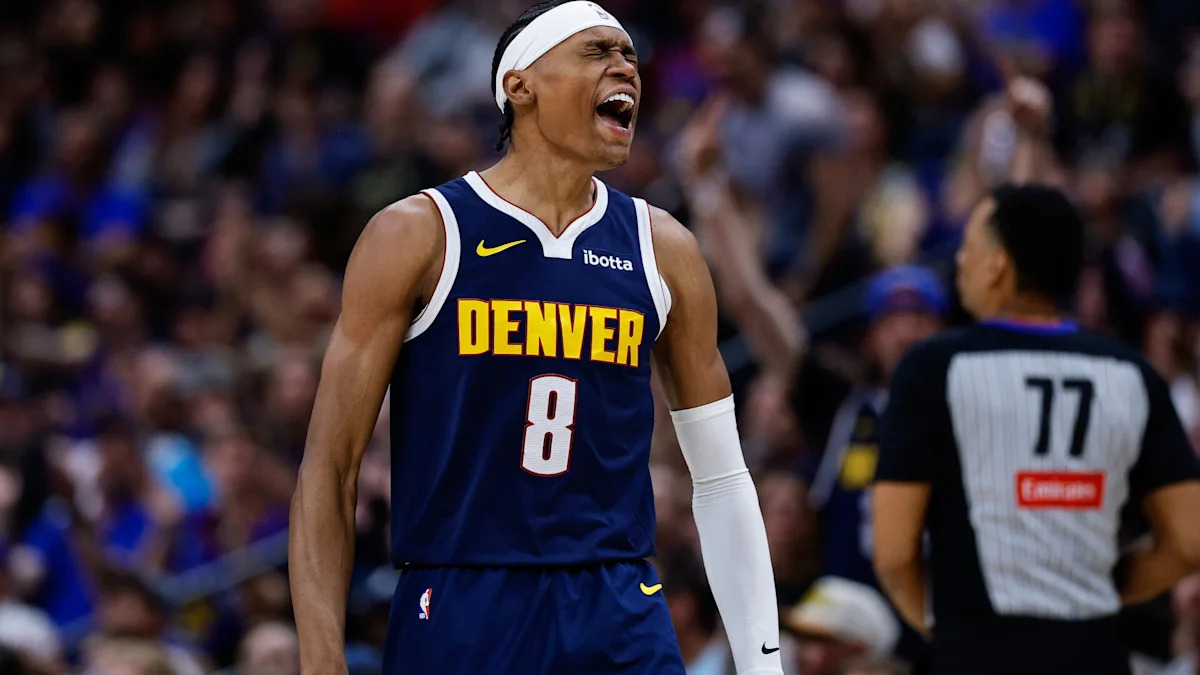
Peyton Watson did not play in that series after suffering a hamstring injury in February that lingered through the final months of the season and the playoffs. Watson was heading into free agency this summer — he just completed a sign-and-trade that gets him to Cleveland with a new four-year, $88 million contract — and the decision for him not to play in the postseason was to protect him from himself, Watson’s agent Rich Paul said on his Game Over podcast (hat tip Real GM).
Advertisement
“You’ve got to remember, he didn’t finish the season. He didn’t play in the playoffs. He was dealing with a hamstring injury, soft tissue injury. And when you’re dealing with those injuries, you have to be very careful in your return. Guys want to play, and you have to protect them from themselves in that moment. Because you’re up for a contract and it’s the playoffs, and I’ve had a pretty good year, so I need to play. And it’s important to protect that.”
There were reports during the playoffs that other Nuggets teammates were frustrated with Watson for not pushing through his injury to play. Now we know why. Paul’s answer also may not sit well with Nuggets fans, especially in the wake of what Gordon did, but it’s also what an agent should be doing — looking out for the long-term health and what is best for his client.
It’s fair to wonder if one reason the Nuggets didn’t meet Watson’s salary demands — which were less than what they paid Christian Brown the summer before — was that he didn’t push to get on the court for the playoffs. Although the larger issue was Denver’s finances, it remains over the second apron.
Cleveland needs him on the court this playoffs, with James Harden and Donovan Mitchell in the backcourt, they need his perimeter defense. His offensive game stepped up for a stretch last season, now Watson needs to show that wasn’t an excuse.
Read the full article here