





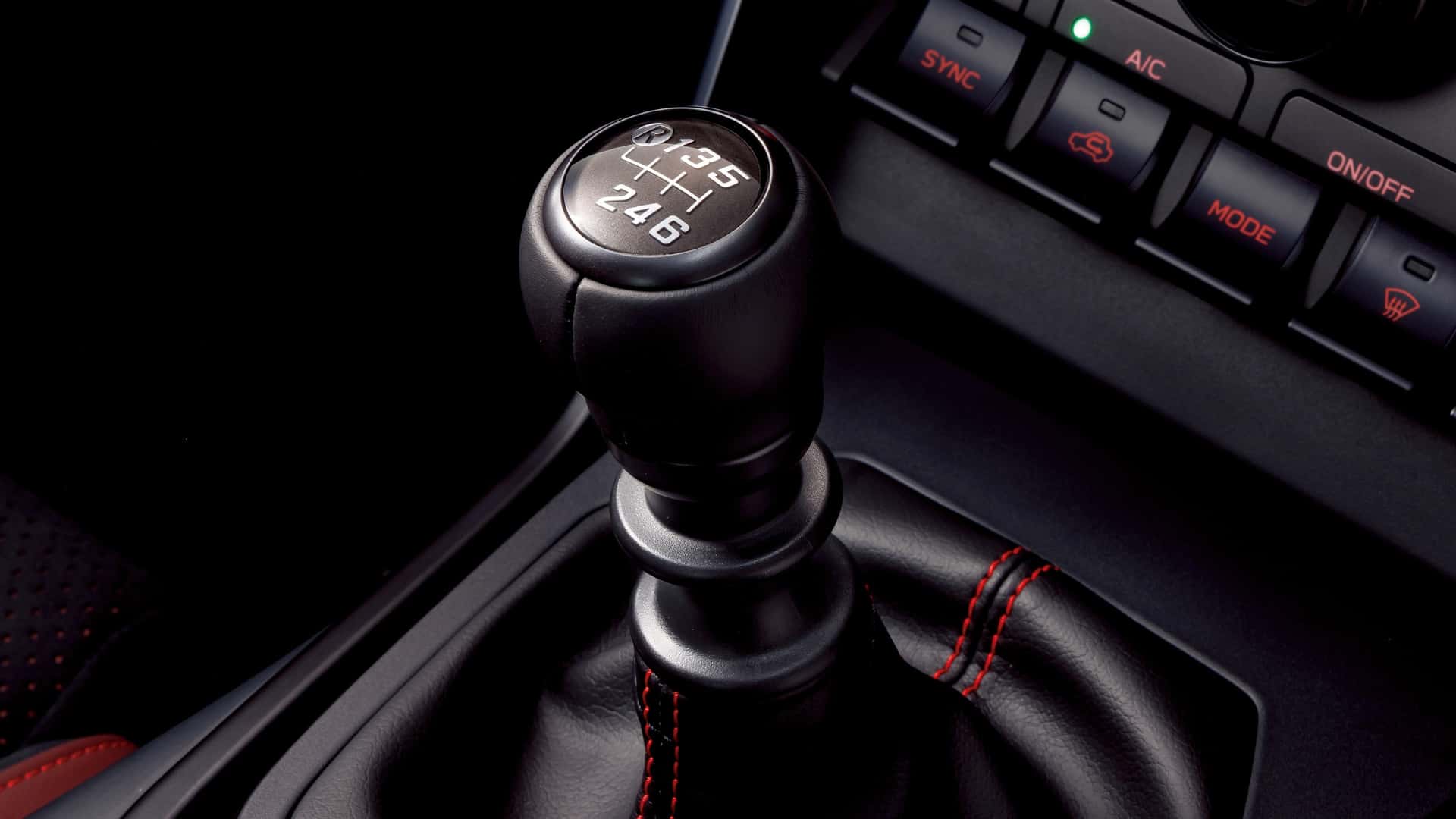
- About 92 percent of new cars ordered in the UK this year were automatics.
- In the first half of the year only 7.9 percent of delivered new cars had a manual transmission.
- Of 356 new models on sale, just 72 still offer a manual gearbox.
Britain’s love affair with the manual gearbox is turning into a short goodbye. Fresh registration data out of the UK shows almost all new cars ordered now come with automatic transmissions, even as overall new-car sales just posted a double-digit gain in July 2026. Manuals are shrinking fast inside an otherwise healthy market.
That makes the country a real-time test case for where transmission choice is headed. If you care about three pedals, whether as a driver or just someone watching from abroad, this shift matters because it shows how quickly manuals are disappearing from dealer stock and why that trend is unlikely to reverse without serious help.
Britain’s New-Car Market
The clearest sign of trouble is in the order books. Analysis of the UK market this year, based on new registration figures, found that almost 92 percent of new cars ordered were automatics, leaving manuals as a niche choice before the cars even arrive at showrooms. In the first half of the year, only 7.9 percent of new cars actually delivered were fitted with a manual transmission.
Model availability is following the same path. Out of 356 new car models on sale in Britain, just 72 still offer a manual gearbox, which means many buyers will never even see a stick-shift option on a configurator. That mirrors the way mainstream brands have trimmed their three-pedal ranges elsewhere, from BMW’s shrinking M lineup to Volkswagen ending the option on the Jetta GLI.
For context on how this compares globally, you can look at broader manual transmissions versus automatic sales numbers and how the trend has already played out in other markets. If you are specifically watching the enthusiast corner, recent moves like Volkswagen killing its last manual Jetta GLI and BMW’s M boss questioning the business case for manuals show how quickly options can vanish.
Why Automatics Are Taking Over
Several forces are pushing UK buyers toward automatics at once. Hybrids and electric vehicles are a growing slice of the market, and those either do not use a traditional gearbox or pair electrification with automatic units. July 2026 registrations in the UK rose 12 percent year on year, with a strong boost from electric vehicles, so every extra electrified sale effectively counts against manual share.
On the supply side, BMW’s performance chief has pointed to shrinking supplier support for manual hardware, echoing a broader industry view that low volumes no longer justify separate pedal sets, shifters, and calibration work. The Department for Transport also keeps a clear line between automatic and manual licenses, confirming there are no plans to let automatic-only drivers legally operate a manual. That makes stick-shift cars an even smaller training and testing niche.
If you still want to row your own gears, the window is narrowing but not closed. You can still find enthusiast specials and a handful of mainstream models with three pedals, especially if you search lists of the best manual cars still available in 2026 and track how manual transmission sales have been evolving. The realistic takeaway is that manuals in markets like Britain are moving from mainstream default to specialist choice, and buyers who want one will increasingly have to plan for it. Efforts from brands like BMW to keep a few manual performance models alive may end up defining where three-pedal driving survives longest.
Motor1’s Take: If you care about driving engagement, this matters—the stick shift is moving from everyday kit to an enthusiast-only option, which reshapes how manufacturers price, promote and preserve manual models and shrinks the pool of choices for buyers who want to row their own gears.
Read the full article here