





The 2025-26 NBA season exposed every weak spot in fantasy basketball. Tanking hit new extremes, load management sidelined stars at random, injuries ruined draft strategies and blowouts made lineups unpredictable.
Both the league and fantasy managers paid the price. If you want your league to stay competitive and still find success, here’s a glimpse into what I learned from one of the most challenging seasons of fantasy hoops.
Advertisement
Stop defaulting to the default playoff timeline
Tanking has become a fixture of the NBA, but the back half of this season was something different. The Utah Jazz were fined in February for sitting Lauri Markkanen and Jaren Jackson Jr. The Indiana Pacers got hit with a fine, too. A very untenable situation for the uninitiated. We saw an unprecedented amount of losing, with eight teams actively racing to the bottom by the trade deadline. The Jazz, Nets, Wizards, Pacers, Grizzlies, Mavericks, Kings and Pelicans were all tanking games in some capacity, and the blowout numbers backed it up. March 2026 set a record for games decided by 30 or more points. And I get it. The draft is the only way to level the playing field in the current CBA. The 2026 NBA Draft is loaded. But, damn, fans and fantasy managers are left with a tough viewing experience.
For fantasy, this means you should move your playoff schedule earlier — start the first round in Week 18 or 19 and finals in Week 20 or 21, instead of the default later weeks. Moving playoffs up by 1-2 weeks helps you avoid the worst of end-of-season tanking, load management and unpredictable player absences that disrupt fantasy matchups by Week 23. Since bottom teams now start benching players and giving minutes to lesser-known options as early as February, adjusting your playoff timeline will help maintain competitive lineups. Commissioners should update league settings before the season begins to ensure playoffs finish before teams ramp up tanking or resting stars.
The waiver wire saved more teams than the draft
The injury carnage this season created a real opportunity for players we didn’t expect to make an impact or even hear of. Like many of the tanking teams mentioned before, players like Kennedy Chandler, Daniss Jenkins, Will Riley and Leonard Miller became vital streaming options down the stretch. The number of two-way players who played meaningful minutes down the stretch seemed endless. For every injury, the managers who moved fast enough caught wind and capitalized on it. I won a league after losing Anthony Davis, my first-round pick. It was because I spent up on players like Maxine Raynaud along the way.
Advertisement
If your league uses a FAAB system, don’t hoard. This season rewarded aggressive waiver-wire managers who grabbed depth before injuries were confirmed. The injury report is public knowledge and the moment a star goes day-to-day, the player absorbing his usage becomes the most valuable add on your board. Waiting for confirmation is usually waiting too long. You might miss on occasion, but reacting to opportunity, not certainty, is how many fantasy managers scooped up Jayson Tatum ahead of the fantasy playoffs.
Pay attention to the two-game weeks in the fantasy playoffs — it got me
This one stings if you learned it the hard way. Fantasy week scheduling is mostly a coin flip — some weeks teams play four games, some play two — but not every two-game week is the same. The real differentiator is when you notice those two games on the docket, can you rid yourself of that liability before your leaguemate realizes what you’re doing?
Advertisement
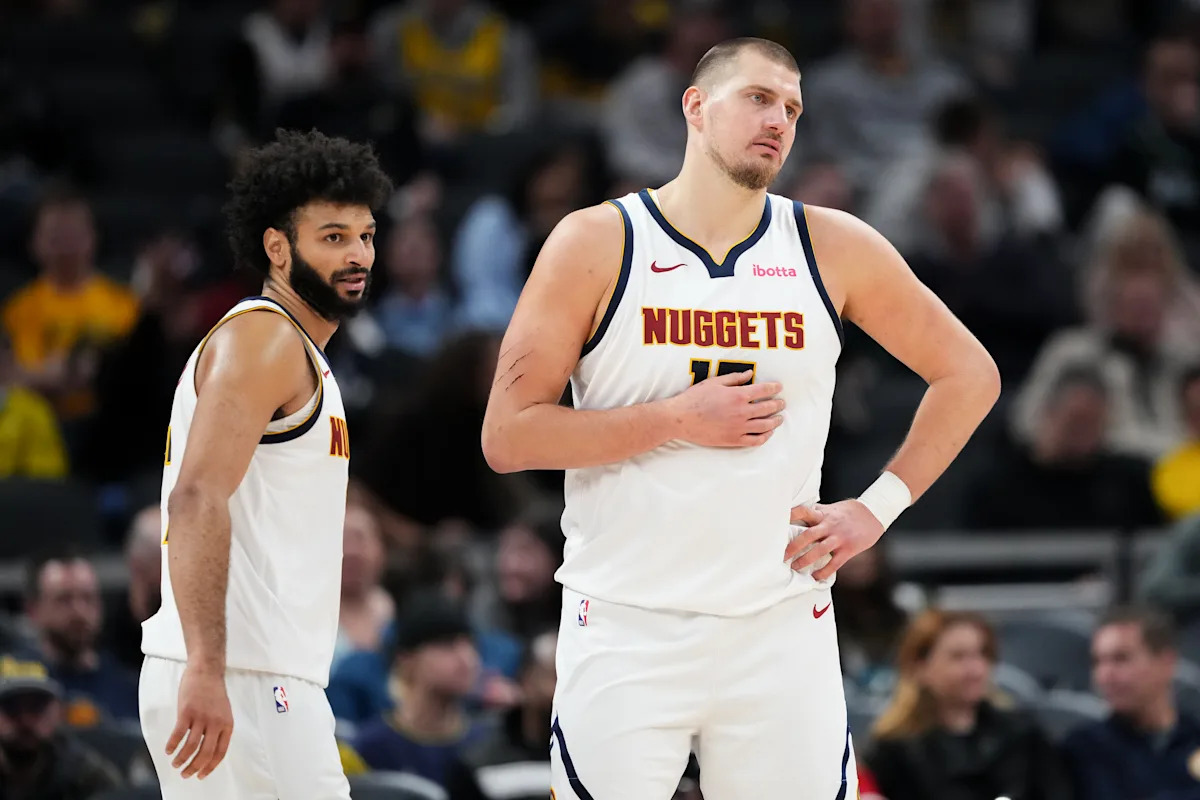
Week 23 was a prime example. Nikola Jokić and Jamal Murray were doing their thing as arguably the best fantasy duo in the NBA — playing heavy minutes as Denver pushed to protect its playoff positioning. However, having only two games puts fantasy managers in a bind, forcing them to keep up. You can’t drop them. And even with their elite production, the loss in the volume game likely hurt your chances. My advice? Don’t let that be you. Trading Jokić or Murray seems unfathomable, but in the long run (and considering the haul you’d get), it may have been a sound move to give your team the best chance to maximize the schedule in the fantasy championship. Another option is to not draft players from those teams at all — but c’mon, who is actually passing on drafting Jokić if he’s on the board?
Check out hashtag basketball’s advanced schedule grid well before the playoffs begin. Understand which teams are at a disadvantage in games played. It’s just as important to know which playoff-bound teams are fighting for seeding and where they sit in the standings. You want to have those 4-4-4 or 4-3-4 type of playoff schedules lined up to compete for a championship.
Giannis Antetokounmpo and Joel Embiid both failed to reach 40 games this season. Anthony Davis, Ja Morant and Trae Young? All played in 20 or fewer games.
Advertisement
This isn’t about blaming anyone — injuries happen (Kawhi was an anomaly) and the season is long. But the volume of star absences this year is a data point worth building around. You have to price in the risk. And yes, there’s always a price — you know the player who slides in the draft where you say, “fine, whatever, I’ll take the value.” But after this season, that logic breaks down for a specific tier of names. The combination of age, situation, injury history, and frustration has crossed a threshold that no discount fixes. Davis, Morant, Embiid, Paul George, Markkanen, Domantas Sabonis and Zach LaVine are all on that “nah, I’m good” no-draft list heading into next season. The cost that would make you say “fine” keeps dropping and even the discounted price feels like too much. It’s just not worth the headache.
Read the full article here