




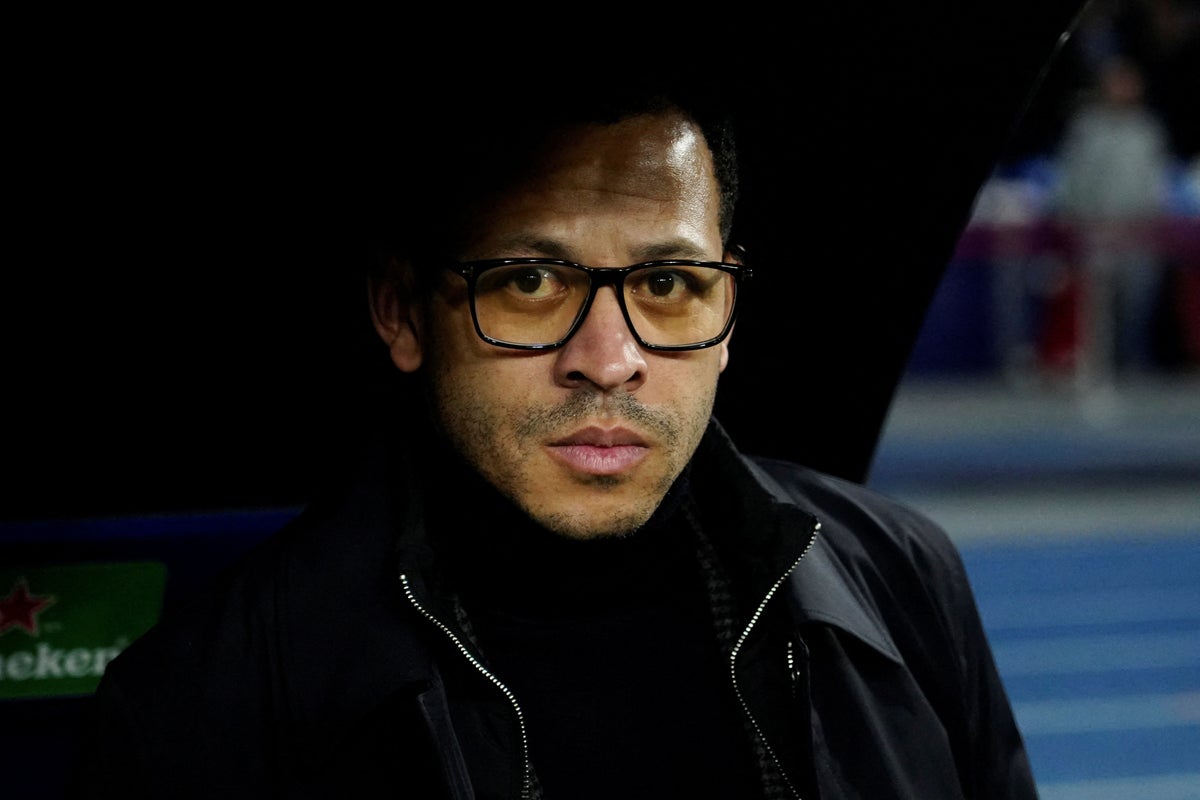
It’s the sort of story that always comes out when a manager goes, but actually tends to indicate doom long before then. Even weeks before Liam Rosenior left Chelsea – a decision eventually confirmed on Wednesday evening – some players couldn’t help indulging in some of the unfair commentary.
Sources say some comments surrounded Liam Rosenoir’s decision not to wear his glasses at the training ground. One or two even joked about whether it was to look tougher.
Advertisement
This fed into a huge reason why the 41-year-old has now gone, and why Chelsea now face up to an FA Cup semi-final with Calum McFarlane again a stand-in. Rosenior never had full authority over that dressing room, in a development that was all too predictable. A promising young coach just wasn’t ready for this job, at this time, as anyone could have told the hierarchy.
Even the considerable number of players who were sympathetic to Rosenior sensed a change in him around the same time. They felt he wasn’t as sure of himself as in January, that he became too forced, even with the tactical insights that he does display a talent for. The increasing penchant for “manager speak” became worse.
It didn’t help that some insiders were openly talking about how his instructions weren’t being followed, and that people were joking about the “LinkedIn” language. “Marking assignments” has probably entered the football vernacular for the wrong reasons Chelsea sources have been keen to insist that this decision wasn’t down to any rupture in relationships, and it is true that he had the backing of many people at the club. People like him. He is seen as a good and honest guy, who can obviously succeed in the right setting.
That’s partly why there was a sensitivity to an otherwise brutally abrupt sacking. Some leading figures still wanted to persist with him. The situation essentially became untenable, however, once it was apparent that some of the dressing room was “close to mutiny”.
Advertisement
A core of players – to use classic football parlance – just “weren’t having him”. While that had already been a primary factor in just how bad performances got, producing the club’s worst run of league results since 1912, a final straw was the post-match interview after the 3-0 defeat to Brighton.
As if sick of constantly having to explain defeats, Rosenior pointed to players in the most striking language, describing it as “unacceptable”. Multiple sources insist some of the players felt the same about the interview, that there was “anger”.
That response is itself seen as a bit rich given certain individual performances, but it points to something that never changes in football – and that this club knows better than most. Ultimately, it’s much more difficult to change the players than the manager. That’s especially when so many of them are on lengthy contracts, as has become a trend at Stamford Bridge under BlueCo. Rosenior himself had a six-year contract, but many sources state that the terms will only mean a one-year payout. The description within Chelsea is that it as “favourable” to both parties.
Rosenior appeared to have lost the dressing room (PA)
A sourness might persist in how it’s not like many of the players currently look like they are worth keeping, either. Aside from the obvious questions about the strategy in how the squad has been put together, one description has been of a “spoiled” group. Figures at teams who recently beat them were scathing, the atmosphere around the Chelsea group reminding them of the worst moments around their own clubs.
Advertisement
It’s not like Rosenior really did anything to justify such a premature appointment, however. His perceptive tactical insights were a bit pointless if he couldn’t get enough players to fully follow them. The final interview played into another doubt that had been playing on the minds of those at the club, that Rosenior’s very profile was increasingly “becoming a distraction every week”.

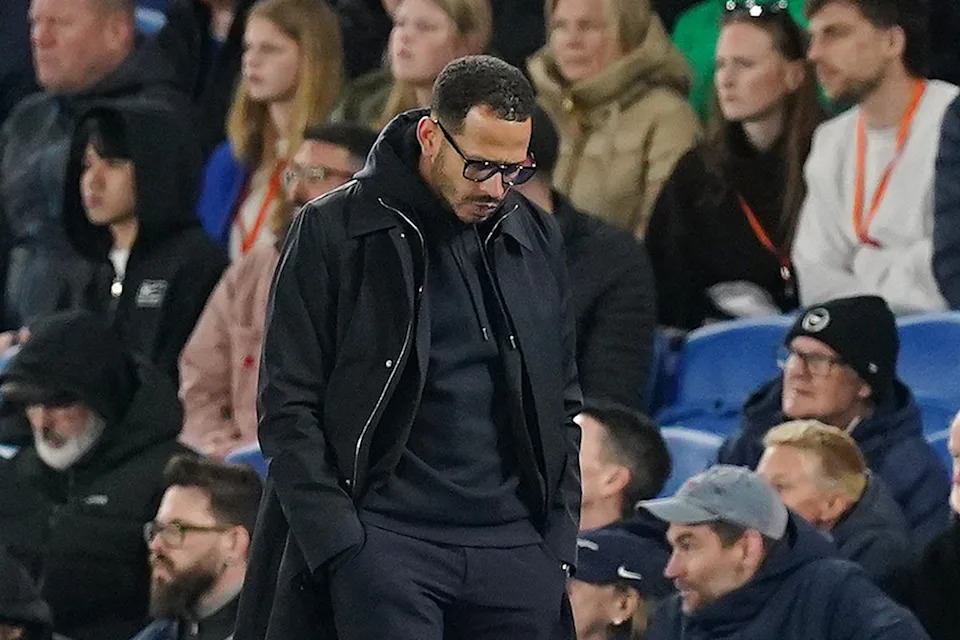
Rosenior faced chants calling for his sacking during the loss to Brighton in midweek (PA)
That was most emphasised with the Enzo Fernandez controversy. It came full circle with the Argentine ultimately offering a defining image of Rosenior’s departure, standing there and shrugging his shoulders to the away crowd, while also reflecting the circularity of Chelsea problems beyond the manager. Rosenior obviously had to deal with Fernandez in some way, and club sources both backed him and initially felt it was impressive management. The midfielder is a strong character who had the support of some key players; however, so it just ended up creating more noise; another distraction and more controversy. It all came back around.
Ultimately, nothing was actually resolved. More problems festered. Not all of those problems were down to Rosenior’s inexperience, or personality, mind. One argument that has repeatedly been made within Chelsea over the past few weeks is that it’s always difficult for a new coach to come in mid-season anyway, but especially when there are tactical differences to their predecessor. Rosenior was attempting to introduce his own ideology. There’s even a belief from some sources that spoke to the Independent that a shift away from Enzo Maresca’s more possession-based approach – especially after the Club World Cup – may have contributed to an injury crisis, which only made Rosenior’s job harder, with his best players frequently absent.
Advertisement
All of which only emphasises what a mess the club has become. Something was going wrong at almost every level. Certain fan dissent still sees the departure of Maresca as utterly needless, but that decision tends to be defended within Chelsea. There is now a widespread belief in football that the Italian will take over from Pep Guardiola at Manchester City whenever the Catalan leaves. Whatever the truth of that, it was not a future Chelsea could countenance.

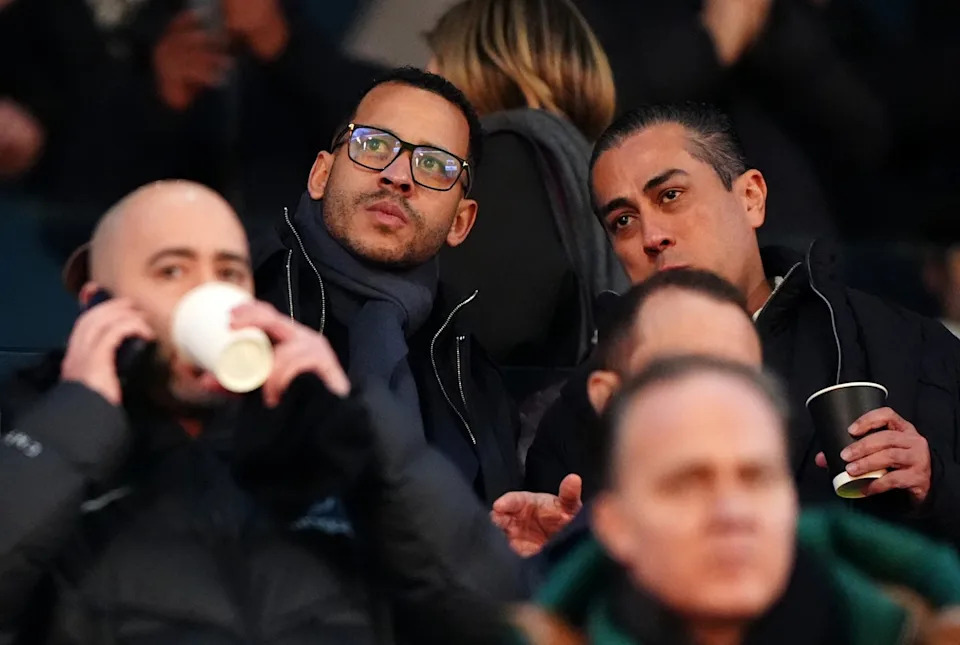
Liam Rosenior and Chelsea co-owner owner Behdad Eghbali (PA)
But it’s not like the present is what they want, either. Fingers can be pointed at everywhere, but all of that is a consequence of the thinking at the top. The talk within Stamford Bridge has been of “full accountability at the highest levels”, but so much ultimately comes back to the ownership. Behdad Eghbali is the key voice. It was written in The Independent on Tuesday evening that these failures almost represent a morality play for a private equity group fundamentally seeking to exploit football; that this is a project that just doesn’t have the right priorities.
Rosenior’s lamentable fate, and a career that may have been set back by an ill-advised appointment he couldn’t say no to, is just another act in that play. It never looked like a long-term plan. It came together chaotically and ended chaotically. That’s the story of Chelsea right now.
Read the full article here


