




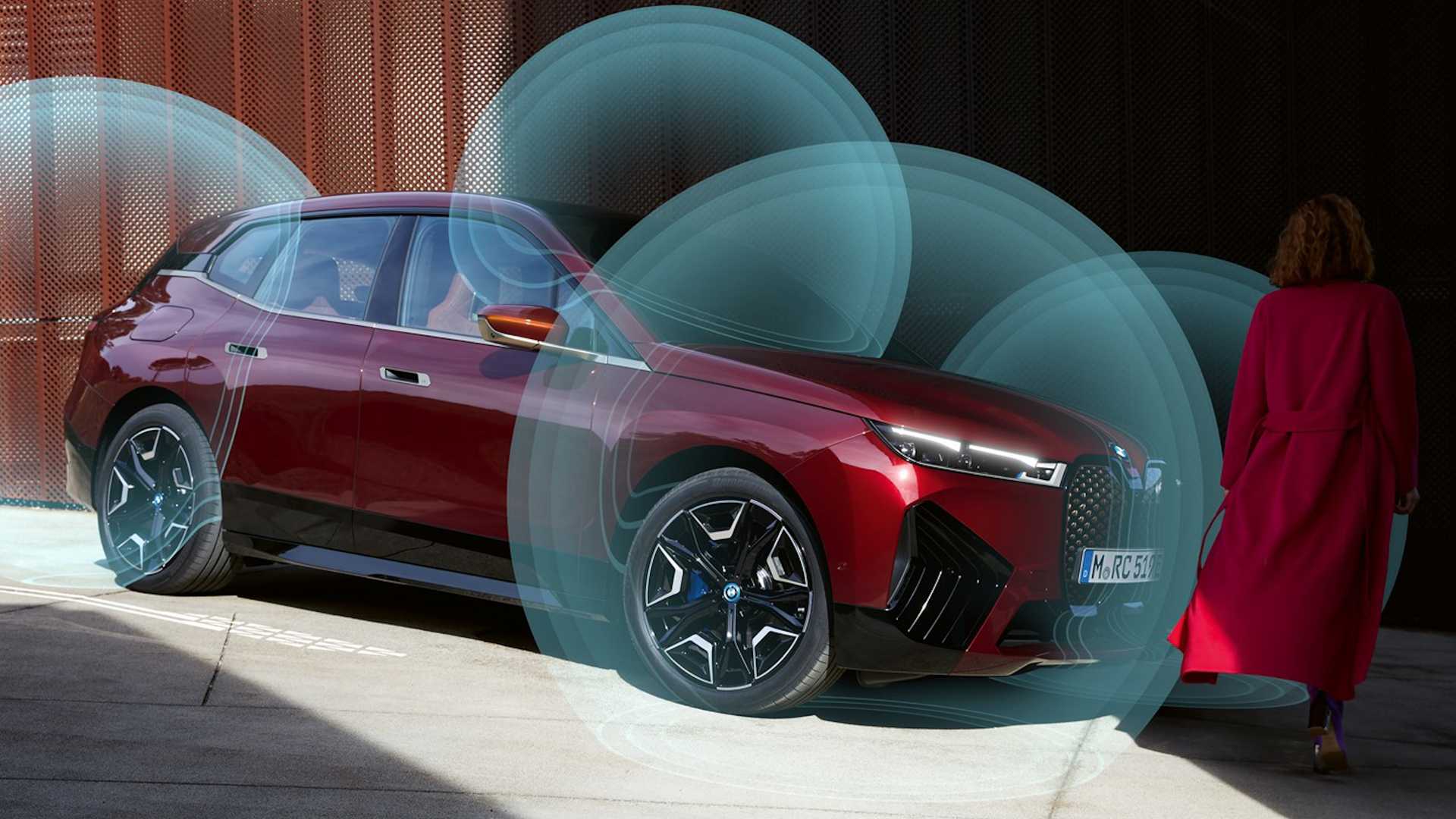
- Automakers now favor fewer, higher-impact OTA releases instead of frequent smartphone-style patches.
- Industry scale—hundreds of millions of connected vehicles by end of 2025—plus safety rules slow cadence and increase testing.
- OTA updates increasingly change core vehicle functions—driver-assist calibration, EV charging and powertrain—and are staged to small cohorts.
Your car’s next big software update may not show up every other week, and that’s on purpose. As more models become “software-defined,” major automakers are rethinking over-the-air (OTA) updates and trading constant tweaks for releases that actually change how the vehicle behaves.
This shift matters because OTA is no longer just about new apps or a snappier touchscreen. With hundreds of millions of connected vehicles now capable of remote updates, carmakers are deciding which systems get touched, when, and how often. Owners have to pay closer attention to what a download does, not just when it arrives.
How OTA Updates Are Changing
Automakers are backing away from the smartphone-style approach where tiny patches roll out just to show activity. As fleets of connected vehicles grew into the hundreds of millions, that scale forced companies to weigh cost, risk, and customer reaction instead of chasing update counts as a headline.
There is also clear owner fatigue. Drivers expect cars to improve, but they also expect stability and do not want a stream of mystery downloads. Analysts argue that the real differentiator is the ability to create ongoing value through software, not pushing the most OTA updates. Some brands still lean into rapid feature drops, while others, like Ford, have moved to more predictable batch releases.
Safety and compliance pressures shape the cadence, too. Regulators such as NHTSA treat some software changes almost like traditional recalls when they touch safety systems or emissions behavior. Official guidance on OTA and vehicle cybersecurity pushes automakers to test thoroughly, document changes, and lock down communication paths, which naturally slows things and favors fewer, more deliberate releases.
Mercedes-Benz MBUX Entertainment OTA Update
Photo by: Mercedes-Benz
What This Means For Drivers
The biggest change for owners is that OTA updates increasingly target core functions, not just infotainment toys. Modern releases can adjust driver-assist calibration, alter charging behavior on electric models, or fix bugs in powertrain controllers. Many software-related recalls can now be handled remotely, which cuts down on service visits but raises the stakes if a bad build slips through.
That risk is driving more selective rollouts. Automakers commonly stage a release to a small slice of vehicles, watch for issues, then expand. If you and a neighbor own the same model, you might see a major feature weeks apart because your vehicles sit in different test cohorts. Some brands also tie feature unlocks and connected services to subscriptions, even though surveys show many buyers dislike paying monthly for capabilities already built into the car—if you are weighing a subscription-heavy model, it helps to understand why cars have subscription features and how that ties into OTA.
For many owners, the new pattern will feel like fewer but more noticeable updates. You might go months without seeing anything, then wake up to a car that charges faster, behaves differently in driver-assist modes, or adds a new interface for navigation. That makes it worth knowing roughly how long car software updates take, what is safe to do while the car is updating, and why it pays to skim the release notes so you can tell the difference between a lighthearted extra, a new subscription hook, or a safety-relevant patch.
Owners tired of half-baked features have pushed automakers to slow down and prioritize reliability. As automakers pivot toward fewer, higher-impact OTA releases, drivers should expect less noise, more meaningful changes, and a clearer split between fun add-ons and serious fixes. That tension—between “constant evolution” and “don’t break my car”—is reshaping everything from infotainment strategies to how frequently brands push big over-the-air bundles. If you care about stability more than novelty, arguments that automakers need to slow down and improve reliability, like those raised in recent discussions on software reliability, may line up closely with how you want your next car to update itself.
Motor1’s Take: The move from constant micro-patches to fewer, higher-impact OTA releases favors owners who want stability over constant novelty and makes release notes more important, because more updates will touch driving and charging behavior; watch how manufacturers stage rollouts, and if stability is your priority, weigh update timing and subscription terms when you shop so you can install major builds when you can monitor the car.
Read the full article here


