





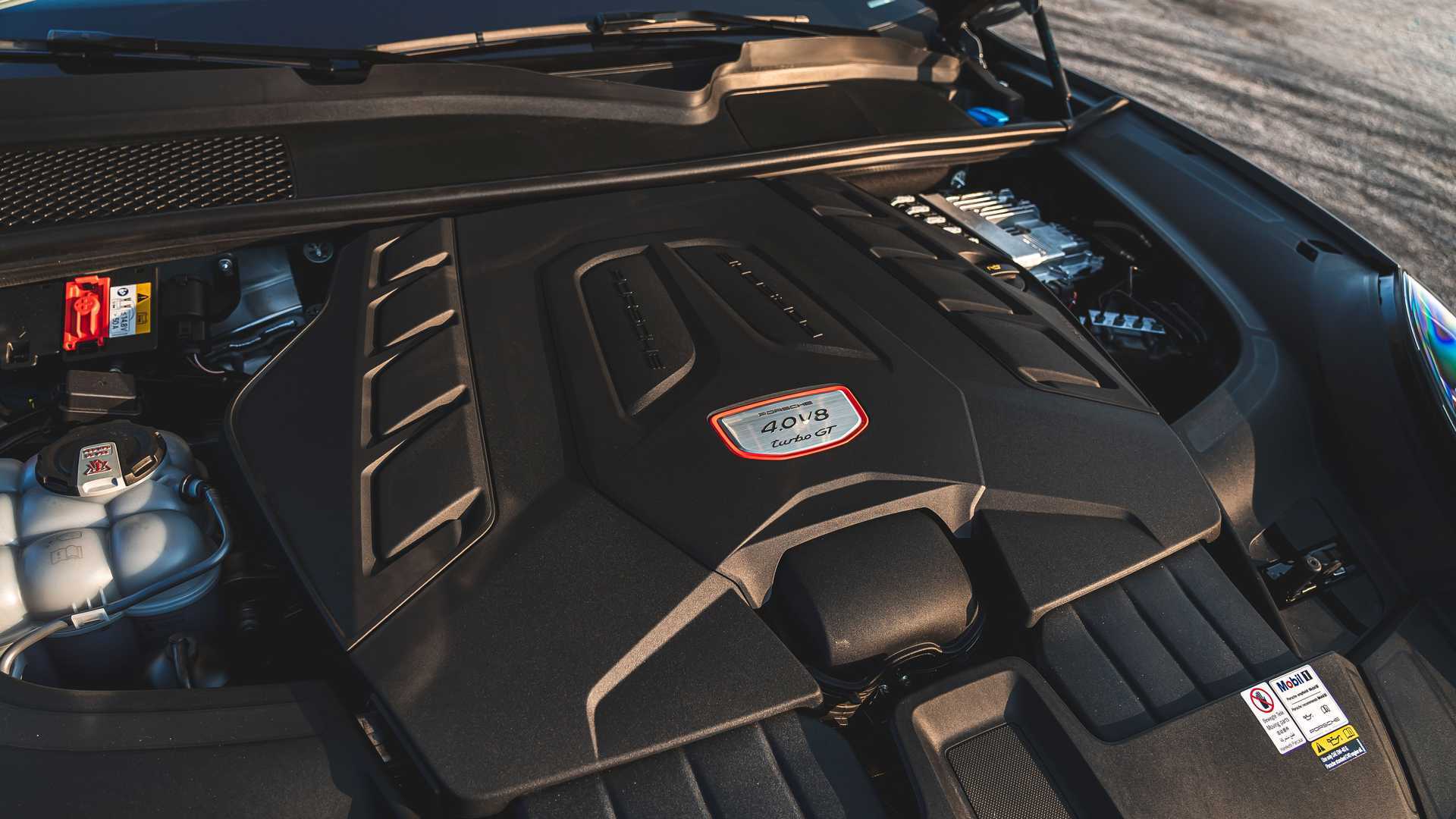
- Porsche is extending its commitment to combustion engines.
- The revised strategy calls for keeping gas and hybrid models well into the 2030s.
- Some future models will be co-developed with Audi.
It’s been four years since Porsche projected EVs would account for more than 80 percent of its sales by the end of the decade. Although it’s only 2026, that target has already been abandoned, as electric cars aren’t gaining traction at the rate estimated in early 2022. Last year, vehicles without combustion engines accounted for 22.2 percent of total shipments.
Even with an electric Cayenne now out, the original 80-percent objective feels like grasping at straws. Porsche is no longer pursuing such lofty EV goals, instead committing long-term to combustion engines. Plans for a new combustion-engine crossover have already been announced as a replacement for the first-generation Macan.
The larger three-row SUV will launch first with ICE power, and a next-generation Cayenne with gasoline and hybrid drivetrains is also on the way. More importantly for enthusiasts, the 718 Cayman and Boxster will return with combustion engines. As for the 911, there were never any announcements about going electric. In fact, Porsche once said the 911 would go down in history as the company’s last gas-fueled car.
Looking ahead, Porsche has no intention of abandoning ICE. Speaking with Auto Express magazine, Cayenne product boss Ralf Keller revealed the Zuffenhausen-based luxury marque intends to stick with gas engines well into the 2030s: “We plan to have these combustion engines and hybrids [available] far into the next decade.”
The Cayenne is likely to be the first of a new wave of ICE products. The current combustion-powered generation has been around since 2017, with a facelift introduced in 2023. Logic suggests a replacement will arrive in the next couple of years. Meanwhile, the electric 2027 Cayenne will remain strictly an EV, as it won’t be modified to accommodate both gasoline and electric drivetrains.
Keller suggested Porsche could use the Premium Platform Combustion architecture co-developed with Audi. PPC will underpin a successor to the original Macan, which will once again be twinned with the Audi Q5. The large three-row SUV mentioned earlier is also expected to use this architecture, which means there will be some similarities to the upcoming Q9.

Photo by: Brian Silvestro / Motor1
The next Cayenne could also be closely related to an Audi model, namely the third-generation Q7, which arrives later this year alongside the larger Q9. PPE is a follow-up to the MLB Evo architecture, with a greater focus on hybrids and an upgraded electrical architecture, opening the door to more advanced technology.
As for the sports cars, the Boxster and Cayman are likely to remain an all-Porsche effort. However, the electric 718 models will be connected to Audi, as the Concept C targa stunner, launching next year, will use the same platform.
In an interview with Automotive News Europe, Porsche CEO Michael Leiters suggested deeper collaboration with the brand from Ingolstadt: “Audi is a key partner for us. We want to leverage shared potential even more.”
Both Porsche and Audi will have to align their product strategies for combustion-engine cars depending on regional legislation. Although the European Union has backed away from a 2035 sales ban on new ICE cars, it still wants automakers to slash CO₂ emissions by 90 percent compared to 2021 levels. It will be a major undertaking for the two luxury brands from the VW Group to comply.
20
Source: Brian Silvestro / Motor1
Motor1’s Take: Since abandoning its 2030 target, Porsche has made all the right moves. It also helps to have a partner in Audi to fast-track development and limit costs through economies of scale. With sales falling by 10 percent in 2025 after a three-percent drop the year before, fresh models can’t come soon enough.
The ICE Macan replacement is by far the most important in terms of volume. The first-generation crossover will be retired by the middle of this year, but its successor won’t be ready until sometime in 2028. The new Cayenne and flagship SUV are also expected before the end of the decade.
The return of gas-fueled sports cars is unlikely to move the needle but should help repair Porsche’s image after production of the ICE-powered 718 models ended last year. The Macan, Boxster, and Cayman were discontinued in Europe in 2024 after failing to meet new cybersecurity regulations.
Sources:
Auto Express, Automotive News Europe
Read the full article here