





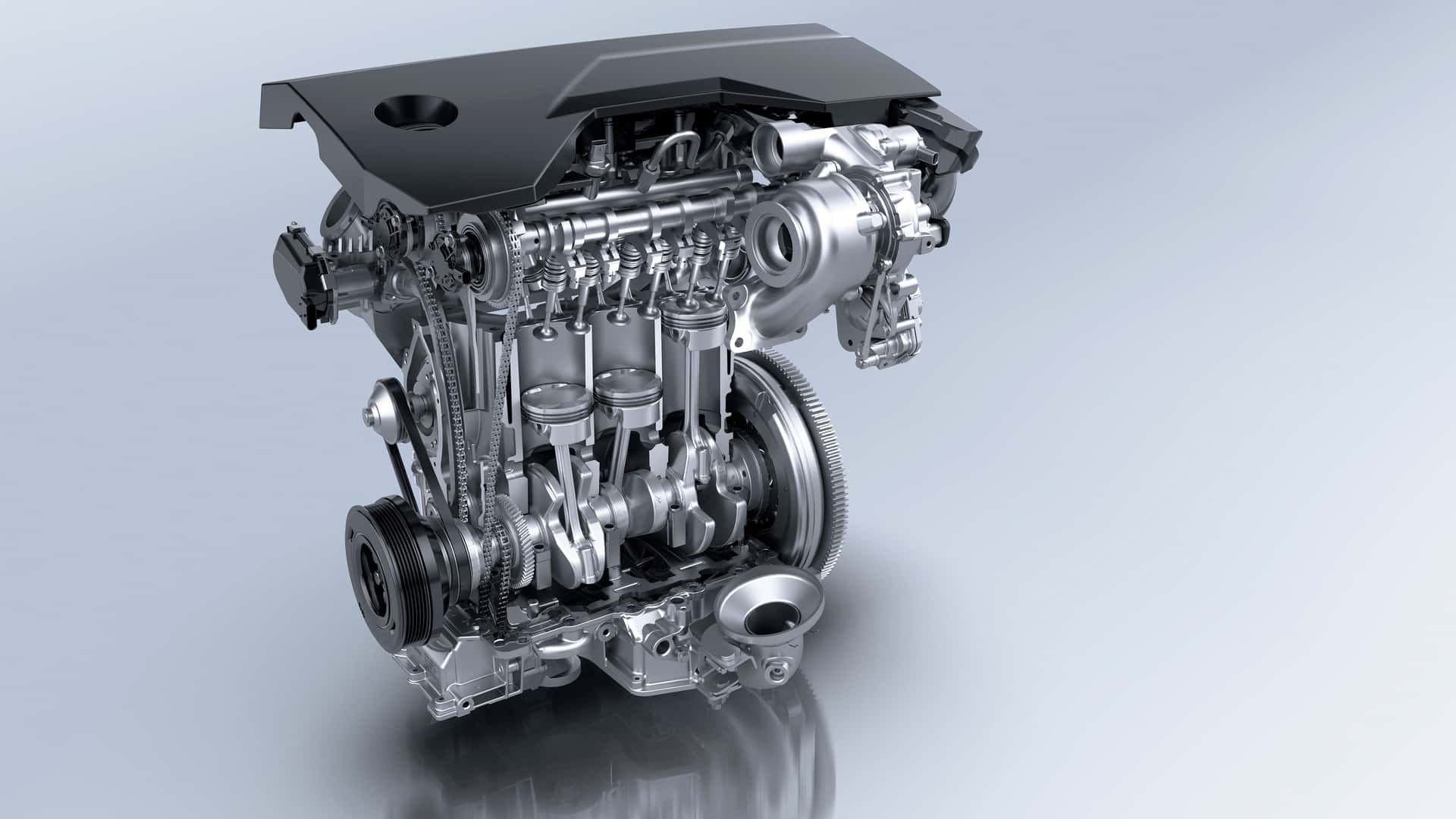
- The 1.2-liter turbo engine features a variable-geometry turbocharger.
- It addresses reliability concerns by replacing the wet belt with a timing chain.
- The three-cylinder unit makes 100 hp and 151 lb-ft (205 Nm).
The death of combustion engines has been greatly exaggerated. Bombastic headlines about EVs taking over in X years have come and gone. It’s true that electric cars continue to gain traction in many parts of the world, but in 2026, ICE vehicles still dominate. Even in the European Union, where EV adoption is rising strongly, they accounted for only 17.4 percent of total new car sales in 2025, according to the European Automobile Manufacturers’ Association.
Even Stellantis is facing this reality, scaling back previously lofty ambitions to turn its many brands fully electric sooner rather than later. With that in mind, Peugeot is rolling out a new combustion engine designed to address past shortcomings. The problematic PureTech designation is gone, a serious source of concern for owners, replaced by the more straightforward Turbo 100.
Although it remains a 1.2-liter, three-cylinder engine, it addresses reliability concerns by switching to a timing chain instead of the dreaded wet belt, which ran immersed in oil. Peugeot says the engine is about 70 percent new, with updates to major components such as the cylinder block, turbocharger, and injection system.
Photo by: Peugeot
The Turbo 100 operates on the Miller cycle to improve thermal efficiency, using a higher compression ratio. Engineers have also developed a new valve timing system to reduce internal friction, along with a variable-geometry turbocharger to enhance low-end response.
The three-cylinder unit produces 100 horsepower at 5,500 rpm and 151 pound-feet (205 Newton-meters) of torque from 1,750 rpm. While it won’t set pulses racing, Peugeot aims to reassure buyers that reliability issues have been resolved. Prototype engines logged 30,000 hours on test benches, while test vehicles accumulated more than three million kilometers (1.86 million miles). Some covered over 200,000 km (124,000 miles).
The 208 supermini is the first Peugeot model in Europe to receive the new engine this month, with the 2008 crossover set to follow in May.
Motor1’s Take: New engines are increasingly rare in an industry shifting toward electrification. However, ICE remains necessary given the uneven rollout of EV charging infrastructure. Pricing is another hurdle, as most gasoline cars are still significantly cheaper than comparable electric models.
The EU’s 2035 ban on the sale of new combustion-engine cars has already been softened. While automakers must still cut fleet emissions by 90 percent compared to 2021 levels, the adjustment gives Stellantis and others more breathing room to keep some ICE-powered models on sale beyond the middle of the next decade.
Read the full article here