






There’s a moment in every Masters. You know when you see it. It’s replayed in the closing montage and in highlights for years to come. It’s the turning point. The moment a player gets “one arm in the jacket.” It’s the moment fans will remember as the most important in their round. Perhaps, in their career.
However, there’s often another moment, too. One sometimes overlooked by the casual fan. It’s not necessarily the moment that closes out a tournament, but one that in hindsight played a key role in victory. I Think of famous Masters winners and often our minds go to the 72nd hole, the horse-shoe galleries of Masters patrons primed to stand and cheer as the player puts the finishing touches on their victorious week. That might be the winning moment, but it’s rarely the most important.
Advertisement
Just ask Rory McIlroy.
Sitting in his winning press conference at Augusta National last year, finally a Masters champion and the newly minted sixth member of the career Grand Slam club wearing the coveted Green Jacket for the first time, my colleague, Chris Powers, asked him what he thought was the best shot he hit that Sunday?
/content/dam/images/golfdigest/fullset/kennedy/RoryPresser.png
“I think the most important one for me was the second shot on 3,.” he said. Notice he didn’t mirror the question by replying with the “best” shot he hit, his mind went to the “most important.”
“You know, I started 6-5. Hit a good tee shot on 3. That’s not an easy second shot, bumping it up that hill. To judge that well and make a three there, when Bryson then made five, and then to go ahead and birdie the next hole, as well, I thought that was … you know, it was very early in the round, but it was a huge moment.”
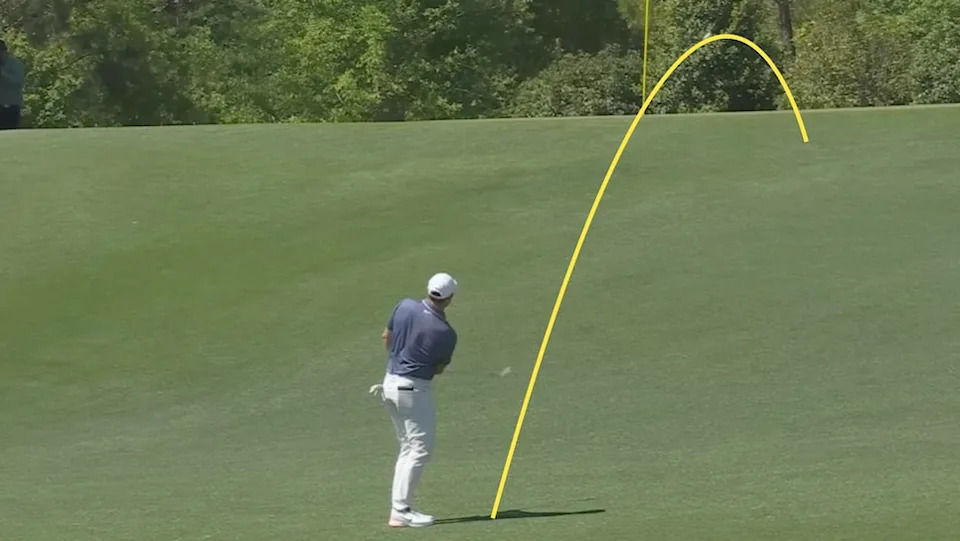
/content/dam/images/golfdigest/fullset/kennedy/RoryOn3.png
It was precisely that. Huge. It may only measure 350 yards on the scorecard but the third hole can play extremely tricky, especially on Sunday at the Masters. With the pin tucked on the left corner of the green, the third hole played to an average of 4.17 on Sunday, one of the six hardest holes in the final round.
Advertisement
By making a 3, McIlroy not only gained 1.17 shots on the field, he gained 2.0 shots on his playing partner and closest competition in Bryson DeChambeau. It was a “huge” gain at a crucial moment of the tournament, McIlroy having gone from two ahead of DeChambeau on the first tee to one back on the third.
More From Golf Digest
Golf Digest Logo 50 defining moments in Masters history, ranked
Instruction The strategy trap hiding in Augusta National’s most overlooked hole

Rules of Golf The most memorable rules issues in Masters history
I can hear you say it now: But that’s just one hole in one Masters. Yes, but it is actually indicative of a recent trend at Augusta National.
Advertisement
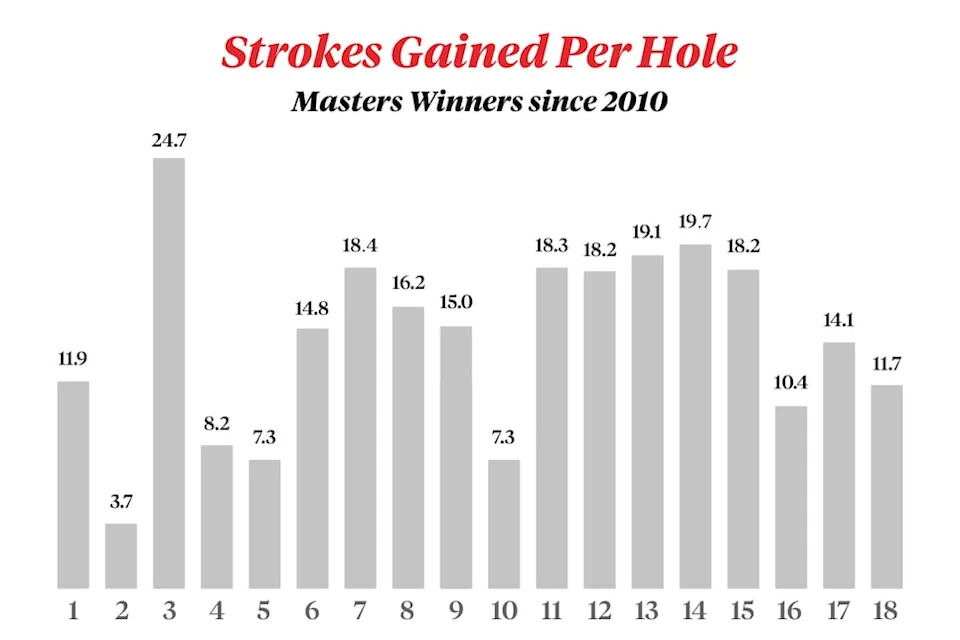
Look here, if you track every hole across every Masters since 2010 and calculate the holes that the winners gained the most strokes on, it is the third hole that is not only the most important, but by a distance.
/content/dam/images/golfdigest/fullset/kennedy/SGPerHole.jpg
In the last 17 editions of the tournament, dating back to Phil Mickelson’s win in 2010, the winners have gained nearly 25 shots on the field on the third hole. No other hole has a value greater than 20.
You might have thought the fifth hole would play a pivotal role. The notoriously difficult par 4 has played as the hardest hole in seven of the last eight Masters, having been lengthened by 40 yards in 2019. However, its difficulty is felt by all. Winners have gained just seven shots there.
Advertisement
Or perhaps you’d expect the 11th hole to hold an advantage for winners. The challenging start to Amen Corner has ended many a charge on Sundays through the years. However, once again, it is a hole all players typically play to par, aiming away from the hole location and water in order to avoid the hazard, penalty shots and a big number. It ranks as the fifth most important hole for winners since 2010.
So why the third hole?
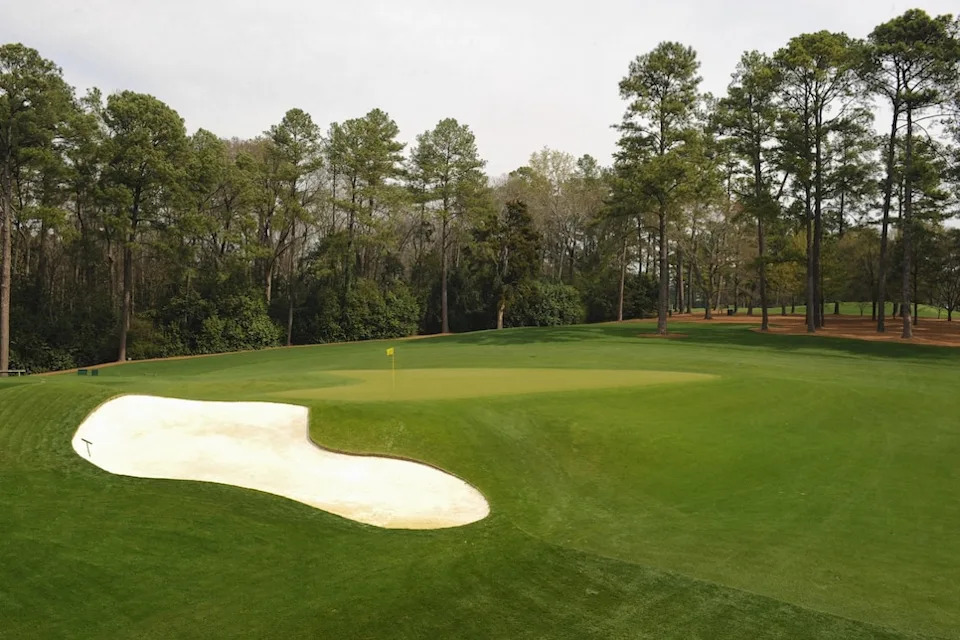
One thought is that it comes to precision. Augusta National, more than most courses on the PGA Tour, demands precision. The slippery, rolling green complexes ask players to hit their numbers, control their spin and know their misses. No hole defines that more than the third, especially on Sunday.
/content/dam/images/golfdigest/fullset/kennedy/Green (1).jpg
While the hole typically plays over par in the final round—due largely to the pin position on the far left side of the green—players with the greatest precision reign supreme. Eight of the last nine Masters champions made a 3 on the third hole in the final round. While the majority of players struggle with the tucked Sunday hole location, the winners—those with the most precision in their games at Augusta—have the advantage.
Read the full article here