




- As of August 21, 2026, Lotus Technology owns 100% of Lotus UK, including Hethel and Lotus Engineering.
- The deal unites engineering and EV strategy, aligning Hethel chassis expertise with Lotus’s electric SUVs and sedans.
- Lotus Engineering’s consultancy now prioritizes internal projects, likely speeding chassis know-how into EVs.
Lotus Technology has closed the books on a deal that turns two companies into one. As of August 21, 2026, Lotus Tech owns 100 percent of Lotus UK, the outfit behind the sports cars built at Hethel, Norfolk, and the consultancy known as Lotus Engineering.
Chief executive Qingfeng Feng put it plainly: “Lotus is one brand and one strategy, and from today it is one business.” That single sentence ends decades of the British sports car maker and its Chinese-backed parent operating as separate entities with separate priorities.
Lotus Hethel headquarters
Photo by: Lotus
Lotus Tech Acquisition Of Lotus UK Explained
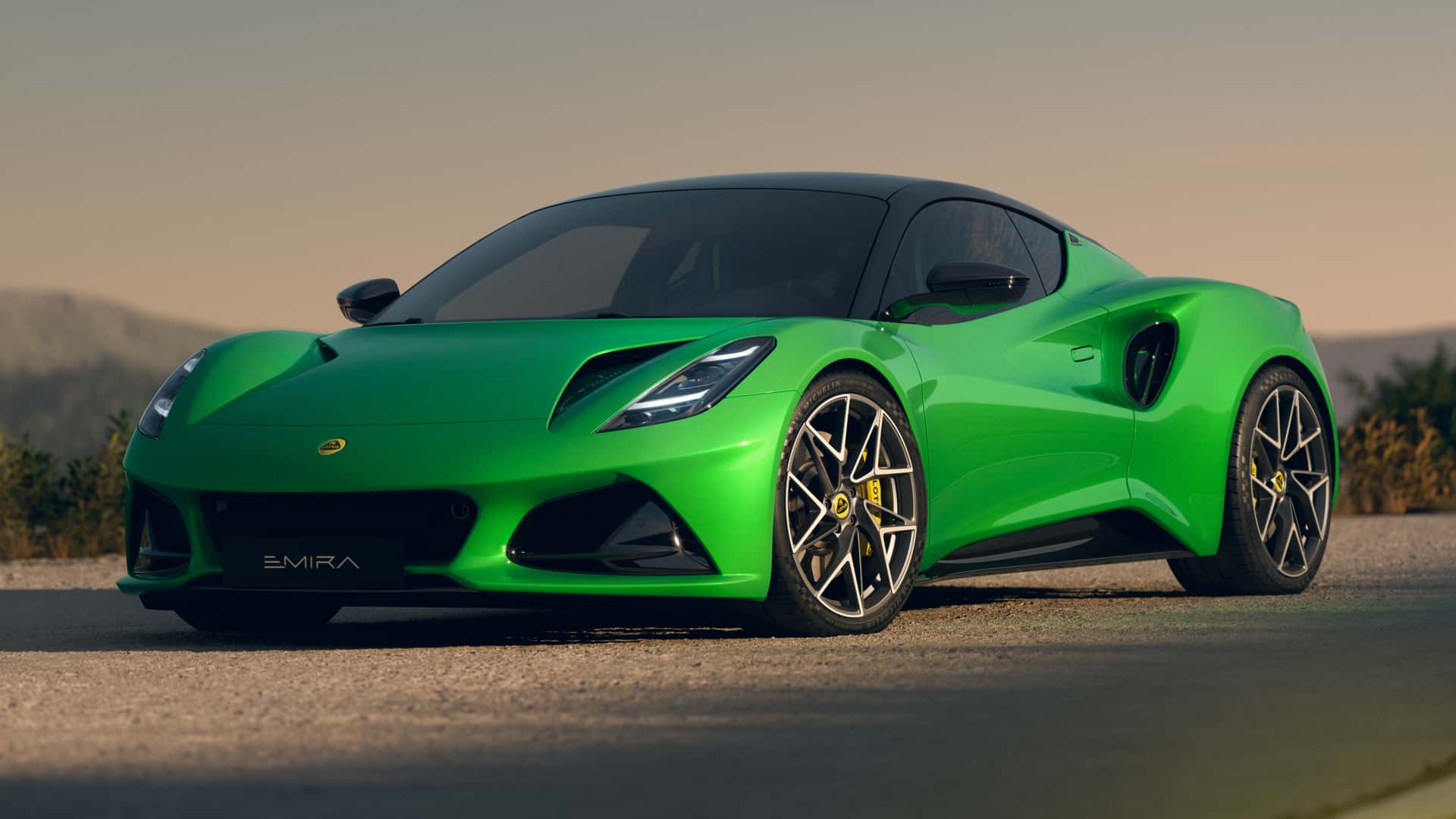
The transaction folds Lotus Advance Technologies Sdn Bhd, the formal name for Lotus UK, into Lotus Tech’s corporate structure. Hethel’s factory floor, where the Emira and Evija get built, now reports to the same leadership that runs Lotus Tech’s electric SUV and sedan programs.
This aligns with the Focus 2030 strategy to combine British engineering with electrified platforms. The acquisition strips out the corporate gap that had kept Hethel’s chassis work and Lotus Tech’s electric programs on parallel tracks instead of under one plan.
The move also comes soon after Lotus cut jobs at its Hethel plant, underlining that integration often arrives with cost pressure even as the company talks about engineering synergy.


What This Means For Future Performance EVs
Lotus Engineering has spent years consulting for outside automakers and Tier 1 suppliers on lightweight structures, aerodynamics and chassis dynamics, the same skills that made Lotus road cars feel distinct. With that consultancy brought fully inside Lotus Tech, those skills now point inward first.
In practice, Hethel’s chassis expertise should reach electric models faster instead of staying tied up in gas-powered sports cars. Lotus has already signaled that shift by sourcing V6 and V8 engines from Renault and Geely instead of developing them at Hethel, which frees engineering capacity for electrified work.
The brand has also been candid that it once bet everything on EVs being the future before moving to a mixed lineup. This reunification gives that updated plan one command structure instead of two, though it is unclear how quickly US buyers will feel the effect while one of Lotus’s electric SUVs still is not sold in America. For now, the next real test is whether the Emira’s push for more power and less weight and the promised V8 supercar hit showrooms any sooner under a single owner.
Motor1’s Take: The reunification should make Lotus’s engineering influence more direct, which matters if you want the brand’s chassis know-how to show up faster in its electrified models. It also centralizes commercial pressure, so Hethel teams will be judged on speed of delivery as much as on technical flair.
Read the full article here


