




Introduction
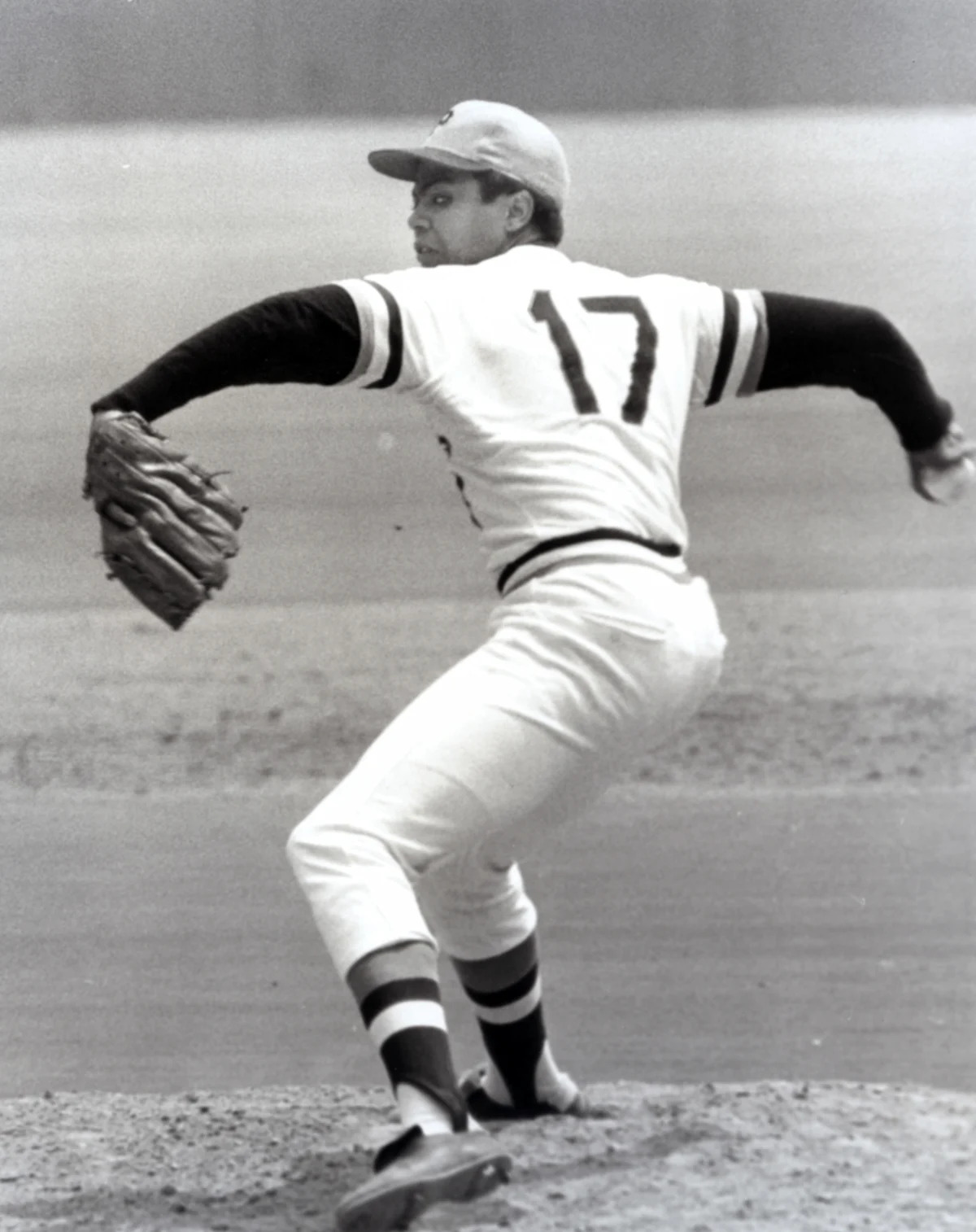
Fifty Six years ago on this day Dock Ellis, a 25 year old right handed starting pitcher for the Pittsburgh Pirates, tossed a no hitter against the San Diego Padres. This wouldn’t normally warrant a full article, especially a no hitter where said pitcher walked eight batters and hit one, but you’ve already read the title, so I’ll just let Dock tell the story in his own words first, since he was a far better story teller than I ever will be.
The Doubters
Apparently there are people out there who don’t think this story happened, among them Pirates beat reporter Les Biederman who was AT the game. Biederman pokes holes in Dock’s story, noting that Ellis arrived on time, and didn’t look like he was under the influence. None of his teammates in that game have corroborated the story either, most notably Willie Stargill, the offensive hero of the game. To put it politely, Dock Ellis was quite the storyteller and some have suggested it is just that, a story. I however am not swayed by most of the arguments that have been made suggesting that this outright didn’t happen.
Advertisement
Context is Important and Addicts Are Unreliable Narrators
First off, I think it’s important to point out the context of when this happened, and when this story became public, which was long after the fact. Dock Ellis was a 25 year old in active addiction when this happened. He told this story decades later after sobering up, and later admitted that his biggest regret in life was not being able to remember his greatest personal achievement in pro sports. Having had my own struggled well over a decade ago, I know the struggles of addiction and the pain in Ellis’ voice when discussing it is very real and relatable, and it’s enough for me to believe that some version of his story happened. As far as Ellis not being late for the game, I am sure in his mind Ellis though he was super late, you have to remember that this is someone under the effects of multiple drugs. LSD messes with your perception of time, it can make you very paranoid, but most importantly it makes you a very, very unreliable narrator.
“But Wesley! That still sounds like lying to me!”
The only lying going so far are the lies by omission, that only someone who is familiar enough with the substances mentioned could catch.
Advertisement
Ellis, D wasn’t on just LSD
This is a bit of a side point, but as someone with ADHD, I would be shocked if Dock Ellis wasn’t self medicating for ADHD, considering all the stimulants he used, and the fact that he struggled to pitch without them. getting back to the main point though, Ellis wasn’t just on LSD, he was on a bunch of stimulants as well as a barbituate. Dexamyl was a combination of the active ingredient in the ADHD medication Dexidrine, and a barbituate tranquilizer, which later was taken off the market due to abuse, and being phased out by more effective Benzodiazapines. The other stimulant medication mentioned is literally just amphetamine, which is also a component of the ADHD medication Adderall. Having friends in both the EDM and the Jam Band/wook scene, I have been told that mixing ADHD meds won’t affect the intensity of a trip or its duration, but what will affect the intensity and effect of an LSD trip is repeatedly dosing yourself for multiple days in a row, which usually just results in a higher tolerance and bum vibes on the last day of EDC. Ellis described using LSD throughout his days off. So Doc’s trip is not off to a great start just from those f.actors. Having taken his dosage at noon, he’d be feeling the affects by one, and by first pitch he would be on the back end of the peak effects, considering LSD lasts roughly 10-12 hours. Even if we account for this being 1970 LSD, which by all consensus was way way too strong, Doc wouldn’t have been tripping his balls off by the end of the game. Regardless of how strong any visual effects were, his performance would still likely have been affected due to one common physiological side affect of LSD though, excessive sweating from the palms. There’s no reason to believe that it would actually interfere enough with his in game performance to actually be all that noticeable, or for it to prevent him from playing, especially a starting pitcher.
Ellis wasn’t himself in that game
Dock Ellis threw multiple complete games in his 1970 season, and in none of those games did he struggle with his control like he did in his no hitter. This is a guy who had BB/9 of 3,9 that season and that includes his eight walks in that game. Take the walks from that game out of his stats and I’d imagine his BB/9 drops down to close to 3 walks per nine innings. So here’s a starting pitcher with otherwise decent control, suddenly walking batters at twice his normal rate. Dock would hit batters on occasion, but usually it was on purpose. Ellis was also usually a fairly good hitter; that season he had 10 hits, including a double, a walk, and a stolen base. Keyword usually, as Ellis was hitless, striking out twice. Having worse control as a pitcher, a bad day at the plate, yet somehow still throwing a no hitter is actually exactly how I’d expect LSD to affect an athlete.
Advertisement
Final points
As far as the lack of corroboration from teammates goes, specifically Willie Stargill, I understand completely why he would remain silent. Willie Stargill was involved in the cocaine scandals of the 1980s, I doubt he would want to comment on it for that reason alone. The beat reporter not noticing ‘Ellis being on something’ means very little when this was an addict in active addiction, and when said beat reporter likely had very little familiarity with the substance in question. Unless you know what you’re looking for, you’re not going to notice. (for a great example, look at the creators of South Park when they went to the Oscars on LSD. None of the media noticed or said anything, but in hindsight it is also VERY obvious) Sadly, we don’t have the full game footage, only the final inning, so we can’t examine the game itself for further evidence.
Conclusion
Dock Ellis was a great pitcher, and he deserves to be remembered for more than just his famous feat. He was one of the first athlete activists. He was a great motivational speaker after he got sober, and he used his stories both to help people in recovery, and to hopefully help others avoid making the same mistakes he made. I highly recommend finding ‘No No: A Dockumentary’ which is a fantastic full length documentary exploring more than just Ellis’ no hitter, but his entire life. I think most importantly, it goes over the things Dock was famous for prior to this story taking a life of its own, like in the scene I’ve included below.
So just to conclude things, maybe in reality, this didn’t happen exactly as Dock Ellis described it, but in my heart, I’ll always believe it did.
Read the full article here


