








- The California Energy Commission (CEC) approved the nation’s first Replacement Tire Efficiency Program.
- The goal is to improve fuel efficiency and air quality by requiring replacement tires to be as fuel-efficient as new original-equipment tires.
- Phase one of the program begins in 2029 and runs through 2033, then a more aggressive rolling resistance threshold takes over.
California lawmakers have approved the nation’s first rules on energy-efficiency standards for replacement tires. According to the California Energy Commission (CEC), the Replacement Tire Efficiency Program should save billions of dollars in potential fuel costs.
How? By mandating just how efficient a replacement tire needs to be for it to be legally sold in California.
The CEC believes that current replacement tires are nowhere near as efficient as the original tires you find on new cars today. There’s an efficiency gap between the two. This exists because automakers need to push fuel efficiency on most of their models. But once you’ve worn through those original tires, your replacement tires aren’t held to the same standards.
The goal of this ruling aims to change that. Phase one of the plan, which kicks off in 2029 and runs to 2033, looks to eliminate the worst-offending efficiency options on the market. From 2033 onward, all replacement tires will need to hit a required rolling resistance threshold.
There Are Some Exceptions
Obviously, if you’re an automotive enthusiast living in California, you’re probably punching the air right now. And I get it. I live here too, and I enjoy motorsport, performance cars, off-road vehicles, and more.
But stop your punching for a moment and take a breath. The CEC worked with various stakeholders (e.g., people in the tire industry) to identify the pain points this ruling will cause. This has led to some loopholes for specific types of tires.
The following tires are excluded from the minimum performance standards in the regulations:
- Competition tires designed for motorsports
- Winter-type snow tires
- All-season winter performance tires
- Used and retreaded tires
- Deep tread tires
- Tires designed for ATVs and other off-road vehicles
- Large off-road tires for use up to 99 mph
- Motorcycle tires
- Temporary-use spare tires
- Small tires with ≤13-inch nominal rim diameter
- Limited production tires (<15,000 per year)
- Tires sold for use on an emergency vehicle
- High load index tires (122 or greater)
- Tires not capable of sustaining speeds over 50 mph
- Space saver tires
That’s not a perfect list, and the CEC is working with the aforementioned stakeholders to define what fits into those various categories. But it also shows that all isn’t completely lost.
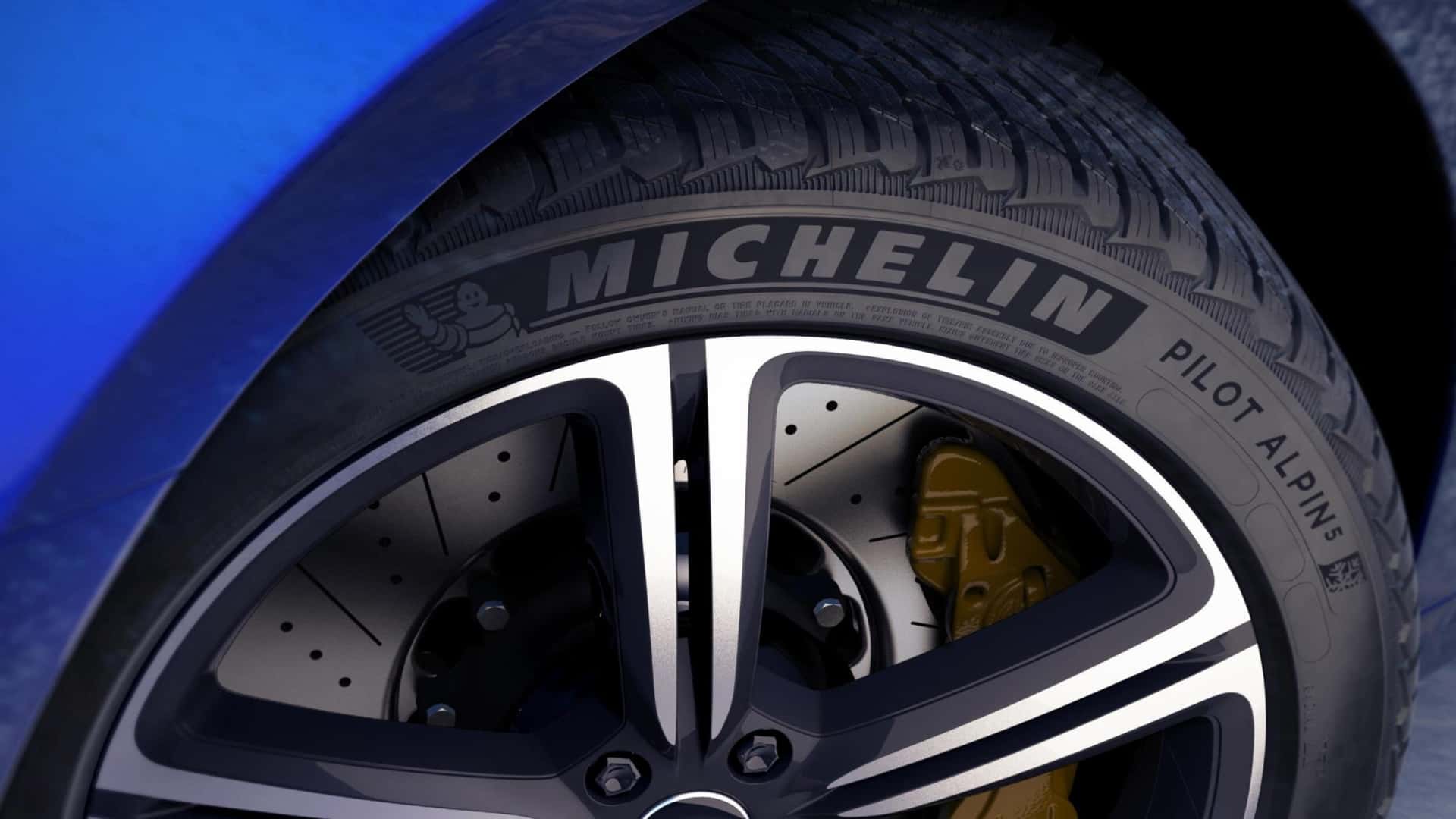
Michelin Performance Tires
Photo by: Porsche
The Rules Could Still Make Tires More Expensive
Still, the tire manufacturers themselves say this will create an added cost that will be passed on to tire shoppers. But tire manufacturers have a few years to meet the future minimum standards, and plenty of tires already on sale meet the phase one standards.
The increased tire efficiency under these standards will, per the CEC, save nearly $1 billion per year in fuel and electricity costs. That fuel savings, in turn, will be the emissions equivalent of removing around 400,000 gas-powered cars per year.
On the flip side, critics arguing against these measures say the more efficient tires will wear out faster, resulting in more tires ending up in landfills. The tires will be more expensive, which is a hard sell to consumers even if they’re spending less on fuel.
Motor1’s Take: Tire manufacturers will likely adapt to the revised standards with little issue, despite their concerns, but couldn’t we continue making vehicles more efficient as we have been all along? There’s also a much simpler way for drivers to improve fuel efficiency: check your tire pressure. You’d be surprised how many motorists don’t do it regularly, or simply don’t care. Even slightly underinflated tires can waste fuel, so maybe automakers should make those tire-pressure warning chimes just a little more annoying. We might save plenty of money at the pump without reinventing the wheel.
Read the full article here


