





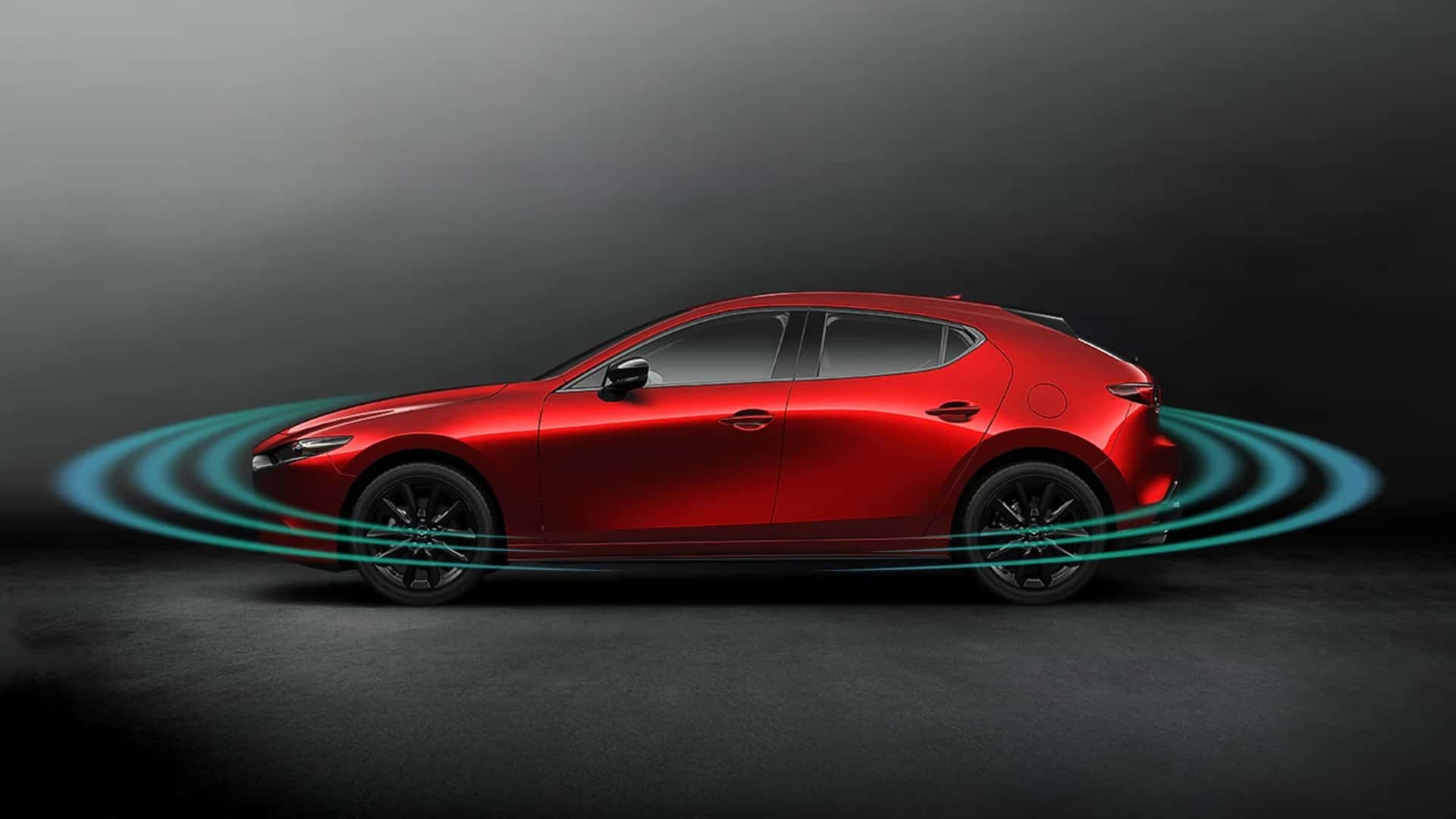
Today’s cars are packed with more software and more technology than most people know what to do with. It has made cars safer than ever, with systems like front crash prevention reducing front-to-rear collisions by 50 percent—but it hasn’t all been helpful.
Data shows that lane-departure warning and blind-spot monitoring are beneficial for vehicle and pedestrian safety. But things get more complicated when software handles more of the driving and cabins feature bigger touchscreens with fewer buttons.
Photo by: Anthony Alaniz / Motor1
“There is a gray area when we move onto higher levels of driver assistance, things like adaptive cruise control and lane centering technology,” says Jessica Jermakian, the Insurance Institute for Highway Safety’s senior vice president of vehicle research. Motor1 visited the Institute’s Vehicle Research Center in Virginia last month.
When the Institute looks at the data, “We don’t see a benefit from that type of technology,” Jermakian said. “Yet, that is also the type of technology that we see people are more likely to be distracted by, more likely to engage in secondary tasks.”
The solution to keeping drivers engaged involves more technology, such as driver monitoring systems, which help ensure they keep their eyes on the road rather than tapping through menus on a touchscreen infotainment system. Many cars today can alert the driver to pay attention, using cameras and algorithms to detect distracted or drowsy driving.
These systems could one day go further and detect impaired drivers.

The Next Steps For Automotive Safety
The Insurance Institute for Highway Safety will continue to crash-test cars to ensure they are as safe as automakers claim, but it will also push them to raise their standards. IIHS wants to reduce crashes caused by distracted and impaired driving.
“Anything that pulls the driver’s attention away from the driving task and away from the forward roadway, anything that, you know, has the potential to distract a driver, is certainly concerning,” said Jermakian.
It’s no secret that automakers, the government, and insurance companies are working to reduce crashes and deaths caused by impaired drivers. There is a law mandating that all new cars sold in the United States be equipped with impaired driver detection by 2027, but the technology is far from ready.
‘Anything that pulls the driver’s attention away from the driving task and away from the forward roadway… is certainly concerning.’
As of February, the National Highway Traffic Safety Administration revealed in a report to Congress that there were no known in-vehicle technologies that could passively measure blood or breath alcohol content, while other sensor-based systems were “not ready to be integrated into vehicles sold to the general public.”
Despite that, IIHS plans to raise the standards of its Top Safety Pick+ award to include features that detect signs of impairment as part of the Institute’s vision to reduce US road deaths by 2030. It aims to reduce risky, illegal behavior that often leads to crashes.
“I think driver behavior and supporting safe driving decisions is a really important place where technology can help,” said Jermakian, like intelligent speed assistance (ISA). “Even that level of information can help support people in making safe speeding decisions.”
IIHS Top Safety Pick Awards
Two-thirds of the 2025 model-year vehicles IIHS has tested have some form of ISA that informs the driver of the speed limit. These are often located in the gauge cluster near the vehicle’s speed indicator.
Even as automakers push more features into vehicles, it will take years for these features to truly make a difference. The average age of a vehicle on the road is nearly 13 years.
“Even if we get that new technology into vehicles today, we’re still a long way from having the majority of vehicles have that type of technology. So that’s a long game, but there are things we can do in a much shorter time frame, like better enforcement,” said Jermakian.
Read the full article here