





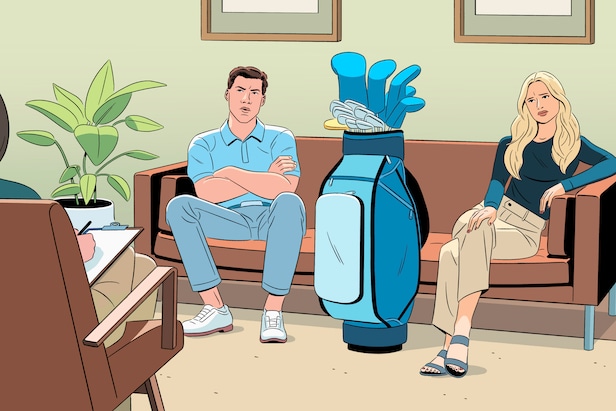
Early in my career, a person I respected told me to find a woman who didn’t know who I was. On the surface, it made sense. Marry someone who isn’t chasing the lifestyle, isn’t measuring you by your World Ranking, loves you for reasons that have nothing to do with your sponsors.
The reasoning is airtight. What such a relationship does to your game is another matter.
I’m not talking about bad marriages. For most guys out here, the right partner is the only reason any of this is sustainable. She’s running the house, the kids, the calendar, the bills while you’re three time zones away missing a cut by one. She’s the voice on the phone Sunday night calming you down after a closing 74. The right person at home is the most underrated edge in professional golf, and it’s not close. Plenty of guys would have washed out years ago without the unglamorous, unphotographed work of a spouse holding their life together. That’s what makes the harder cases so confusing. Sometimes the genuinely supportive spouse or girlfriend, the person doing everything correctly by any normal standard, can wire backward into bad golf.
A lot of the best players out here have been with the same person since before they were famous. The high school sweetheart, the college girlfriend—she’s been there through the grind. She was there in the mini-tour years when you were sharing a rental car with your caddie and eating at McDonald’s. She watched you miss cuts and come home deflated and go right back out the following week. She knows what a Monday qualifier looks like. She understands why you’re on the range at 7 in the evening when the tournament ended at 4. She’s not asking why you’re binging course footage instead of Netflix. She’s been shown a thousand demonstrations of what this life actually requires, and somewhere along the way made peace with it. That’s no small thing. That’s years of negotiation that never have to be spoken aloud because the terms were established before anyone had anything to negotiate over. That dynamic works.
The woman who meets you when you’re already out here, who falls for the version of you that’s successful and sponsored and on television, she’s meeting a finished product. She didn’t sign up for the obsession because she never saw the ugly underbelly that often powers it. She saw the result, which can look from the outside like a man who plays golf for a living and has a lot of free time. Explaining the difference is harder than it sounds, and some guys never quite manage it.
‘Players who’ve been through a divorce are usually not making the same personal mistakes twice.’
Sometimes relationship dynamics shift. Some guys hit their mid-30s, their kids are getting older, and they want a change. They don’t want to wake up and find the children are off to college, that they missed ballgames and birthdays, that their kids barely recognize them. That’s a man getting his priorities straight. It’s often the same deal with a second marriage. Players who’ve been through a divorce are usually not making the same personal mistakes twice. The issues that ended the first marriage—usually just travel and time, not anything scandalous—are front of mind. That player has done the reflection. He’s had the hard conversations, probably with a therapist, definitely with himself at midnight in a hotel room on the back nine of a bad season. He knows where things went wrong, so he adjusts. He softens. He eases the schedule, comes home earlier, takes fewer optional practice rounds, skips a pre-tournament trip he would have previously considered non-negotiable. He texts back faster. He’s present in the ways he wasn’t before. By most human measures, he is better. But the game has no interest in what’s reasonable or mature. It only knows what you give it.
That’s the uncomfortable truth at the center of all this. Professional golf doesn’t reward balance. The guys at the top of the world rankings are not balanced people. They are obsessive, single-minded, occasionally impossible to be around and completely fine with all of that. When a player starts genuinely dividing his attention—not just his time, but his mental energy, his hunger—his golf notices before he does. His best is still very good. It just doesn’t happen as often, and out here, the real trick is getting the most out of yourself when your best isn’t available, so that’s exactly where you see the drop off.
The genuine disasters—the controlling spouses who create scenes, who make demands of agents and sponsors, who insert themselves into decisions that have nothing to do with them—are rarer than tour gossip might suggest. Most of the horror stories are exaggerated, or they’re about friction on the business side rather than anything that touches the actual golf. Even then, it’s not always a straight line to worse tournament results. I know one player whose wife was, by consensus among everyone who dealt with her, a complete nightmare. Managers, sponsors, tournament officials—everyone had a story. Yet, this guy played some of the best golf of his life when she was at her worst. (After the kids, she settled down.) The explanation I heard from a mutual friend made more sense than it should have: If she was going to cause that much trouble, he’d better make the whole thing worth it. Sometimes chaos focuses a man. It’s not a model I’d recommend, but I’ve seen stranger things produce birdies.
As for me, I parted ways with my long-term girlfriend last summer. Nothing dramatic to relay, only that she wanted more time than I could afford. Unfortunately, for me at this moment, golf doesn’t allow another lover. —With Joel Beall
More From Golf Digest
Golf Digest Logo The Undercover Pro: Staying out of the PGA Tour gossip machine

Golf Digest Logo The Bonus Years: Understanding the PGA Tour’s retirement reset
Golf Digest Logo The Undercover Pro: Cheaters at High-Stakes Sim Tourneys
Read the full article here