





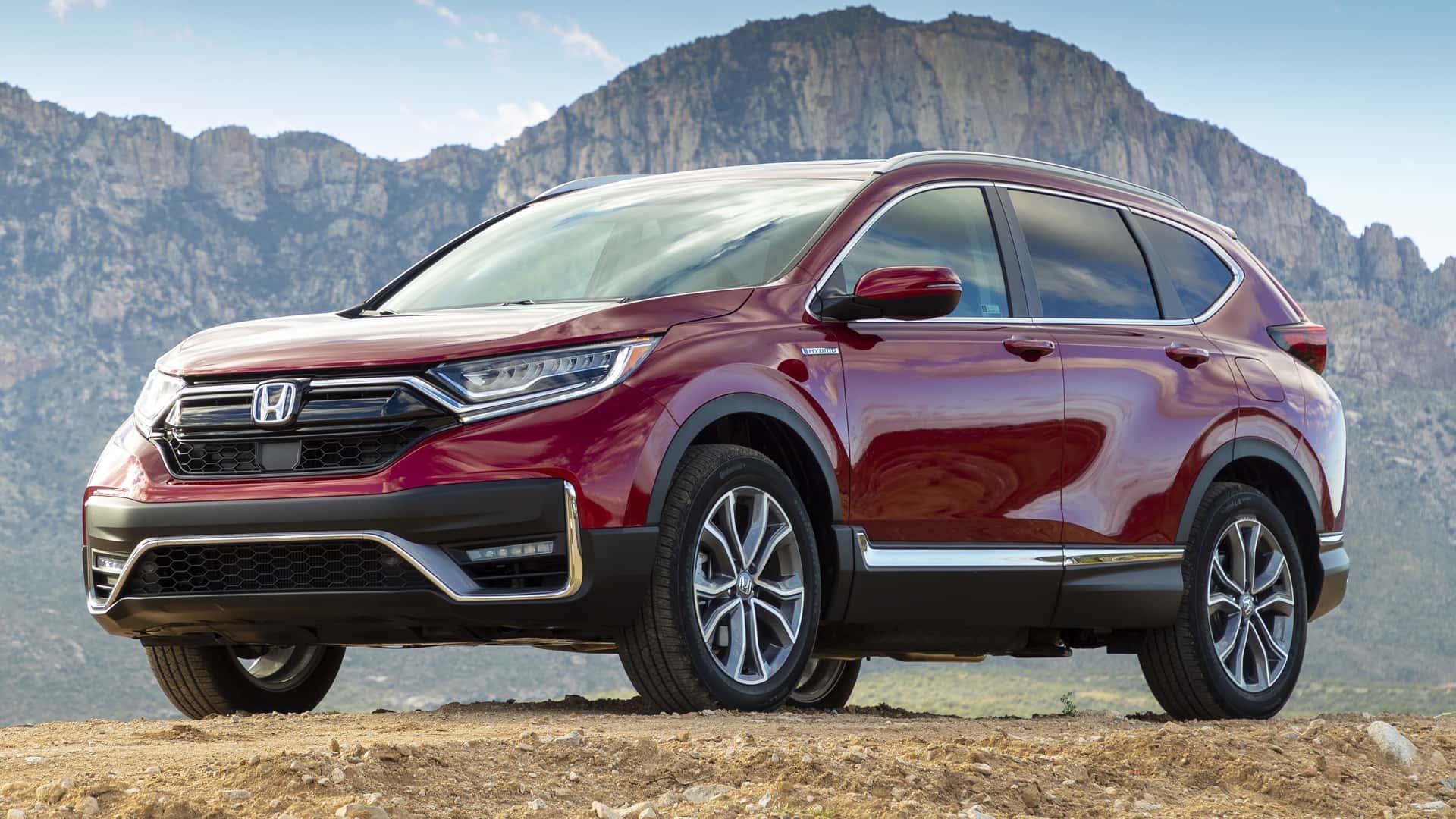
- Honda is recalling 100,000 cars because they might have a faulty airbag weight sensor.
- The front seat frontal and knee airbags could deploy in a crash when they shouldn’t.
- Honda recalled 750,000 vehicles in early 2024 for the same issue.
Honda has issued a recall for nearly 100,000 cars, some of which are a decade old. The affected vehicles may have a faulty front passenger seat weight sensor that, in the event of a crash, could deploy the airbags when they should not.
According to the recall report from the National Highway Traffic Safety Administration, a capacitor on the sensor circuit board could crack, exposing it to “environmental humidity” and possibly causing an internal short circuit. If this happens, the front passenger frontal and knee airbags may deploy in a crash “for whom deployment should be suppressed, increasing the risk of injury,” such as an infant in a car seat, a child, or a small adult.
The recall affects the following vehicles:
- 2016-2022 Honda Civic (including the Type R)
- 2016-2022 Honda Accord
- 2017-2022 Honda CR-V
- 2017-2022 Honda Pilot
- 2017-2021, 2023, 2025 Honda Ridgeline
- 2018-2020 Honda Fit
- 2018-2026 Honda Odyssey
- 2019-2021 Honda HR-V
- 2019-2022 Honda Insight
- 2019-2021 Honda Passport
- 2017-2020, 2022-2026 Acura MDX
- 2018-2021, 2023 Acura TLX
- 2019-2024 Acura RDX
Honda determined the cause of the issue was “due to a natural disaster” at a tier-2 supplier plant. The tier-1 supplier changed the base material of the seat sensor circuit board to one that was “not sufficiently verified for its intended use,” which could cause additional strain on the board and lead to a crack. Affected cars would have an illuminated SRS warning light, or the passenger airbag indicator may remain off.
This isn’t the first time Honda has issued a recall for this problem. It recalled 750,000 vehicles in early 2024 for the same thing, and it is expanding it for a couple of reasons, according to the recall report.
There was an error by the supplier in calculating the production end date for the defective part, “resulting in an incomplete initial scope.” There was also an “Inadequate verification processes in confirming vehicles affected by defective service parts.”
Since that initial recall, the automaker has learned that more units may be affected and has determined to issue a new recall. The company is aware of 228 warranty claims related to the issue, but has received no reports of injuries or deaths. Honda will fix the issue by replacing the seat weight sensor.
Motor1’s Take: Cars are complex machines, and recalls like this exemplify just how challenging it is to build them. A small change at a supplier can cause years of headaches for an automaker, but that’s why recalls exist, and it’s good Honda is fixing it.
Read the full article here