





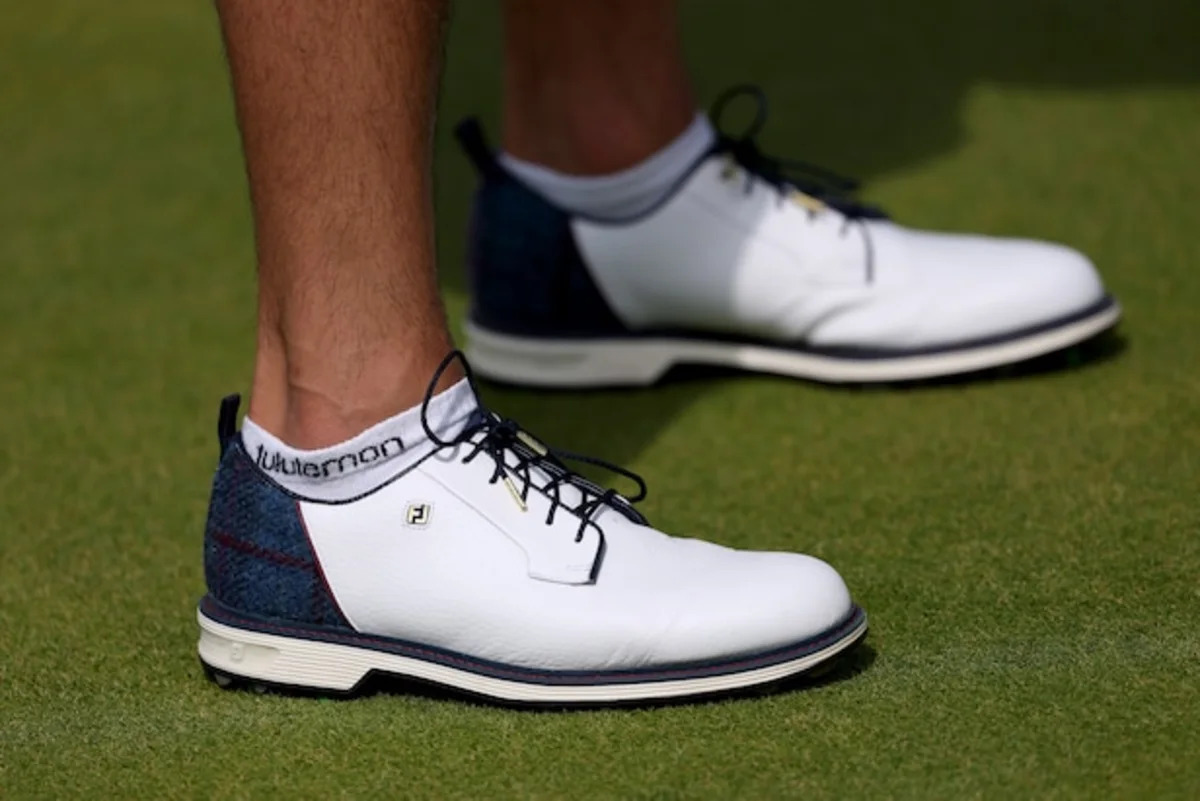
Andrew Redington
Q: Rory McIlroy’s blister at the PGA Championship got a lot of coverage. How do tour pros usually avoid getting blisters? Any advice for us everyday golfers with new shoes?
A: We feel your pain. Literally. However, there are means to reduce the chances of discomfort.
To begin with, you should treat golf shoes as actual pieces of equipment, not just fashion. Having the right footwear isn’t a panacea for your game, but it can help. Plus, wearing ill-fitting shoes can be a detriment. Consider that golfers take approximately 9,000 steps when walking 18 holes. There’s no disputing that a properly fit pair of shoes will help you perform better.
Advertisement
Advertisement
Odds are you might be in a poor fit. A number of years ago, FootJoy conducted a study of more than 4,000 golfers that revealed about 70 percent were ill-fit for their shoes. Just as clubfitting is important for getting the right clubs, shoe fitting is vital to finding the best shoes for you.
“We know from our extensive fitting process that wearing the wrong size shoe is the most common cause of blisters,” says Chris Garrett, consumer marketing director for FootJoy. “When a shoe is too big, your foot moves around, which causes rubbing and friction. Also, the ‘break’ in the shoe—where it flexes in the forefoot—won’t fall in the correct place, and that could cause irritation as well. A proper fit eliminates issues like these.”
Rotating shoes can also help as wearing the same pair round after round can lead to stretching and reduce the snugness of the fit. Tour players go through about 15 pair each year. Of course, they get their golf shoes for free. Depending on how often you play, consider rotating two or three pair, especially if you usually walk instead of taking a cart.
Treat your golf footwear as seriously as you would a new driver or set of irons, and your blister-free feet will serve you well. It’s easy to overlook, until you’re feeling the pain.
Read the full article here