





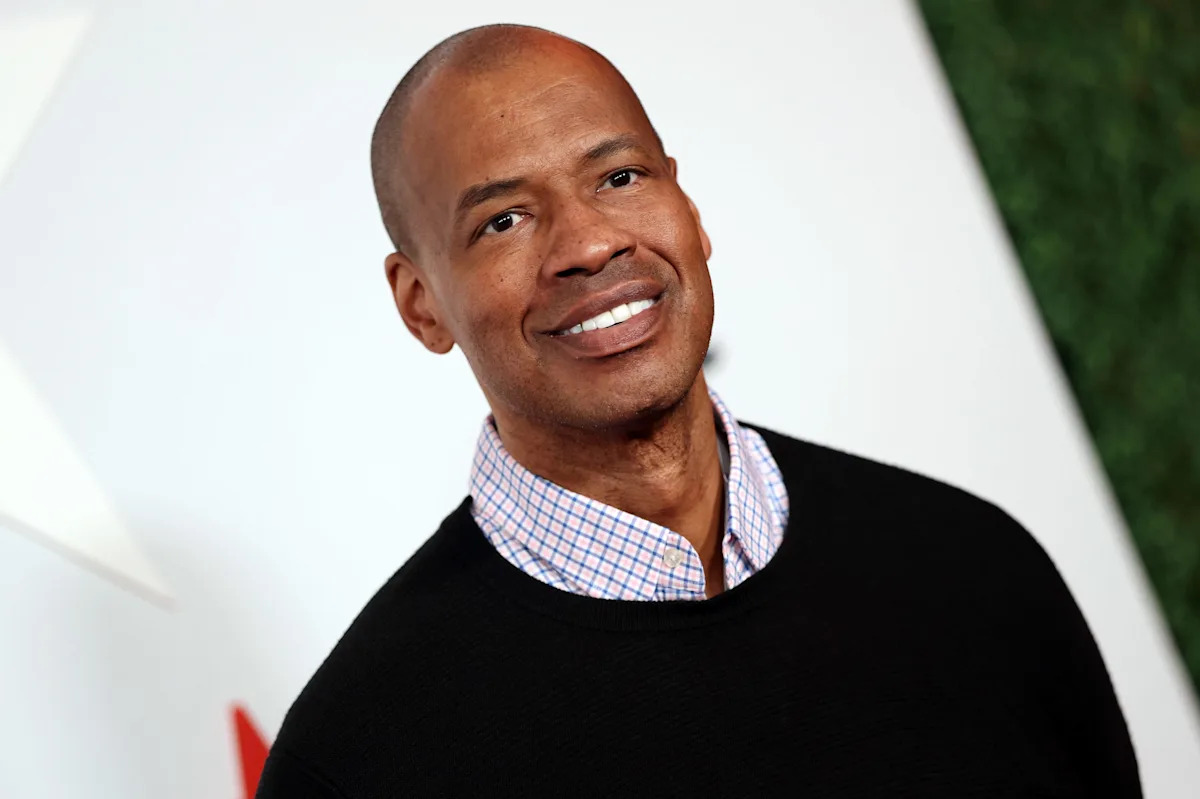
John Amaechi’s favorite memory of Jason Collins is one for which Collins wasn’t physically present.
Not long after Collins became the first openly gay athlete to play in any of the major North American men’s sports leagues in 2013, Amaechi was giving a speech in a city he can’t quite recall – Chicago, maybe – when he met a young man in the audience. He vividly remembers what happened next.
Advertisement
The man told Amaechi, who came out as gay in 2007 after retiring from professional basketball, that he deeply related to Collins’ story.
“Not just relating. It was like he was feeding his soul,” Amaechi recalled. “To watch as somebody is lifted, literally like made more tall and substantial, from listening to what somebody else said, is remarkable. And he was. You could see, even as he recounted the things that he heard, he rose. That tells you something about a person.”
Collins, a 13-year NBA veteran, died May 12 after an eight-month battle with brain cancer. He was 47.
His death was mourned by other out queer male athletes, who remember Collins as a kind spirit and a pioneer for LGBTQ inclusion in sports.
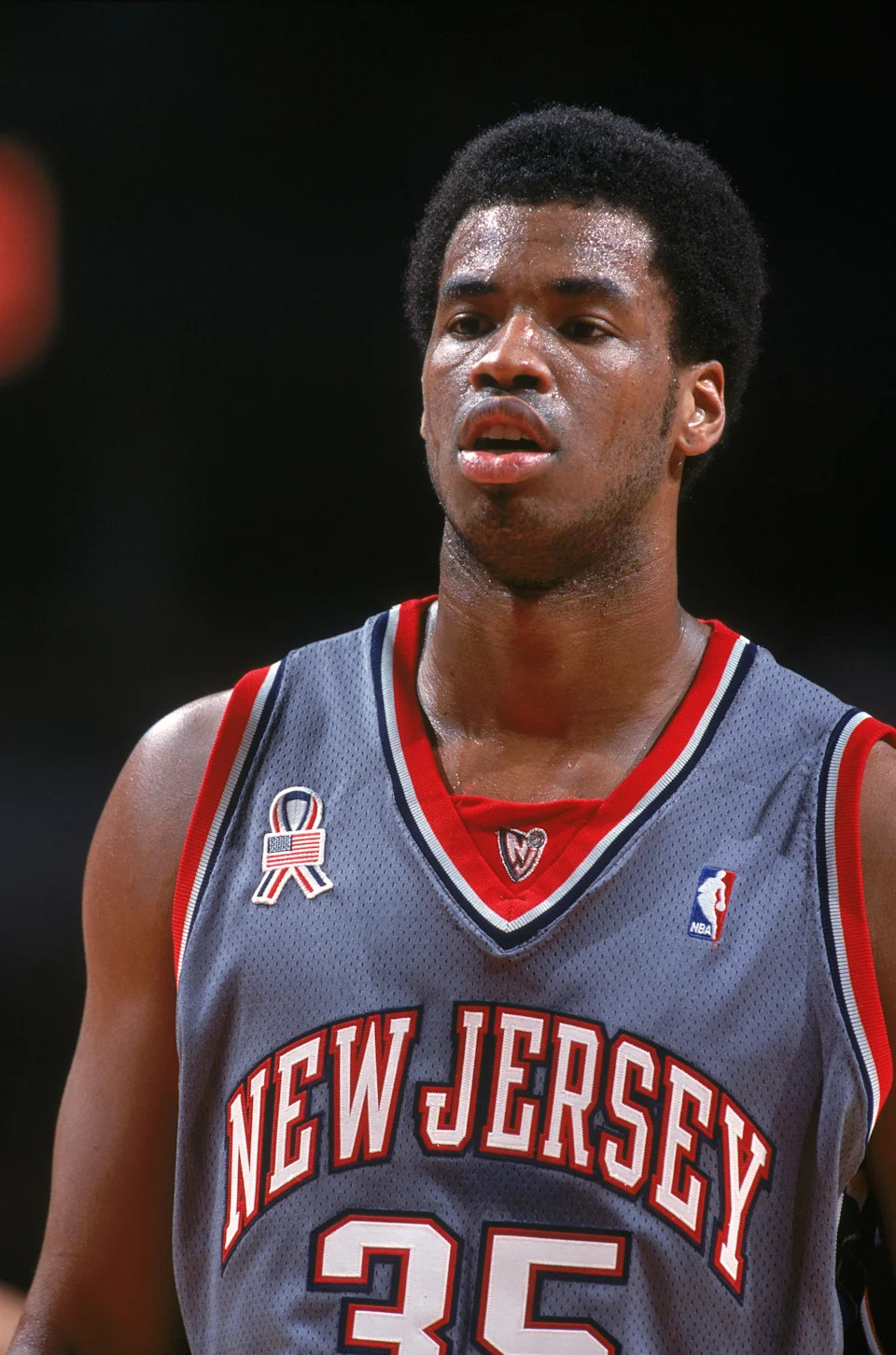
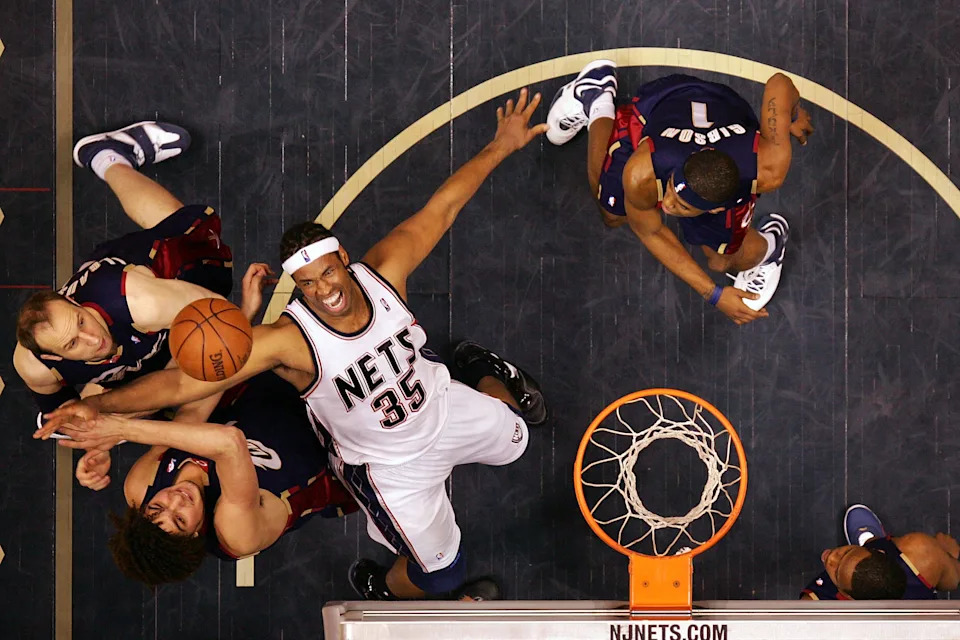
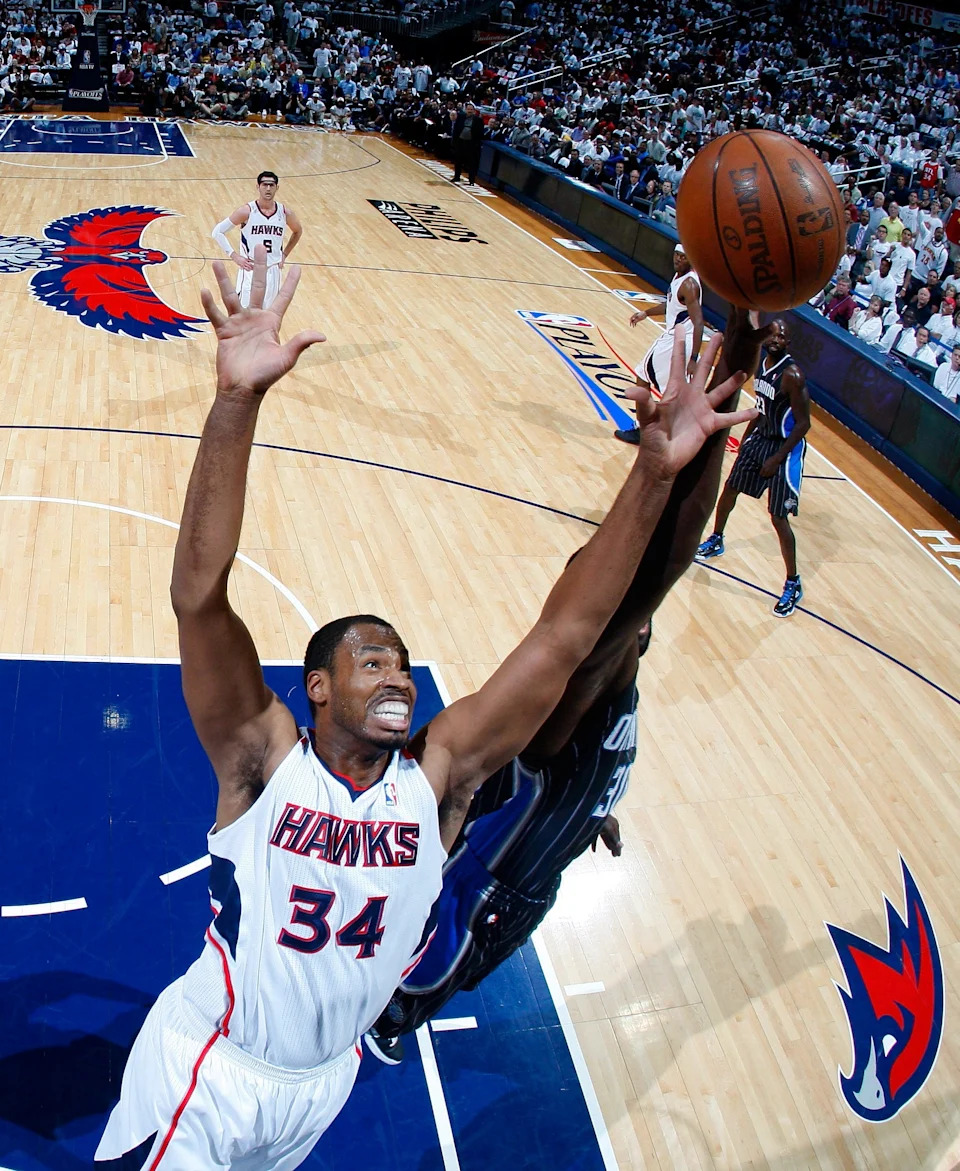
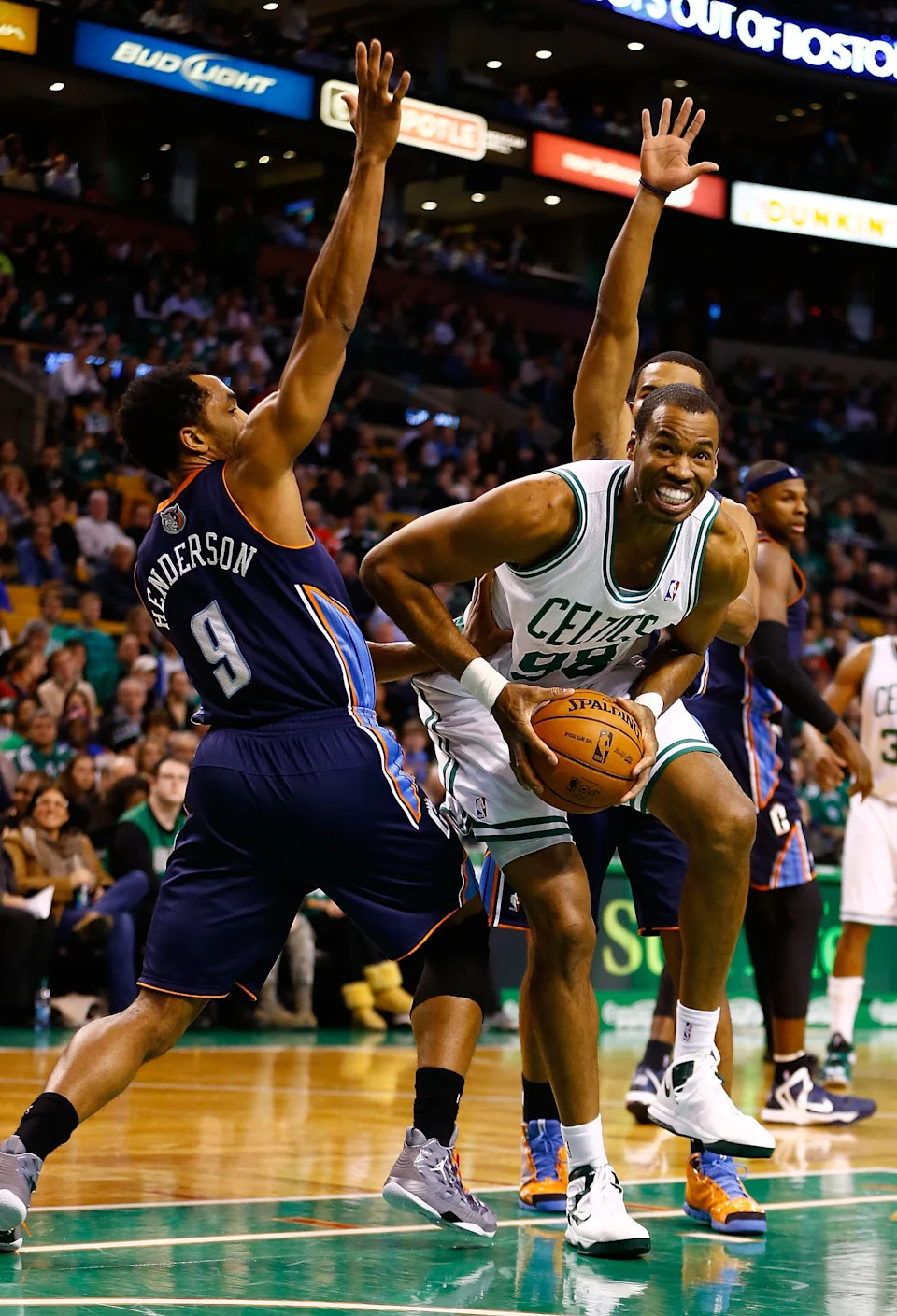
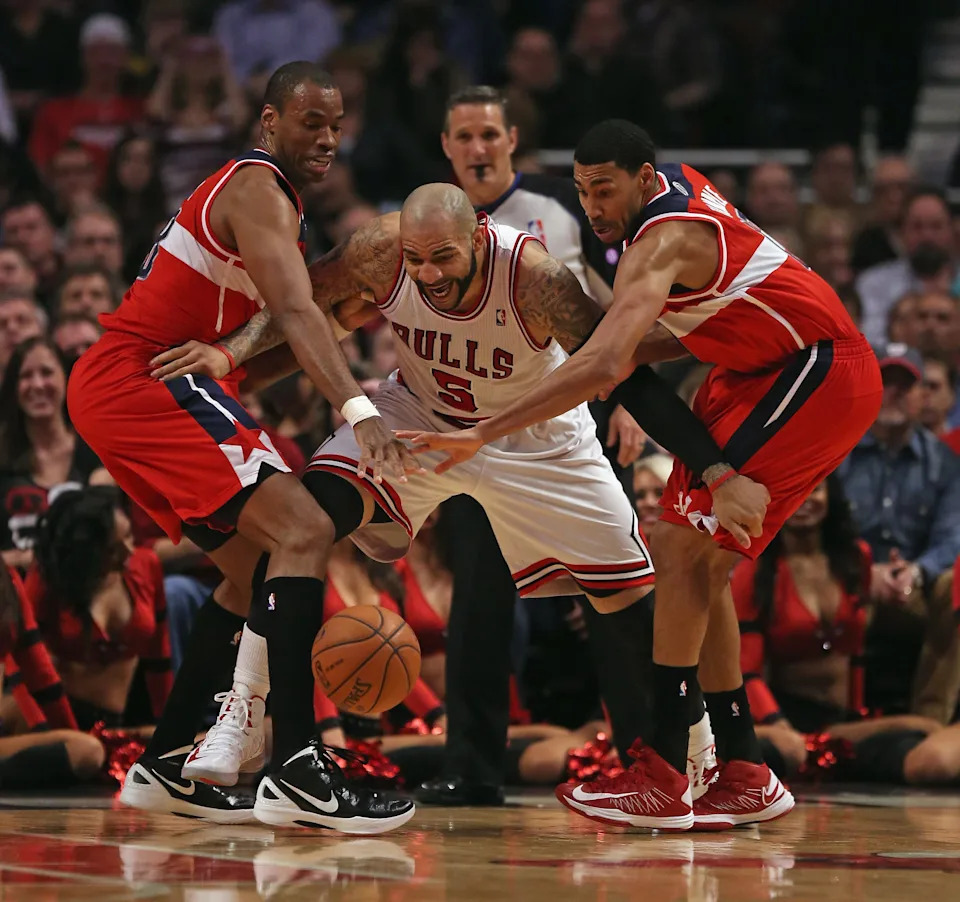
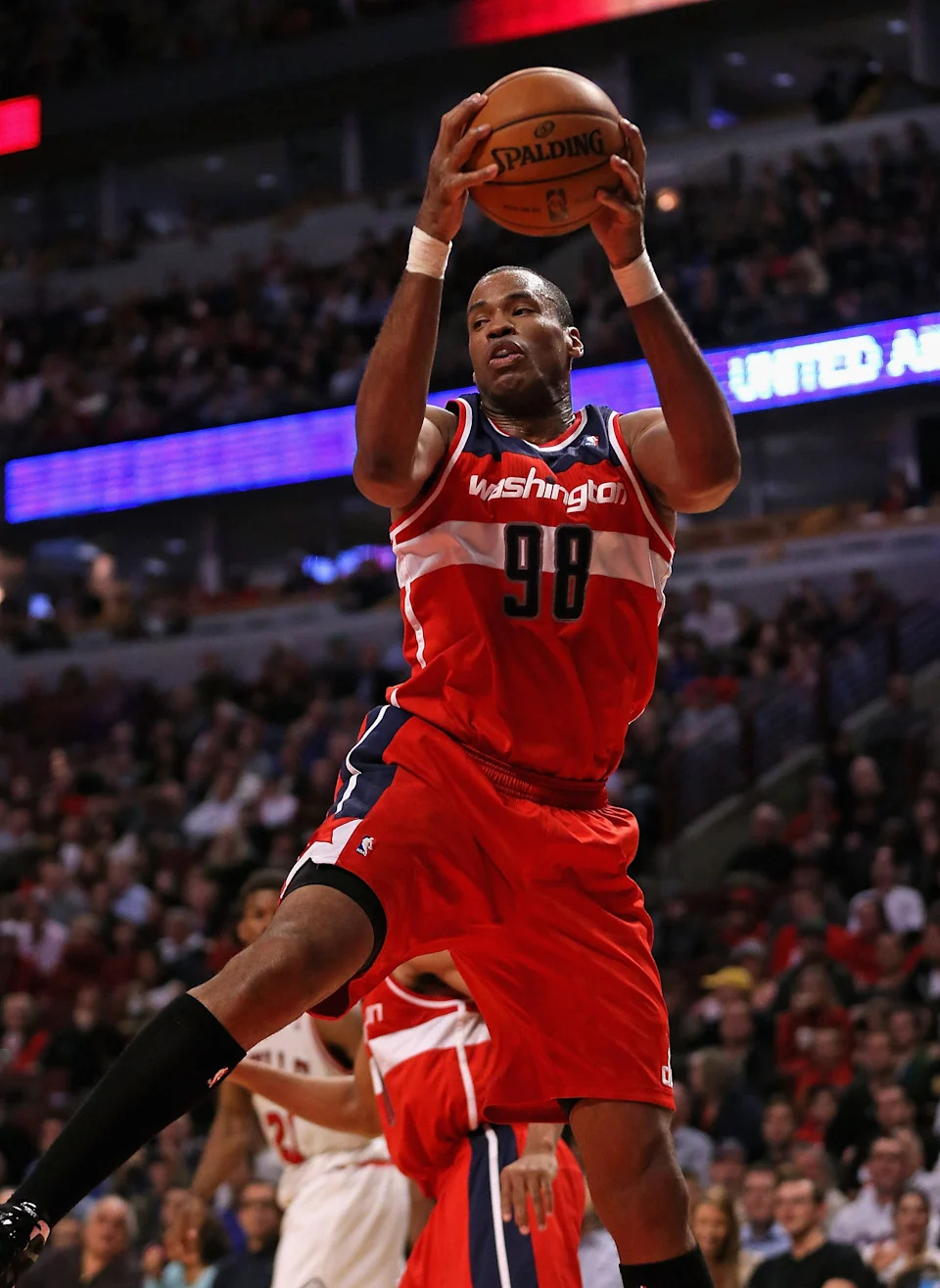
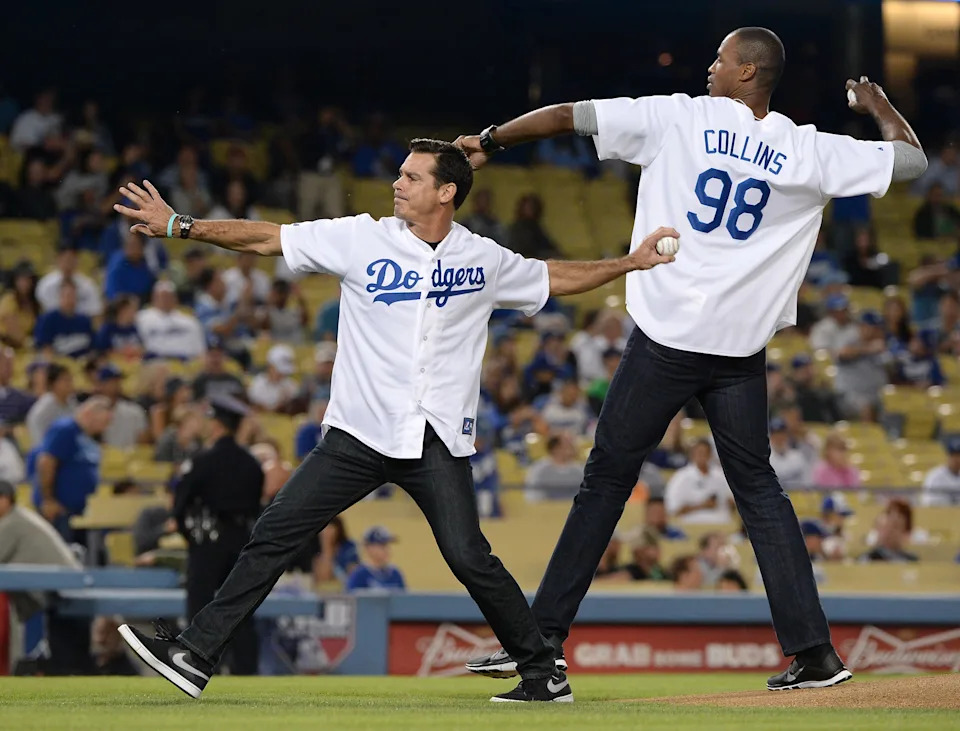
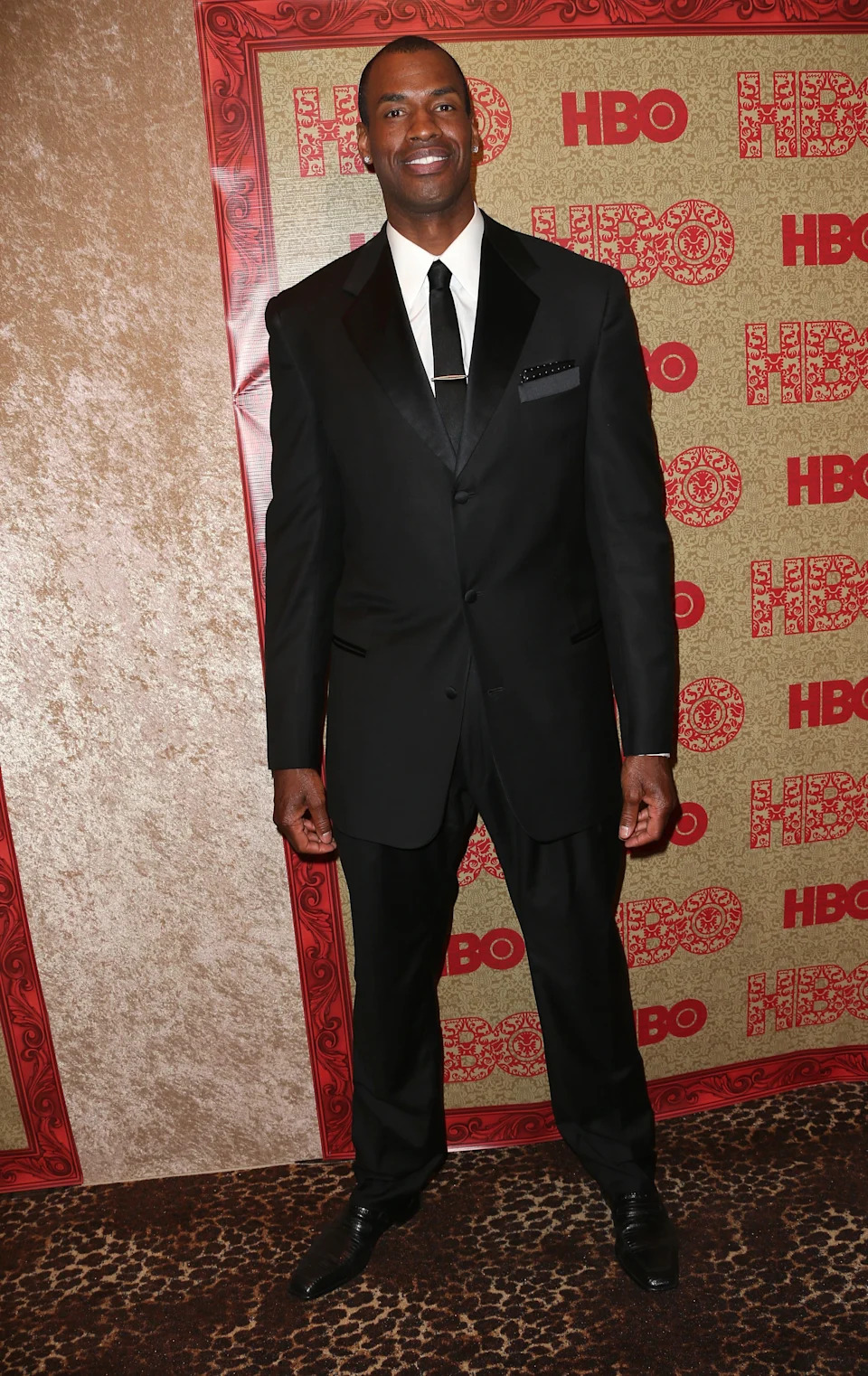
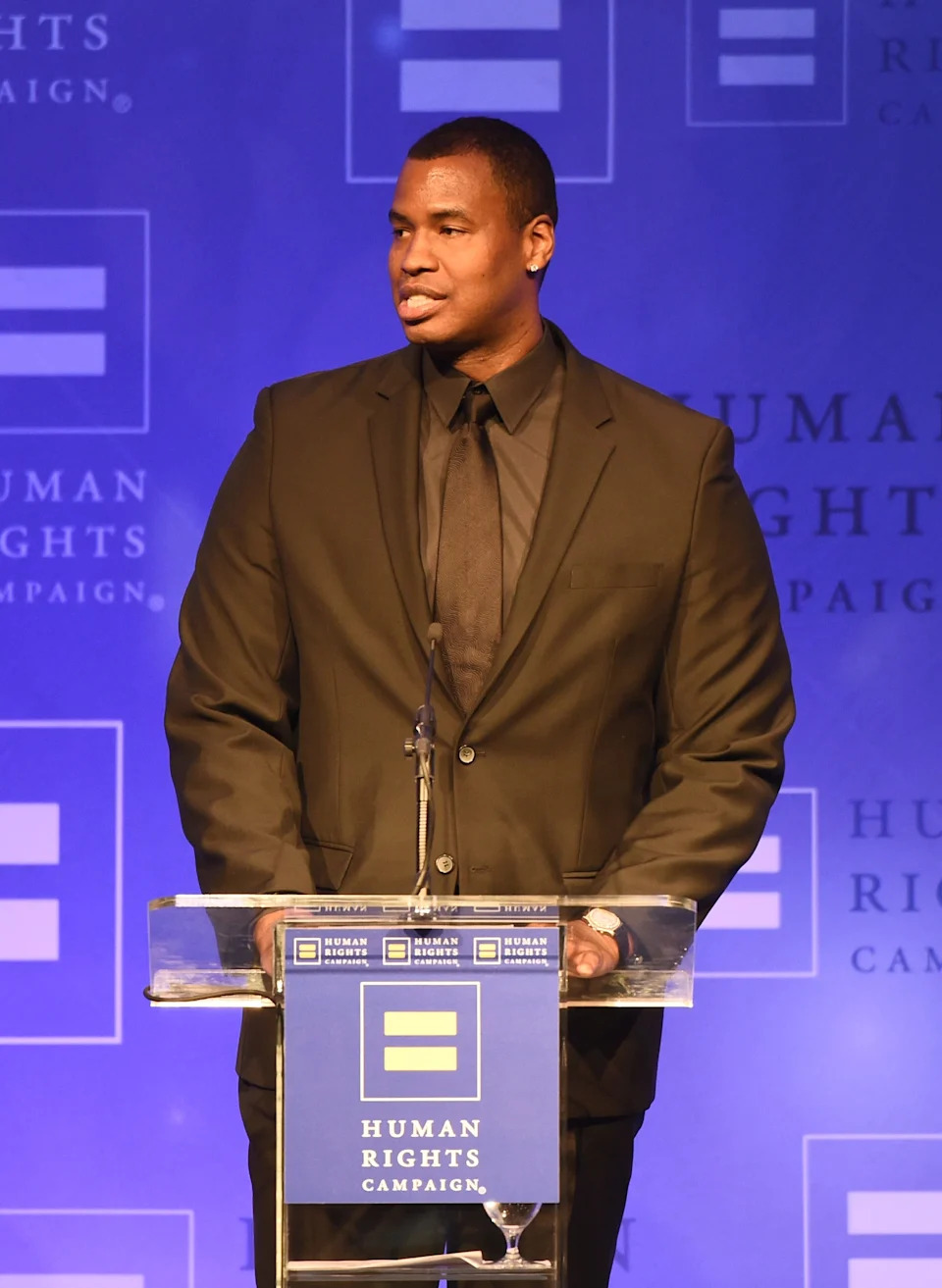
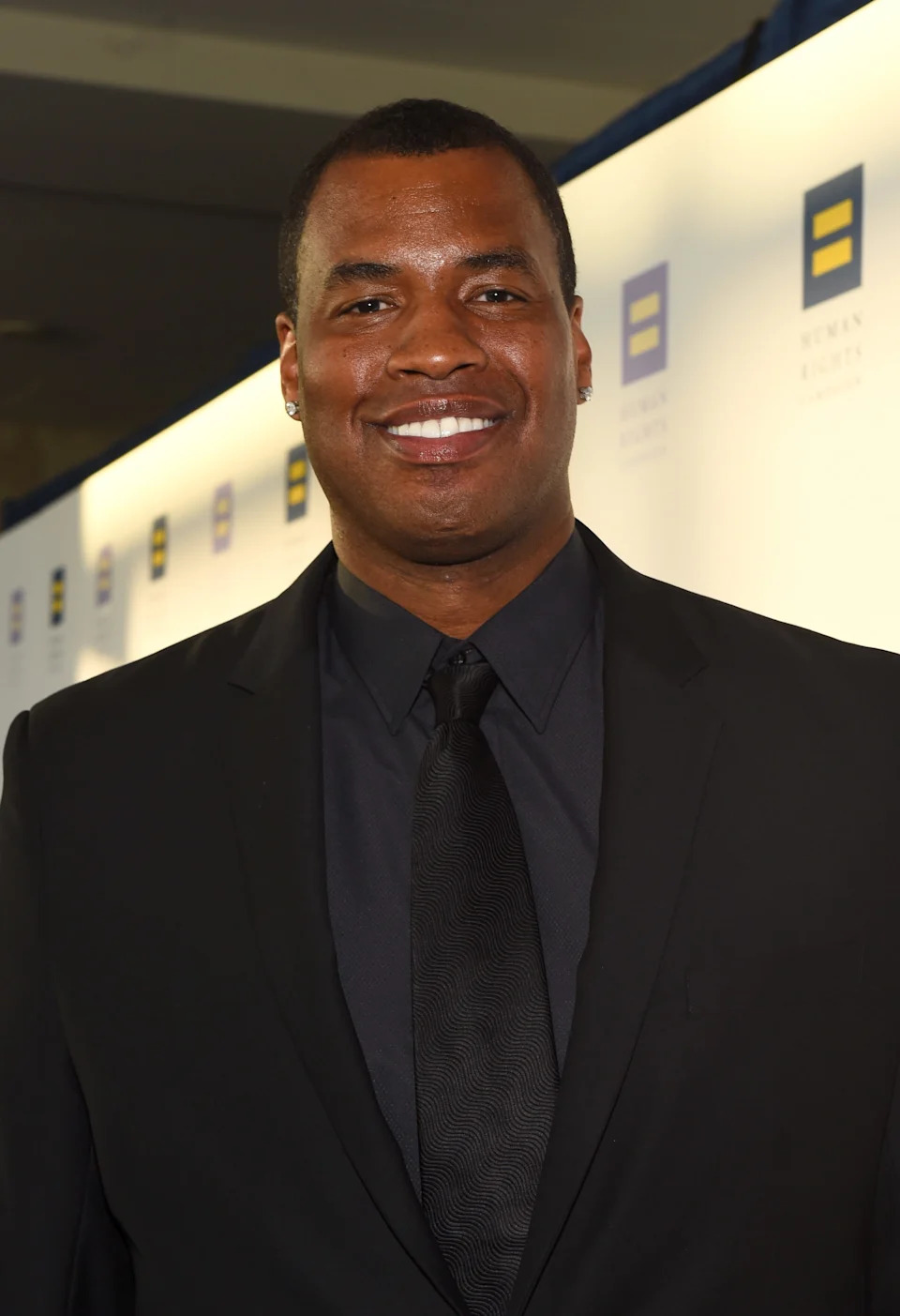
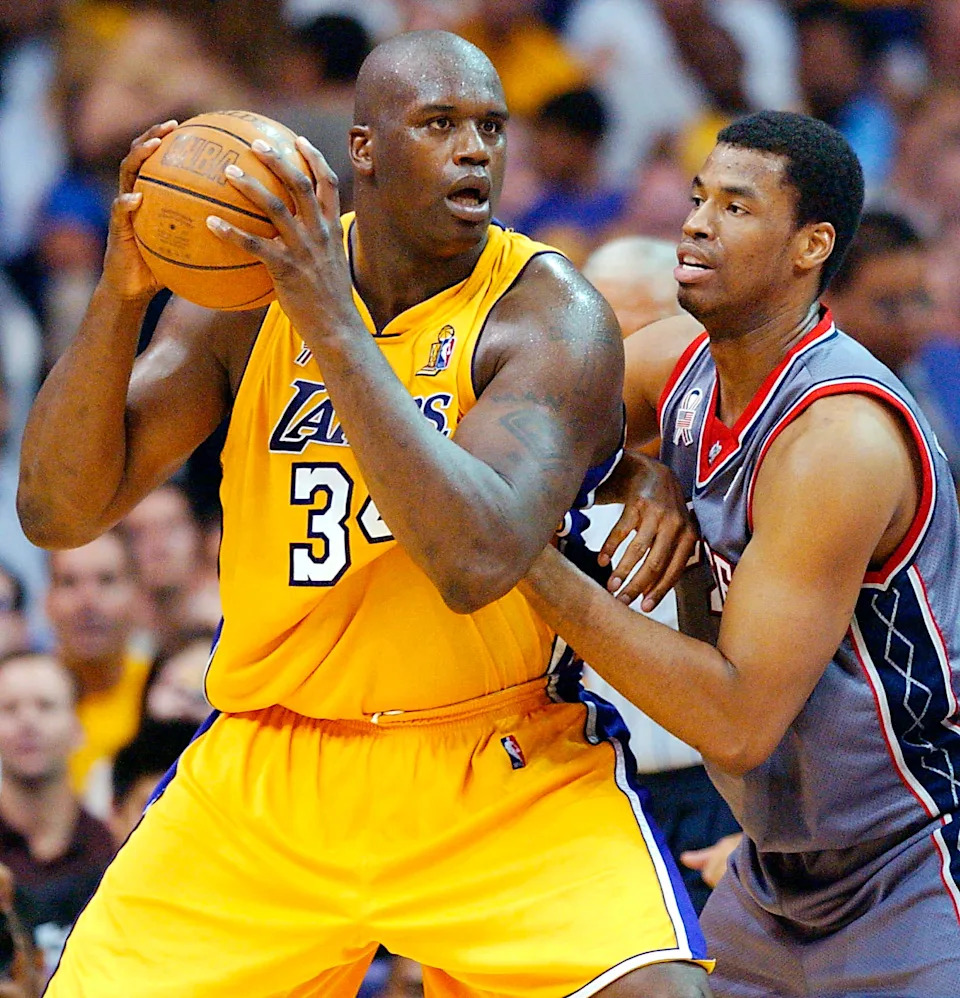
“Every player that comes out here afterwards, whether it’s professionally or just in their own lives, stand on the shoulders of Jason Collins, as I do myself,” said former NFL player R.K. Russell, who came out publicly as bisexual in 2019.
Advertisement
“Jason was a trailblazer,” said soccer player Collin Martin, who came out as gay while playing for MLS club Minnesota United in 2018. “Without him, I don’t know if the rest of us that came out after him, if it would have been as easy.”
Jason Collins ‘changed the minds of players’ in coming out
Collins’ courageous decision to come out in a Sports Illustrated essay in April 2013 paved the way for more queer athletes in men’s sports to do the same: Martin, Russell, NFL players Carl Nassib and Ryan O’Callaghan, hockey player Luke Prokop, NCAA basketball player Derrick Gordon, and minor league baseball players Solomon Bates and Anderson Comas.
When Collins was considering coming out, Amaechi was one of the people he reached out to for advice and support. Amaechi was an NBA teammate of Jason’s twin brother, Jarron Collins, and had come out in his post-retirement memoir. They kept in touch over the years, and Amaechi received email updates on Collins’ health as he sought treatment for stage 4 glioblastoma.
Advertisement
Amaechi remembers Collins as eloquent and smart, someone who understood how his personal revelation could foster inclusion in sports and beyond.
“His presence, his tone, his dignity, his warmth, his humor, changed the minds of players, too – and not just the players who played with him,” Amaechi said. “Other players who might otherwise not have advanced their thinking, evolved their understanding. So he did an amazing gift for the league as well as for all those players out there who were looking for a better role model. And they couldn’t have picked a better one, right?”
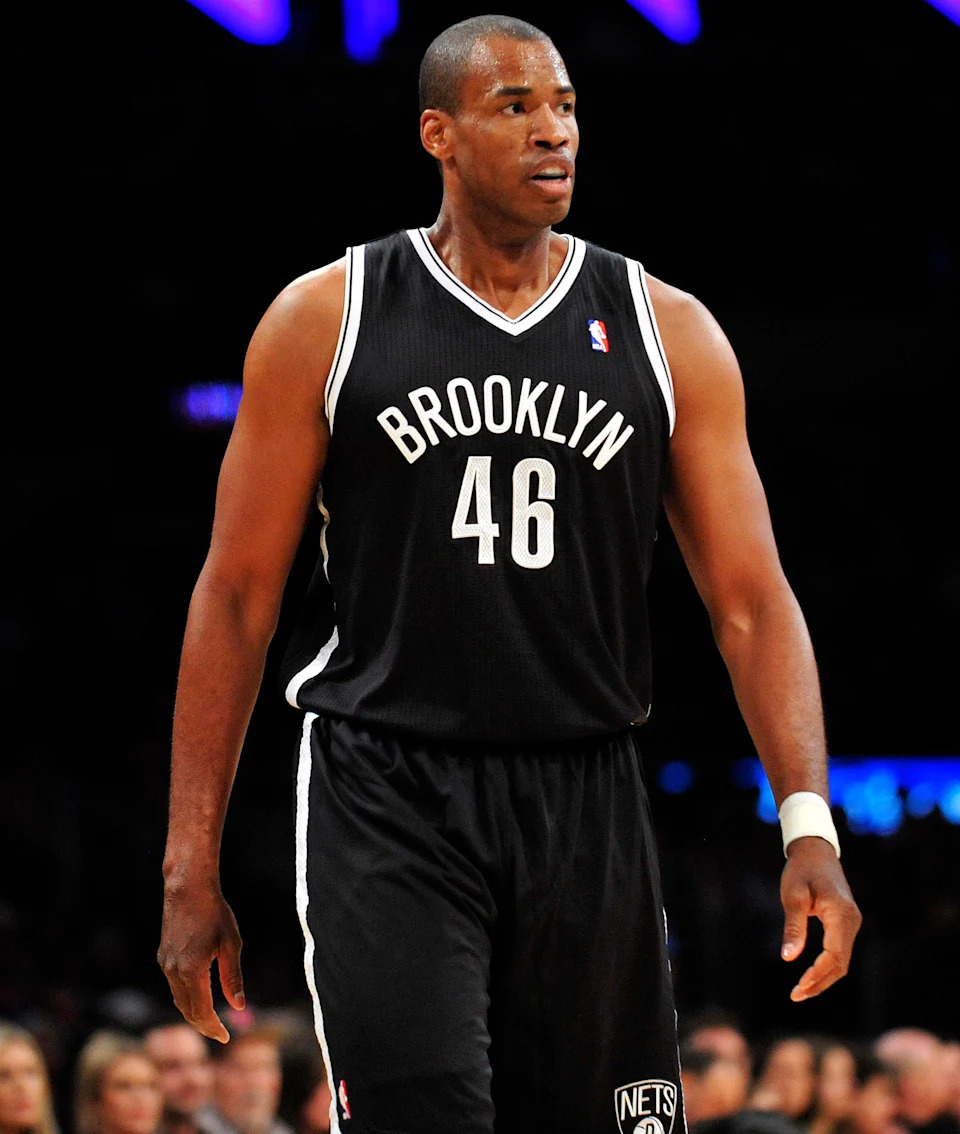
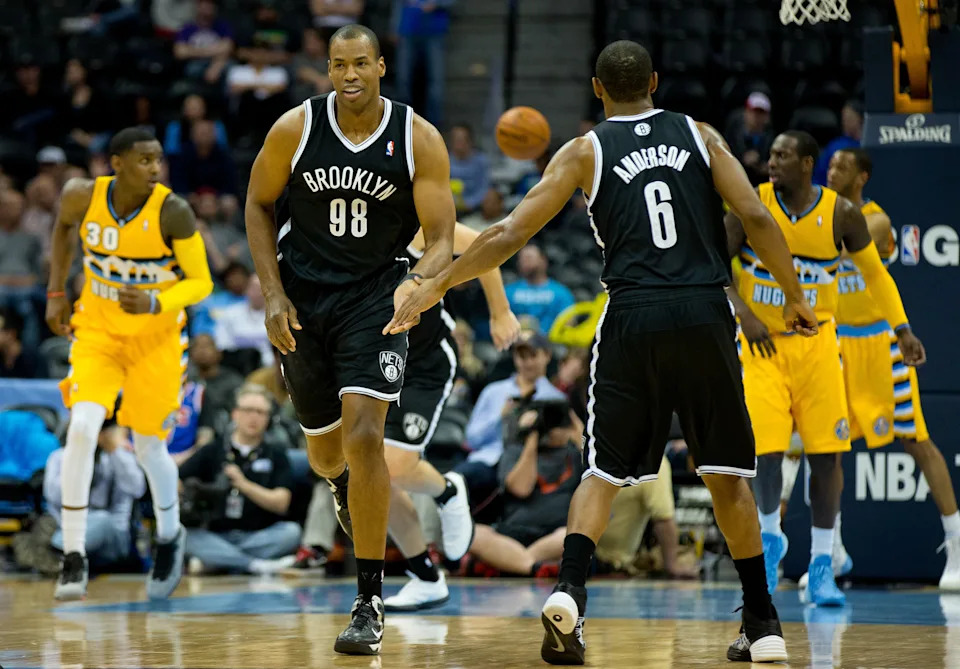
Brooklyn Nets center Jason Collins during game action against the Los Angeles Lakers during the first half at Staples Center.
Martin and Russell describe the community of publicly out male professional athletes as a small, tight-knit fraternity. Collins acted as the connective tissue.
Advertisement
Right before Russell came out, he reached out to Collins to ask about his experience coming out as a professional athlete and a Black man. Watching Collins navigate the publicity with such ease and grace inspired Russell, who was playing college football at Purdue when Collins came out.
“Having that friendship, because that’s what it became, was just so vital in my decision to live my life truly and authentically,” Russell said, “but also in trying to shape sports culture for the better and for all of us, which is something that he dedicated his life to.”
In 2020, Martin’s San Diego Loyal FC team walked off the field and forfeited a game in protest after an opposing player called Martin a homophobic slur. After the incident, Collins reached out to Martin online to make sure he was OK.
“That just speaks to the person that Jason was, always lifting others up and considering how other people are doing in moments of pain like the one I was in,” Martin said. “He made a huge effort in connecting people, having conversations, supporting athletes at different times in their careers. I can’t commend him enough for how he took the time to reach out and think beyond himself.”
Advertisement
Jason Collins’ in-career announcement showed a path for others to follow
Former professional athletes who came out publicly after they retired include Los Angeles Dodgers outfielder Billy Bean and NFL player Wade Davis. Los Angeles Galaxy player Robbie Rogers came out after he retired but then returned to play for the Galaxy a few months later. The fact that Collins announced his sexuality during his playing career was an important distinction, Gordon said.
In April 2014, Gordon became the first openly gay Division I men’s college basketball player when he came out following his sophomore season at UMass. Two months earlier, Gordon had watched a video of Collins checking into a game for the Brooklyn Nets – Collins’ first game since he publicly came out.
“When he checked into the game for the Brooklyn Nets, everybody in the arena stood up and started clapping,” Gordon said. “And when I saw that, I was like, ‘I want that to be me.’”
Advertisement
Gordon and Collins met later through the You Can Play Project, which promotes LGBTQ inclusion in sports. At the time, Gordon had not come out yet but he confided in Collins that he was being verbally harassed by teammates who had found out he was gay.
“It got to a point it was either I quit basketball or I come out publicly, and Jason was just very adamant on, ‘Don’t let them win,’” Gordon said. “Jason was one of the main reasons why I decided to come out. … If I could do it all over again, I would, because just knowing that I don’t have to hide is amazing.”
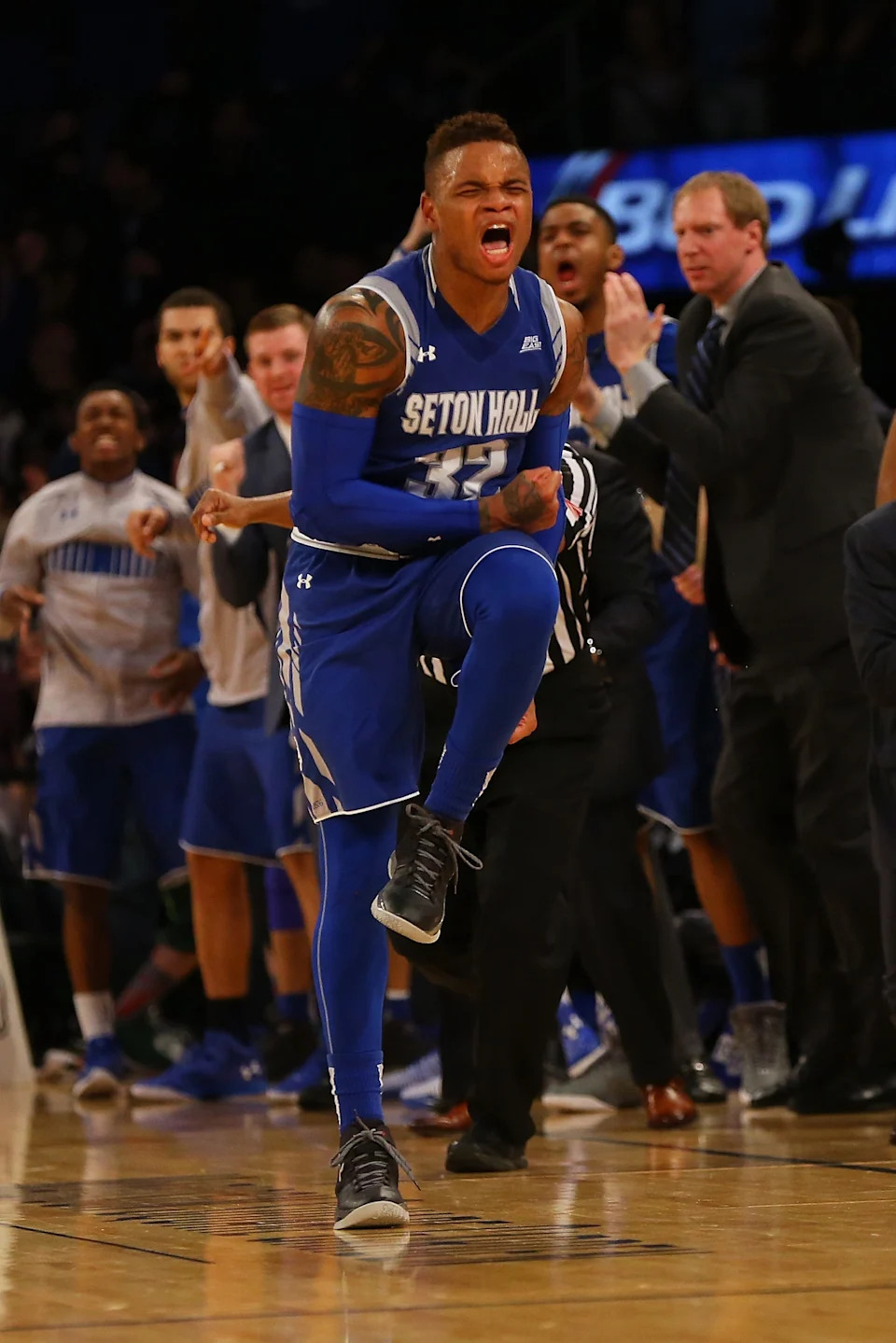
Derrick Gordon, No. 32 of the Seton Hall Pirates, celebrates after hitting a basket against the Villanova Wildcats during the Big East Basketball Tournament Championship at Madison Square Garden on March 12, 2016 in New York City.
Amaechi, who is British, played professional basketball for eight seasons, including five seasons in the NBA with the Cleveland Cavaliers, Orlando Magic and Utah Jazz. He recalled the cognitive dissonance of knowing that his teammates loved him as a teammate while hearing them say awful things about gay people.
Advertisement
Six years passed between when Amaechi publicly came out and when Collins did. But Collins still faced backlash.
“I think it’s a mistake to imagine that Jason walked into an easier time,” Amaechi said. “He had threats from people. He had people who wished to do him harm just for speaking up and being a dignified spokesperson.”
‘That’s my big brother.’ Jason Collins ‘a lesson in authenticity’
Beyond breaking barriers, Collins was known for being a gentle giant whose beaming smile lit up every room he walked into. At 7 feet tall, he cut an imposing figure, but he could make anyone feel welcome and special.
Advertisement
“That’s my big brother, someone who I could literally call any given day in a week and he’d pick up,” Gordon said. “Yes, he helped me come out, but when you lose your brother it’s much more than sports. He had such an impact on my life in general as a whole.”
“It’s the damnation of being a wonderful human being is that when you die, the people closest to you are more wounded than if you’ve just been OK, average,” Amaechi said. “And he was certainly not that.”
Those who have walked the same path as Collins say it is undeniable that he left a legacy of love that will persist for generations.
“He made sport more inclusive, which is no small feat,” Martin said. “He showed that it doesn’t matter what your sexuality is, you can be an important member of a team, of an organization, an important person in a sport.”
Advertisement
In the 13 years since Collins came out, the NBA has not had another openly gay player. It’s a reminder that there is still progress to be made.
That starts with changing toxic language and behavior in men’s sports at the high school and college levels, Russell said, which will increase the chances that gay athletes stay in sports long enough to make it to the pros. Russell said he would love for the NBA, one of the more progressive leagues, to create an initiative in Collins’ name. He also encourages men’s sports leagues to emulate women’s sports leagues, which often are more inclusive.
“Jason Collins is always a lesson in authenticity, in sports and beyond,” Russell said. “And if anything, this shows how fragile life is and how short it is, and we cannot spend our unknown and very precious moments, years, months, weeks, days, not being our true selves. So I definitely see the progress. I definitely want more and I know Jason wants more, and we keep fighting and striving for more.”
This article originally appeared on USA TODAY: Jason Collins death: NBA player inspired gay athletes’ authenticity
Read the full article here